Category: Medications - Page 2
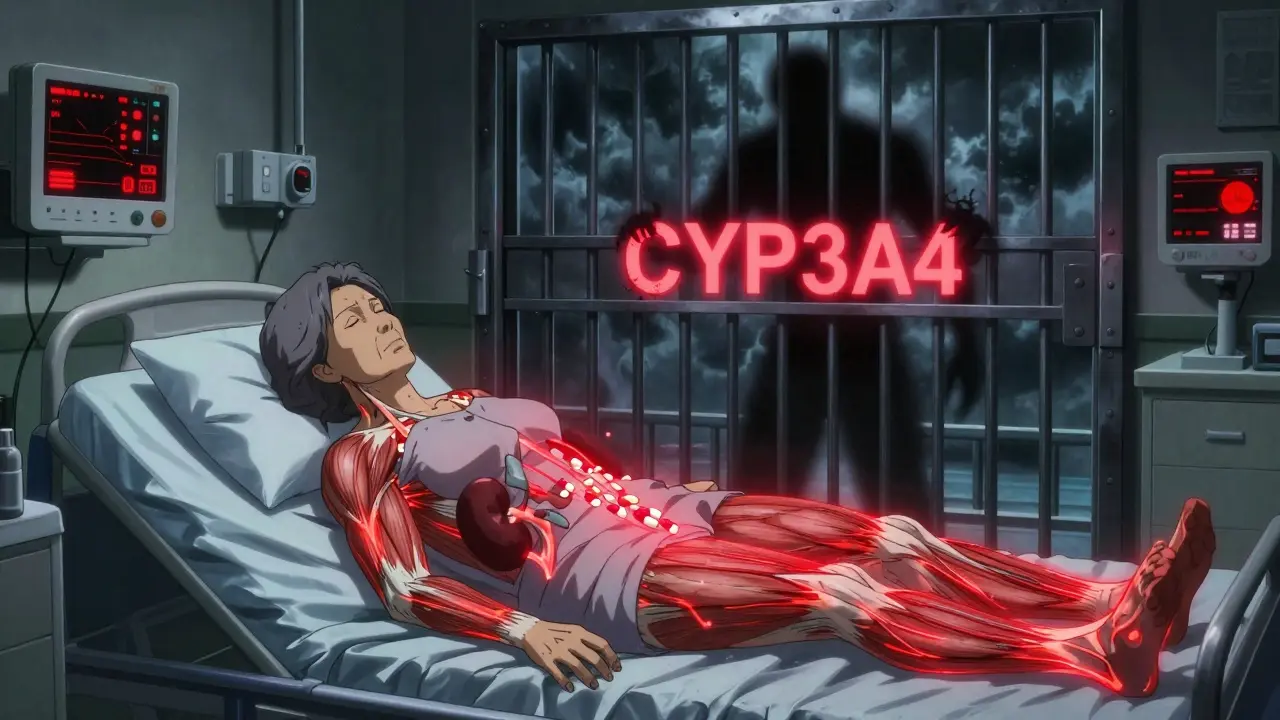
Clarithromycin Drug Interactions: Dangerous Combinations to Avoid
- Date: 21 Jan 2026
- Categories:
- Author: David Griffiths
Clarithromycin can cause deadly interactions with common drugs like colchicine, statins, and heart medications. Learn which combinations to avoid and safer alternatives that could save your life.
SSRI Side Effects: Complete Overview from Mild to Severe
- Date: 20 Jan 2026
- Categories:
- Author: David Griffiths
SSRIs help millions with depression and anxiety, but side effects like sexual dysfunction, weight gain, nausea, and discontinuation syndrome are common. Learn what to expect, how to manage them, and when to seek help.
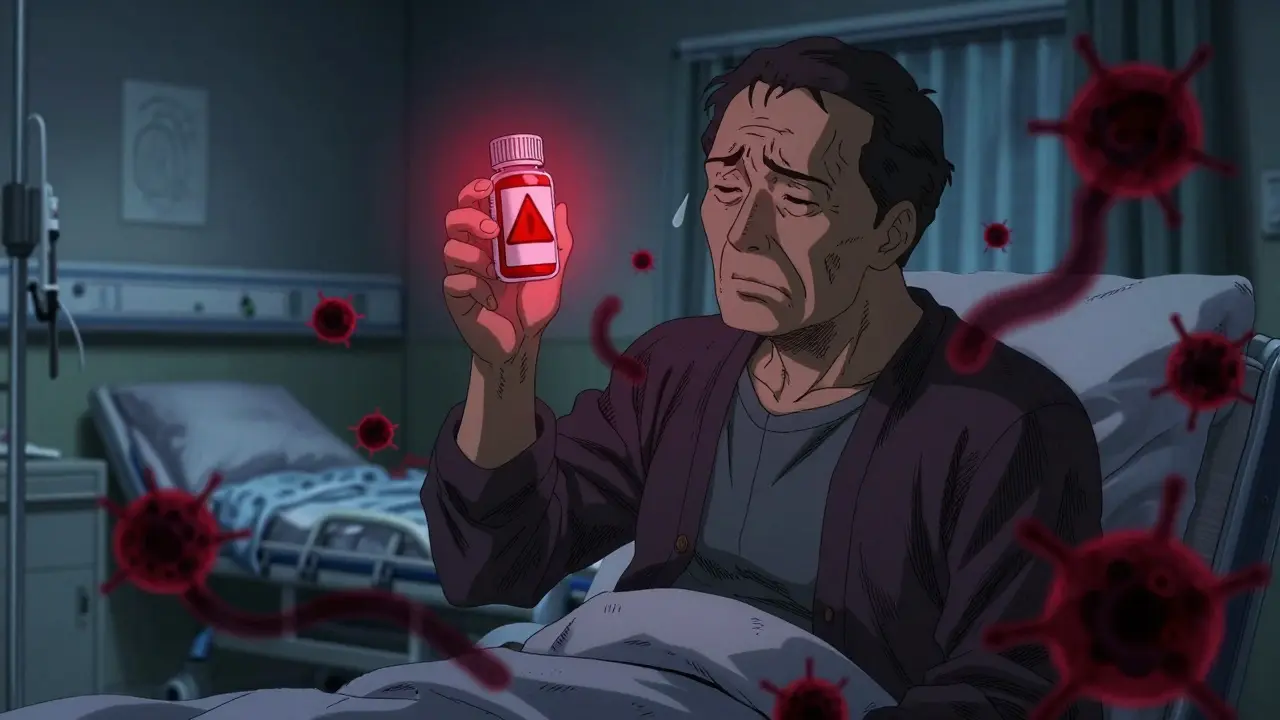
Lithium Interactions: NSAIDs, Diuretics, and Dehydration Risks
- Date: 17 Jan 2026
- Categories:
- Author: David Griffiths
Lithium is effective for bipolar disorder but dangerous when combined with NSAIDs, diuretics, or dehydration. Learn how common medications and everyday habits can trigger toxic lithium levels-and how to stay safe.
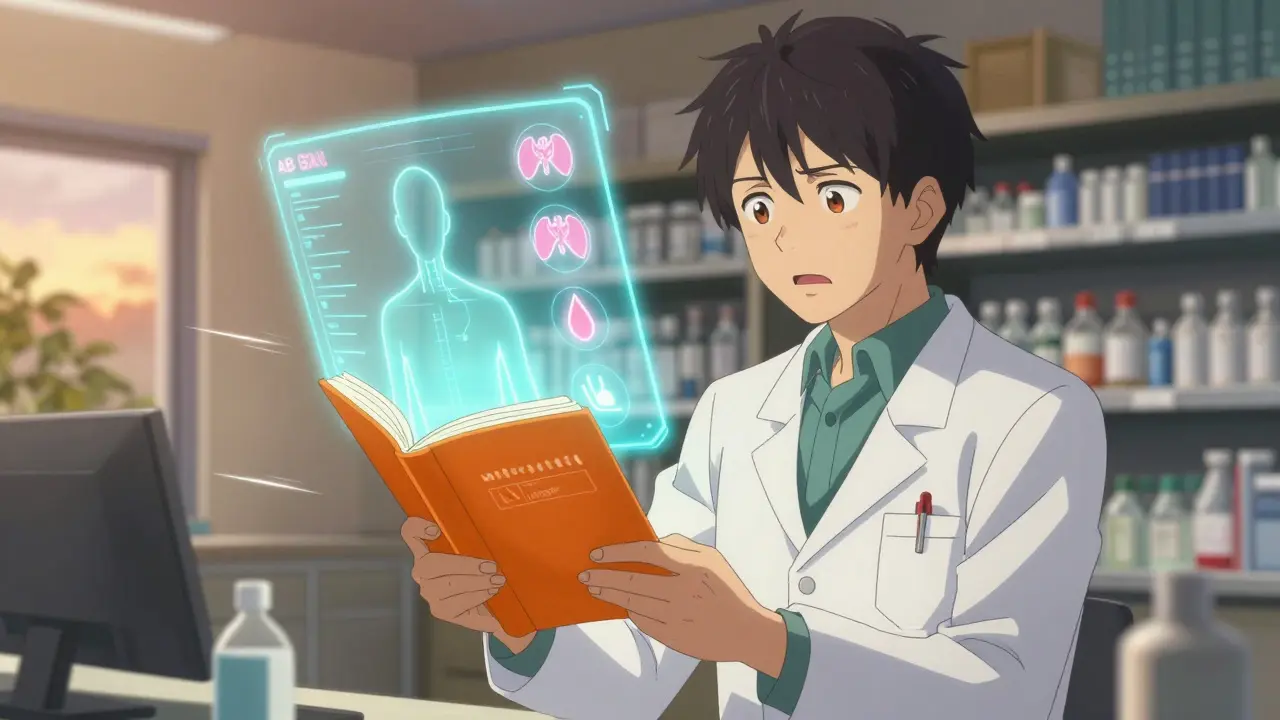
Continuing Education for Pharmacists: Staying Current on Generics
- Date: 15 Jan 2026
- Categories:
- Author: David Griffiths
Pharmacists must stay current on generics to ensure safe substitutions. Learn the latest FDA guidelines, state CE requirements, and practical training methods to avoid dangerous errors in daily practice.
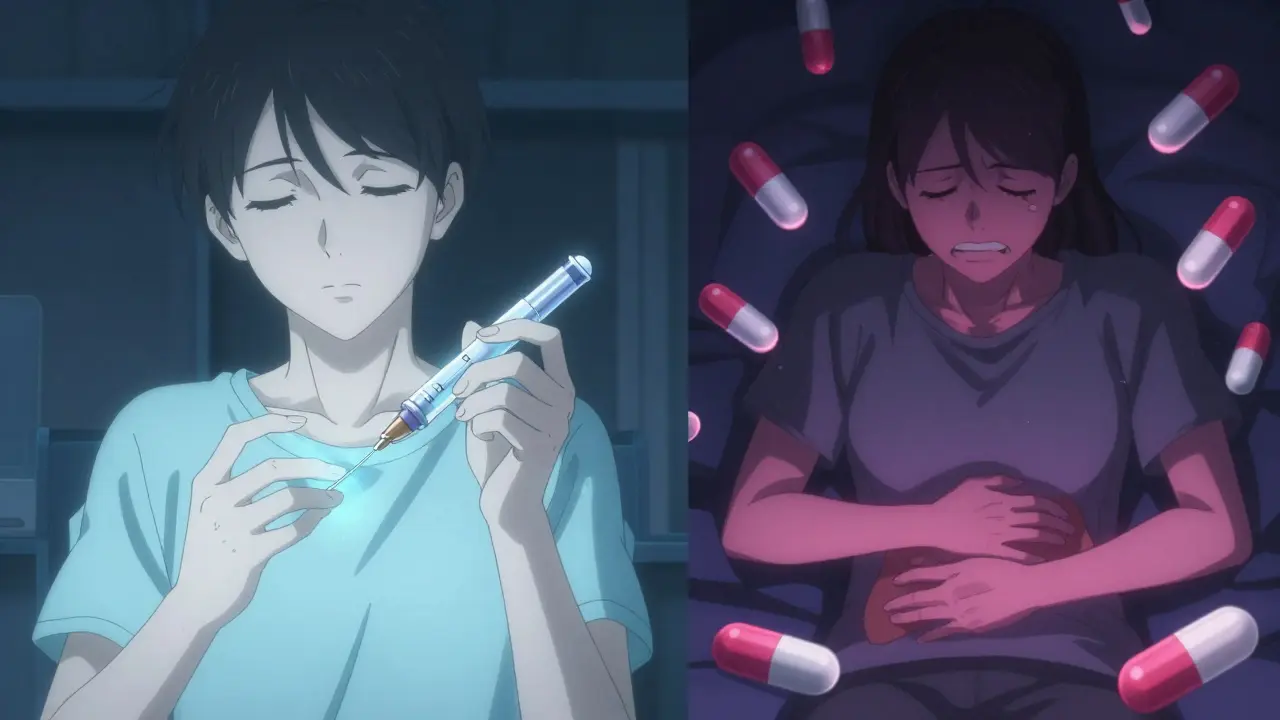
Weight Loss Medications: GLP-1 Agonists vs. Older Drugs
- Date: 13 Jan 2026
- Categories:
- Author: David Griffiths
GLP-1 agonists like Wegovy and Zepbound offer stronger weight loss than older drugs like phentermine or orlistat, but come with higher costs, injections, and side effects. Learn which option fits your needs.
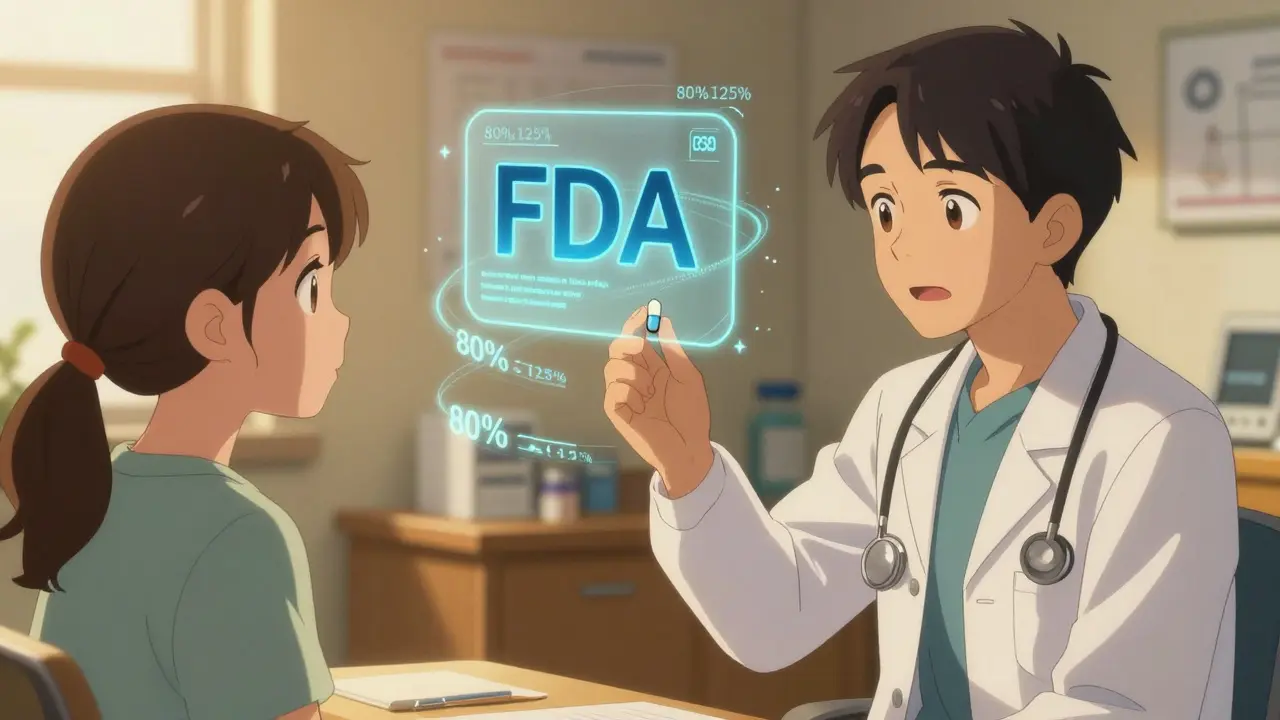
How Clinician Communication Shapes Patient Trust in Generic Medications
- Date: 11 Jan 2026
- Categories:
- Author: David Griffiths
Clinician communication is the most powerful factor influencing whether patients accept generic medications. Clear, confident explanations about FDA standards and bioequivalence can reduce skepticism, improve adherence, and save billions in healthcare costs.

Drug Safety Signals and Clinical Trials: How Hidden Risks Emerge After Approval
- Date: 9 Jan 2026
- Categories:
- Author: David Griffiths
Drug safety signals often emerge only after a medication is approved and used by millions. Learn how clinical trials miss rare risks, how regulators detect hidden dangers, and why real-world data is now the key to protecting patients.
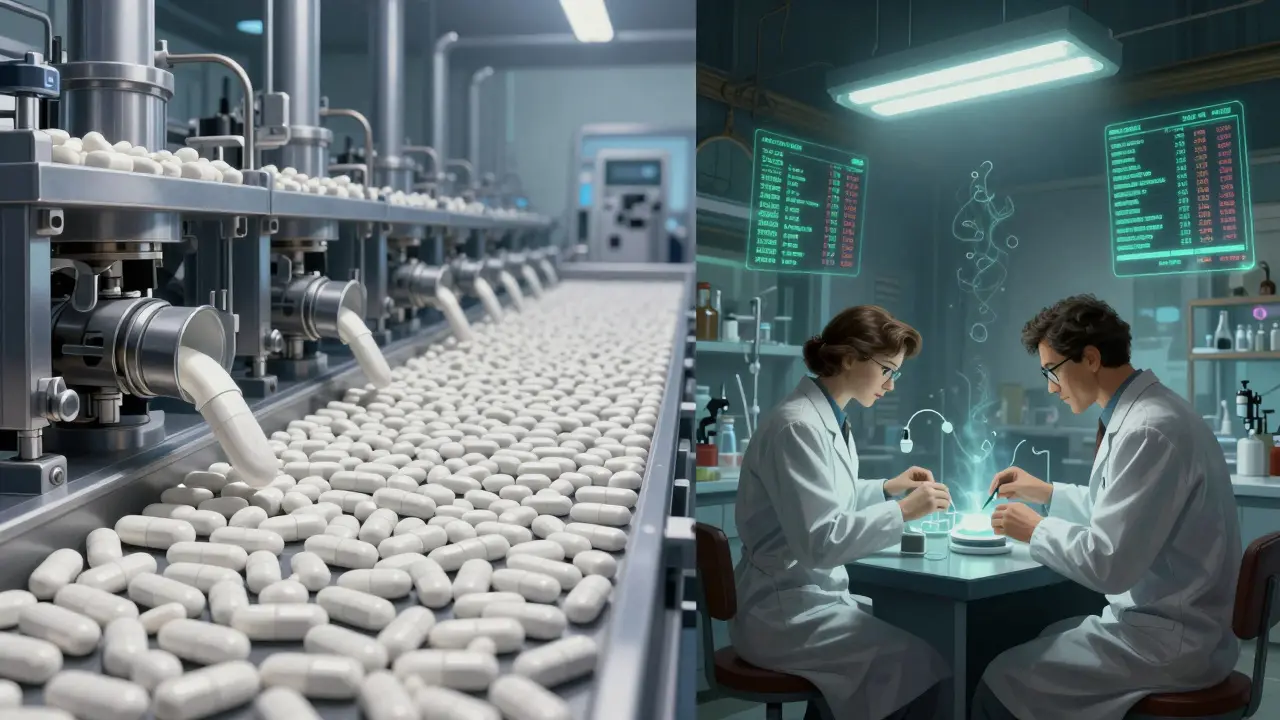
Manufacturing Cost Analysis: Why Generic Drugs Are So Much Cheaper
- Date: 8 Jan 2026
- Categories:
- Author: David Griffiths
Generic drugs cost far less than brand-name versions because they avoid expensive R&D, rely on economies of scale, and operate under intense competition. This is why they make up 90% of U.S. prescriptions but only 16% of drug spending.
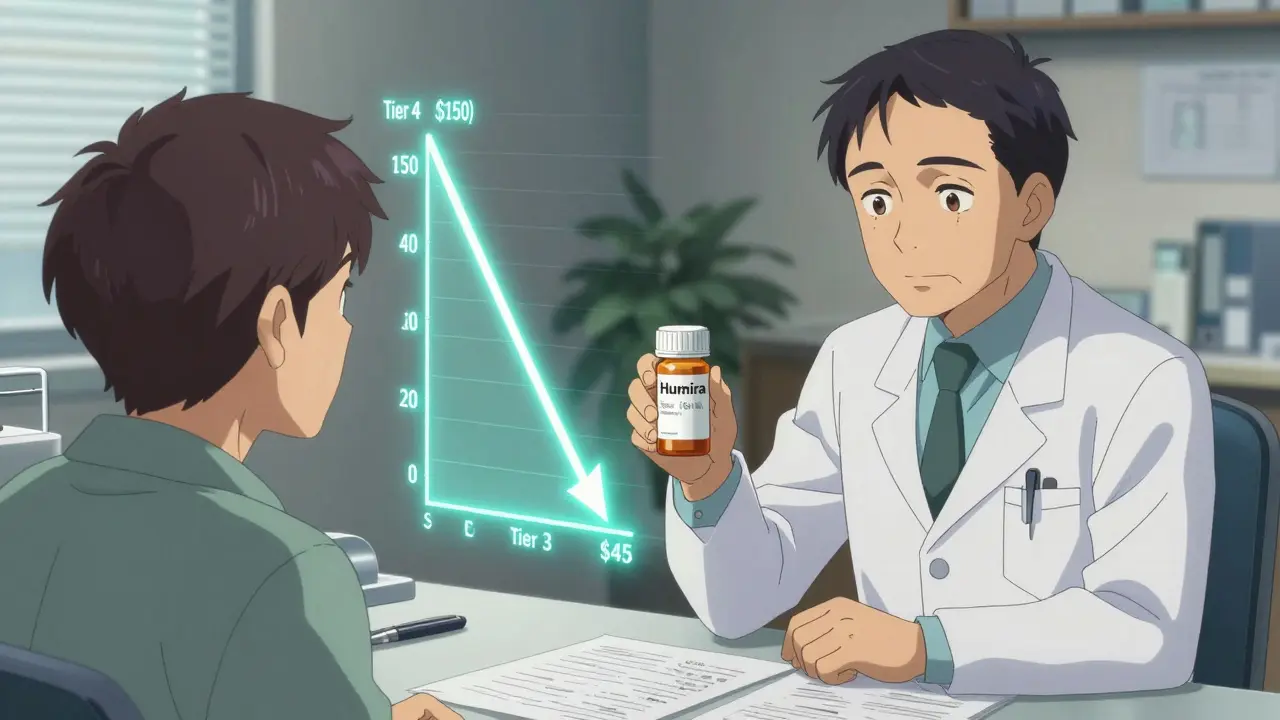
How to Use Tier Exceptions to Lower Your Medication Copays
- Date: 5 Jan 2026
- Categories:
- Author: David Griffiths
Learn how to request a tier exception to lower your medication copays. Move high-cost drugs to lower tiers and save hundreds per year with simple steps and doctor-supported documentation.

Sterile Manufacturing: Special Requirements for Injectable Pharmaceuticals
- Date: 4 Jan 2026
- Categories:
- Author: David Griffiths
Sterile manufacturing for injectables demands extreme controls to prevent life-threatening contamination. Learn the key requirements, processes, and risks behind making safe injections that enter the bloodstream directly.