Patent Cliff: What Happens When Drug Monopolies End and Generic Prices Drop
When a brand-name drug’s patent expires, it hits the patent cliff, the moment a drug loses exclusive market rights and generic versions can legally enter. Also known as patent expiry, it’s not just a legal event—it’s a financial earthquake that drops drug prices by up to 90% overnight. This isn’t theory. In 2023, the FDA approved over 1,000 generic drugs, and Americans saved $445 billion because of it. The patent cliff is why your $300 pill suddenly costs $15.
The Hatch-Waxman Act, the 1984 law that created the modern pathway for generic drugs made this possible. It let generic makers prove their drugs are just as safe and effective as the brand, without repeating expensive clinical trials. That’s why companies like Teva and Mylan can sell the same pill for a fraction of the price. But the system isn’t perfect. Big pharma often uses legal tricks—like filing endless patent lawsuits or paying generics to delay entry—to push back the patent cliff, the moment a drug loses exclusive market rights and generic versions can legally enter. Court cases like Amgen v. Sanofi, a landmark decision that tightened rules on biologic drug patents are changing how long those monopolies last.
What does this mean for you? If you take a drug like Humira, Crestor, or Lipitor, you’ve probably seen the price drop after generics hit. But not all drugs face the cliff at the same time. Some, like newer biologics, have longer protections. Others, like older pills, have been generic for years. The Orange Book, the FDA’s official list of approved drugs and their patent status tells you exactly when a drug’s exclusivity ends. That’s why pharmacists and insurers track it closely—they know when savings will kick in.
Behind every patent cliff is a story: a patient who can finally afford their meds, a pharmacy that sees more prescriptions, a family that stops choosing between pills and groceries. But it’s also a battle—between innovation and access, between profits and people. The posts below show how this plays out in real life: how the FDA tracks safety after generics launch, how courts decide who wins the patent race, and how patients get caught in the middle. You’ll find real data on savings, legal battles that changed drug prices, and how to know when your next prescription might drop in cost. This isn’t just about law or business. It’s about your wallet, your health, and who gets to decide what you pay.
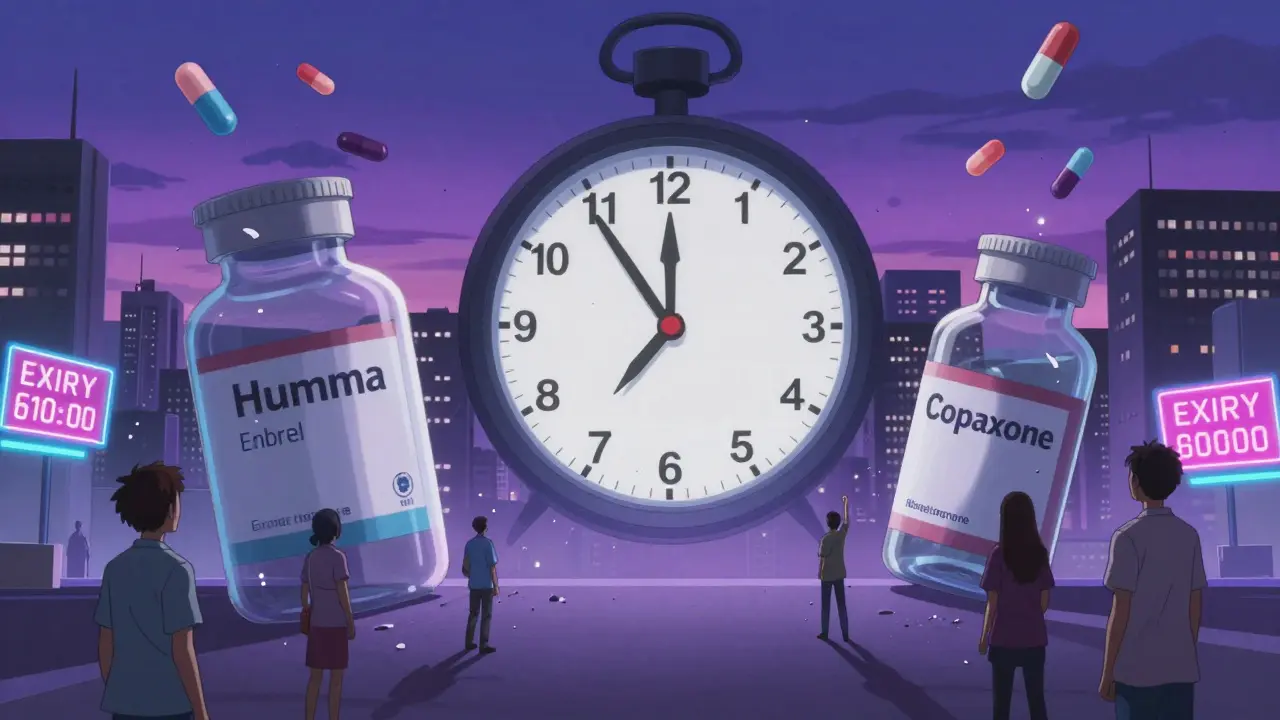
Planning for Patent Expiry: What Patients and Healthcare Systems Need to Do Now
- Date: 29 Dec 2025
- Categories:
- Author: David Griffiths
Patent expiry means big savings for patients and healthcare systems-but only if you plan ahead. Learn how generics, biosimilars, and patent strategies affect drug prices and what you can do now.
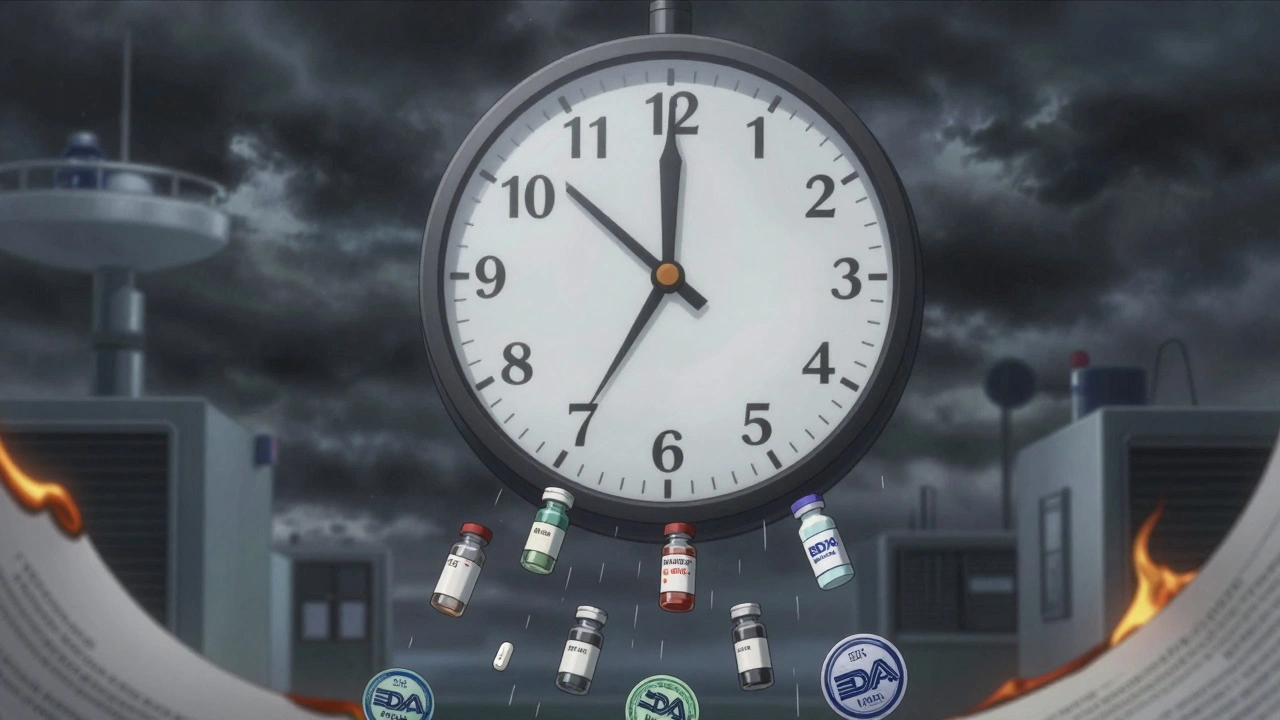
When Do Drug Patents Expire? Understanding the 20-Year Term and Real-World Timeline
- Date: 3 Dec 2025
- Categories:
- Author: David Griffiths
Drug patents don't expire 20 years after approval-they start counting from filing, often years before sale. Learn how patent extensions, exclusivity periods, and legal battles shape when generics actually hit the market.