Hatch-Waxman Act: How Generic Drugs Got Their Start and Why It Matters
When you pick up a generic pill at the pharmacy, you’re benefiting from the Hatch-Waxman Act, a 1984 U.S. law that balanced drug innovation with affordable access by creating a faster path for generic medications to enter the market. Also known as the Drug Price Competition and Patent Term Restoration Act, it’s the reason you can buy the same medicine as a brand-name drug for a fraction of the cost. Before this law, generic manufacturers had to repeat expensive clinical trials just to prove their version worked — even if the original drug’s formula was already proven safe. That made generics too costly to produce, and most people paid full price for brand-name drugs.
The Hatch-Waxman Act, a 1984 U.S. law that balanced drug innovation with affordable access by creating a faster path for generic medications to enter the market. Also known as the Drug Price Competition and Patent Term Restoration Act, it’s the reason you can buy the same medicine as a brand-name drug for a fraction of the cost. Before this law, generic manufacturers had to repeat expensive clinical trials just to prove their version worked — even if the original drug’s formula was already proven safe. That made generics too costly to produce, and most people paid full price for brand-name drugs.
The law gave brand-name companies a limited time — usually 20 years — to profit from their invention. But it also let generic makers file for approval without repeating the full clinical trials. Instead, they just had to prove their version was the same in active ingredient, strength, dosage form, and how it works in the body. This shortcut, called an ANDA, Abbreviated New Drug Application, a streamlined FDA submission process for generic drugs that avoids redundant clinical testing, cut approval time from years to months. It also gave generic companies a 180-day head start if they were the first to challenge a patent, creating real competition.
At the same time, the law gave brand-name drugmakers a way to extend their patent life if they had to wait for FDA approval — something that used to eat up years of their exclusive rights. This trade-off kept innovation alive while opening the door for generics. Today, over 90% of prescriptions in the U.S. are filled with generics, saving patients and the system billions every year.
You’ll see the effects of this law in every post below. From how pharmacists explain generic medications to hesitant patients, to why EHR integration, the digital connection between pharmacies and doctors that improves prescription safety and reduces errors matters more now than ever, the Hatch-Waxman Act set the stage. It’s why you can compare Ventodep ER, a brand-name version of venlafaxine, an antidepressant also available as a generic to its generic twin. It’s why methotrexate, a common autoimmune drug now available as a low-cost generic is accessible to people with diabetes or rheumatoid arthritis. And it’s why you can even find affordable versions of newer drugs like GLP-1 agonists, weight-loss and diabetes drugs like semaglutide that will eventually face generic competition down the line.
The Hatch-Waxman Act didn’t just change how drugs are made — it changed how we think about them. It made medicine more human by putting cost and access on the same table as safety and science. Below, you’ll find real stories and practical guides that show how this law still shapes your health choices every day — whether you’re managing eczema with ceramides, taking isotretinoin for acne, or just trying to avoid a double dose of your pills. This isn’t history. It’s your prescription.
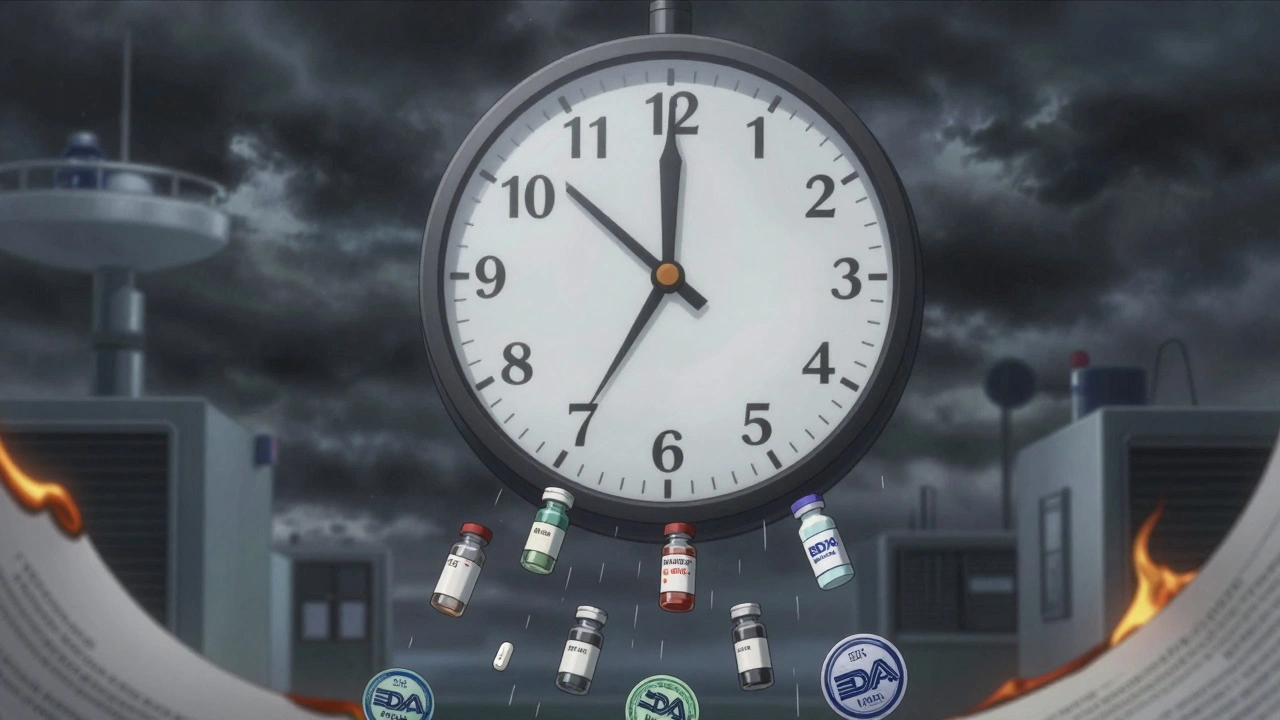
When Do Drug Patents Expire? Understanding the 20-Year Term and Real-World Timeline
- Date: 3 Dec 2025
- Categories:
- Author: David Griffiths
Drug patents don't expire 20 years after approval-they start counting from filing, often years before sale. Learn how patent extensions, exclusivity periods, and legal battles shape when generics actually hit the market.
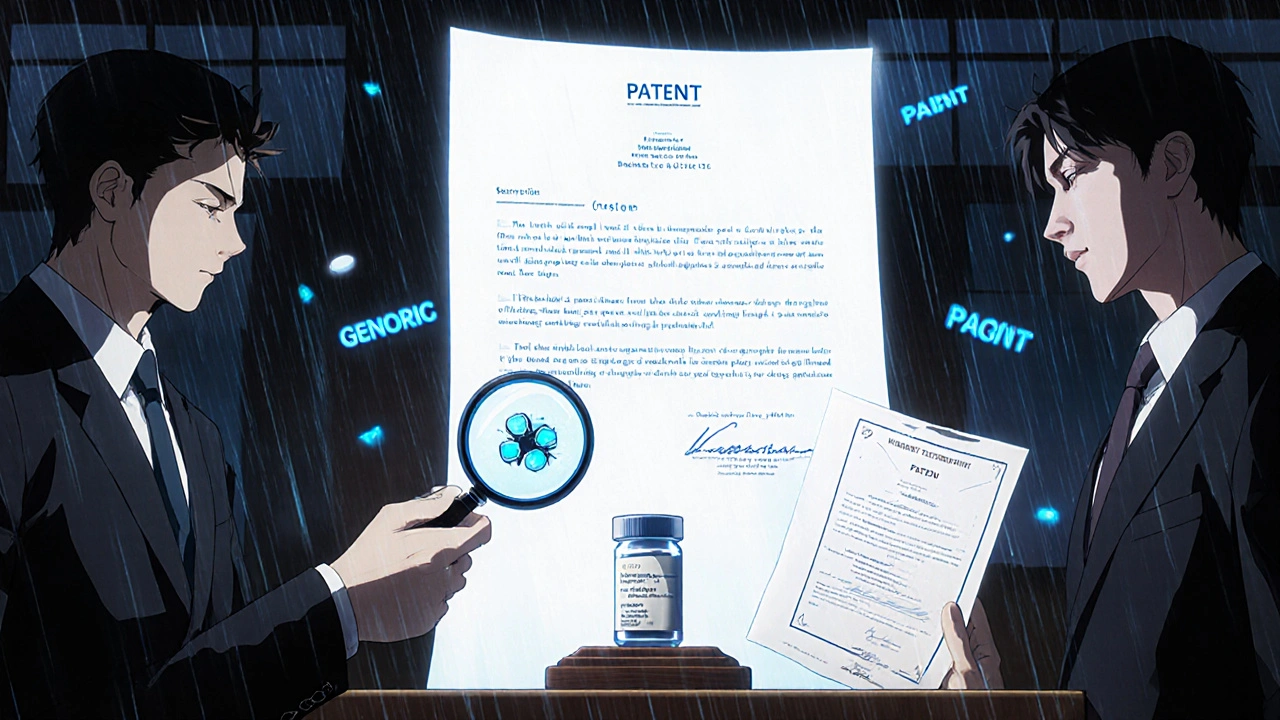
Generic Patent Case Law: Landmark Court Decisions That Shape Drug Prices
- Date: 22 Nov 2025
- Categories:
- Author: David Griffiths
Landmark court decisions like Amgen v. Sanofi and Allergan v. Teva are reshaping how generic drugs enter the market, directly impacting drug prices and patient access. Learn how patent law, the Orange Book, and IPRs determine when generics become available.