Weight Gain Mechanisms: How Your Body Stores Fat and What Really Drives It
When you gain weight, it’s not just about eating too much—it’s about how your body weight gain mechanisms, the biological processes that cause fat to accumulate in the body. Also known as fat storage pathways, these systems involve hormones, metabolism, and how your brain talks to your stomach. Most people think weight gain is simple: calories in, calories out. But that’s like saying a car moves because gas is poured in—it ignores the engine, the transmission, and whether the fuel is even being used right.
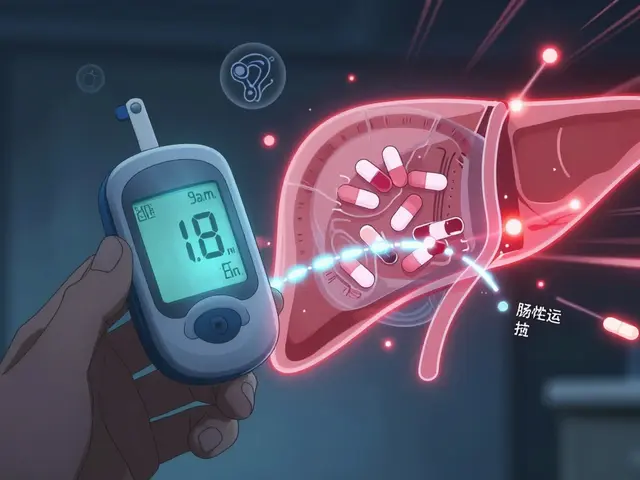
One of the biggest players is insulin resistance, a condition where cells stop responding properly to insulin, causing blood sugar to rise and fat to be stored instead of burned. This isn’t just for diabetics—it happens in people with prediabetes, polycystic ovary syndrome, or even those on certain medications like antipsychotics or steroids. Then there’s appetite regulation, how your brain decides when you’re full or hungry, often hijacked by stress, sleep loss, or processed foods. Leptin and ghrelin don’t work like switches—they’re more like dimmer knobs that get stuck. And your metabolic rate, how many calories your body burns at rest. isn’t fixed. It drops when you lose weight, which is why so many people regain what they lost.
Some drugs—like those used for depression, bipolar disorder, or even diabetes—directly change how your body handles fat. Others, like corticosteroids, make your liver dump glucose and your fat cells swell up. Even something as simple as not sleeping enough can raise cortisol, which tells your body to store belly fat. And it’s not just about what you eat—it’s when you eat, how stressed you are, and how much you move (or don’t move) during the day.
You won’t find one magic fix because weight gain isn’t one problem. It’s a chain reaction: poor sleep leads to cravings, which spike insulin, which stores fat, which lowers metabolism, which makes you feel more tired, which leads to less movement, which makes the cycle worse. The posts here cut through the noise. You’ll see how medications like GLP-1 agonists actually reverse some of these mechanisms, how patient assistance programs help people afford treatments that target the root causes, and how conditions like celiac disease or thyroid issues can quietly drive weight changes you didn’t expect. This isn’t about willpower. It’s about biology. And understanding it is the first step to fixing it.
Obesity Pathophysiology: How Appetite and Metabolism Go Wrong
- Date: 5 Dec 2025
- Categories:
- Author: David Griffiths
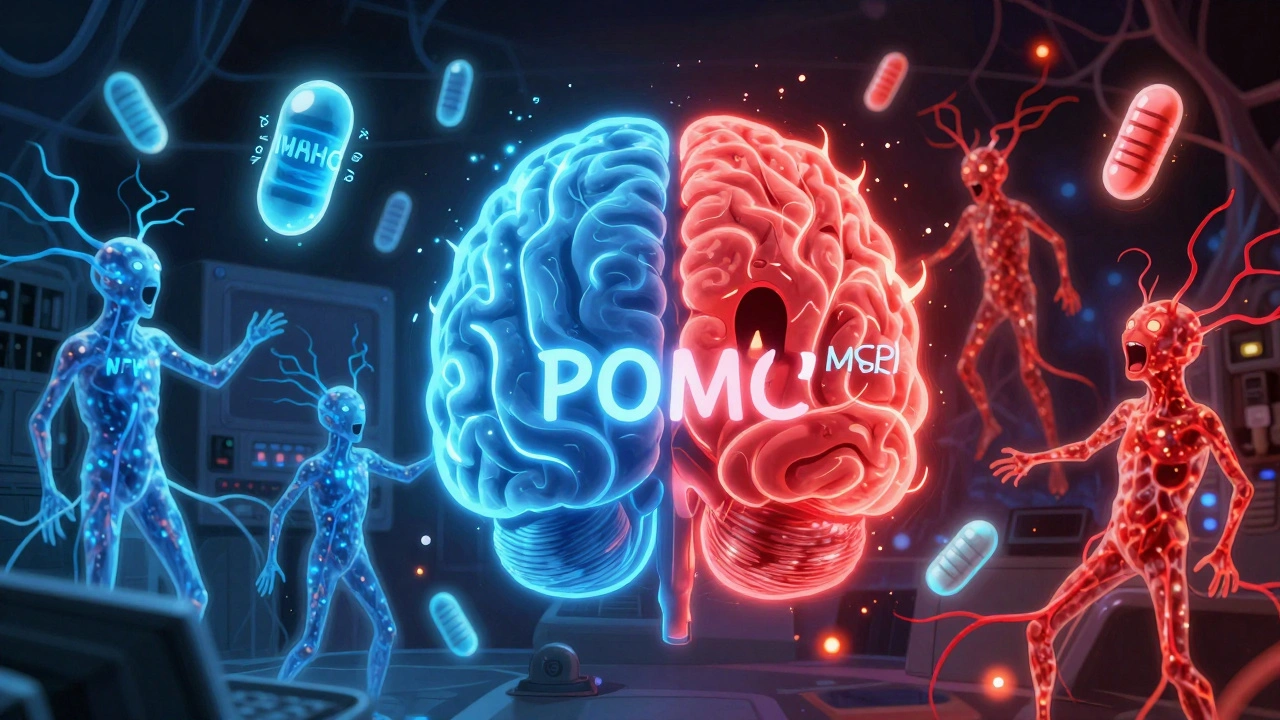
Obesity isn't just about eating too much-it's a broken system of appetite control and metabolism. Learn how hormones like leptin and ghrelin fail, why diets often backfire, and what new treatments are targeting the real causes.