Plaque Buildup: What It Is, Why It Matters, and How to Fight It
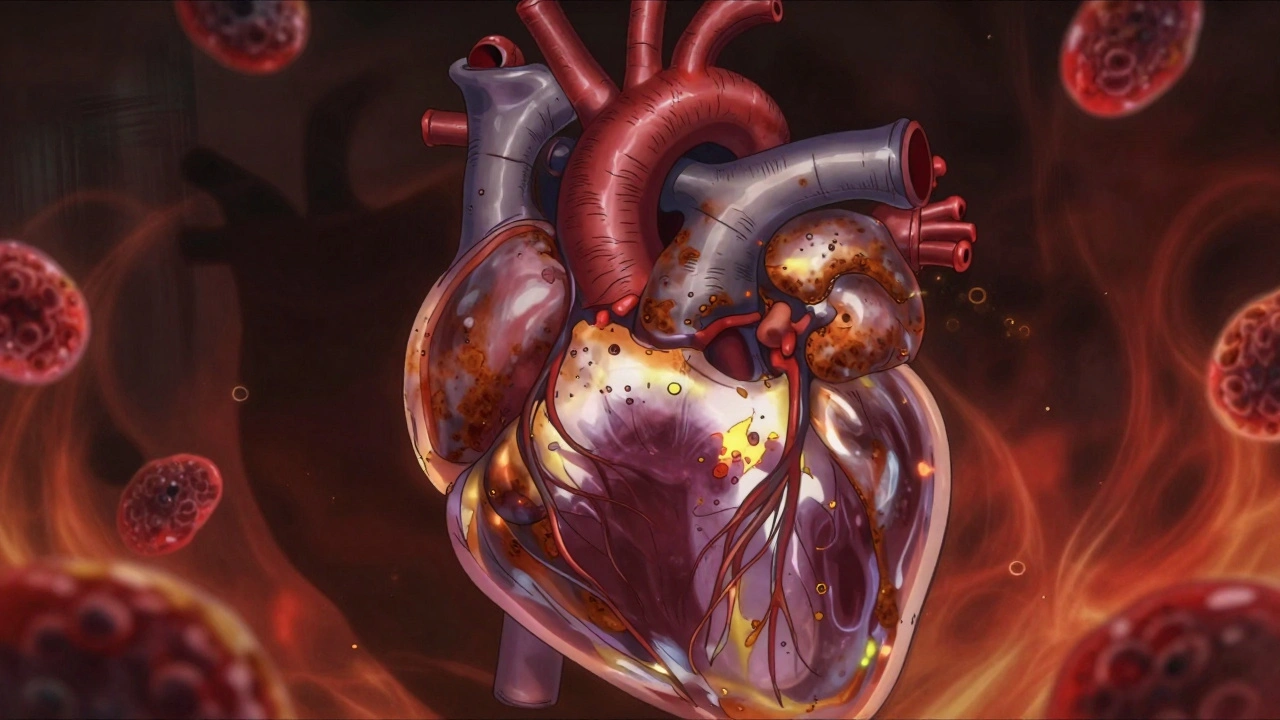
When we talk about plaque buildup, a sticky mix of fat, cholesterol, calcium, and other substances that forms inside artery walls. Also known as atherosclerosis, it's the hidden driver behind most heart attacks and strokes. This isn't just "clogged pipes"—it's an active inflammatory process where your body tries to heal damage but ends up making things worse over time.
Plaque buildup doesn't happen overnight. It starts with damage to the inner lining of your arteries, often from high blood pressure, smoking, or too much sugar and bad cholesterol. Once that lining is injured, LDL cholesterol slips in and gets trapped. White blood cells rush in to clean it up, but they get stuck, turning into foam cells that swell the wall. Over years, calcium builds up, hardening the plaque. This narrows the artery, making it harder for blood to flow. If the plaque cracks, a clot can form and block the artery completely—that’s when a heart attack or stroke happens.
What makes plaque buildup dangerous is how quiet it is. You can have serious buildup and feel fine. That’s why checking your blood pressure, cholesterol, and blood sugar matters—not because you feel bad, but because you might not feel anything at all. The good news? Plaque doesn’t just grow—it can stabilize, and sometimes shrink. Lifestyle changes like eating more vegetables, walking daily, and quitting smoking don’t just lower risk—they change the biology of the plaque itself. Medications like statins don’t just lower cholesterol; they reduce inflammation and help the body reabsorb some of the buildup.
Plaque buildup isn’t just about your heart. It shows up in your neck (carotid arteries), legs (peripheral artery disease), and even kidneys. That’s why managing it isn’t a single fix—it’s about your whole system. Blood sugar control helps. Stress management helps. Even gum disease links to arterial inflammation. It’s all connected.
Below, you’ll find real, practical guides on how medications, diet, and monitoring tools actually affect plaque. Some posts break down how statins work. Others explain why a low-carb diet might help more than a low-fat one. You’ll see how doctors track plaque progression with imaging, and how patient assistance programs make these treatments affordable. This isn’t theory—it’s what works for people right now.
Coronary Artery Disease: Understanding Atherosclerosis, Risk Factors, and Modern Treatments
- Date: 4 Dec 2025
- Categories:
- Author: David Griffiths
Coronary artery disease, caused by atherosclerosis, is the leading cause of death globally. Learn how plaque builds up, who’s at risk, and what treatments actually work-from lifestyle changes to stents and bypass surgery.