Patent Term Extension: How Drug Companies Extend Exclusivity and What It Means for You
When a new drug hits the market, its maker gets a patent term extension, a legal adjustment that adds time to a drug’s patent after FDA approval to make up for time lost during regulatory review. Also known as drug exclusivity extension, it’s designed to balance innovation incentives with public access — but it often delays cheaper generics by years. This isn’t just paperwork. It directly impacts how long you pay full price for a brand-name drug before a generic version becomes available.
Most patent term extensions happen under the Hatch-Waxman Act, a 1984 law that created a framework for generic drug approval while protecting original drug patents. The FDA can grant up to five extra years of patent life, but the total market exclusivity can’t go beyond 14 years from the drug’s original approval. That sounds fair — until you realize a drug company might spend seven years in clinical trials and FDA review before even selling the product. The clock starts ticking the day they file, not when they get approval. So if it takes six years to get through the system, the patent might only have nine years left to make back its R&D costs. The extension fixes that — but only for the company, not the patient.
It’s not just about time. The FDA patent rules, including the Orange Book listing of patents tied to a drug, determine exactly which patents qualify. Not every patent gets extended — only those covering the drug substance, formulation, or method of use directly approved by the FDA. Companies sometimes list dozens of patents, hoping one sticks. That’s why you see lawsuits like Amgen v. Sanofi — they’re battles over which patents are real and which are just legal padding.
Every patent term extension pushes back the day generics can enter. And when generics arrive, prices often drop by 80 to 90%. That’s why this rule matters so much. If your medication had a patent extension, you’re paying more for longer. If it didn’t, you might have gotten a generic years ago. It’s not random. It’s calculated. And it’s written into law.
You’ll find posts here that dig into how these extensions play out in court, how they affect drug pricing, and how generic manufacturers fight back with Paragraph IV challenges. You’ll also see how this ties into real-world savings, patient access, and the legal gray zones drugmakers sometimes use to delay competition. This isn’t theory. It’s the hidden engine behind the cost of your prescriptions.
When Do Drug Patents Expire? Understanding the 20-Year Term and Real-World Timeline
- Date: 3 Dec 2025
- Categories:
- Author: David Griffiths
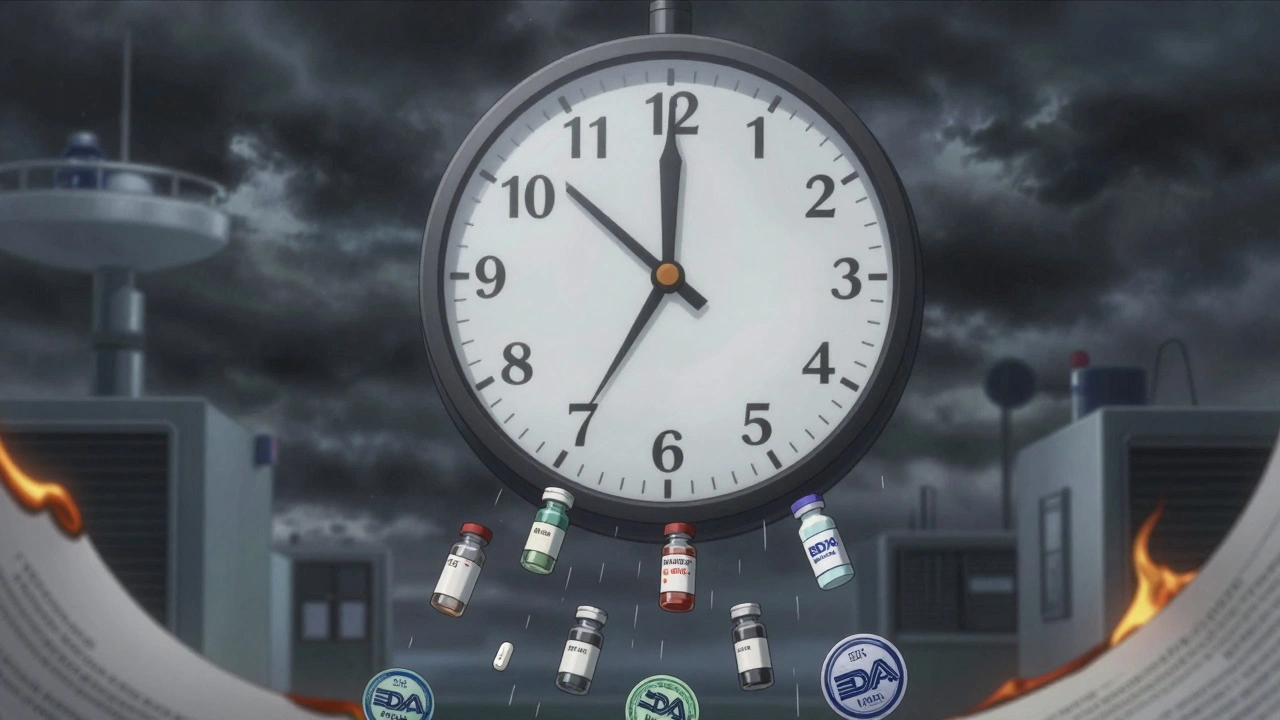
Drug patents don't expire 20 years after approval-they start counting from filing, often years before sale. Learn how patent extensions, exclusivity periods, and legal battles shape when generics actually hit the market.