Paragraph IV: What It Means for Generic Drugs and Drug Access
When a drug company files for a new patent, it gets exclusive rights to sell that medicine for a set time. But Paragraph IV, a provision in the Hatch-Waxman Act that lets generic drug makers challenge brand-name patents before they expire. Also known as Paragraph IV certification, it’s the legal tool that lets cheaper versions of medicines hit the market faster—often saving patients thousands per year. Without it, many life-changing drugs would stay too expensive for too long.
Here’s how it works: A generic manufacturer submits an application to the FDA saying their version is just as safe and effective as the brand-name drug. Then, under Paragraph IV, they declare that the original patent is invalid, unenforceable, or won’t be infringed. That triggers a 45-day window for the brand-name company to sue. If they do, the FDA can’t approve the generic for up to 30 months—unless the court rules in favor of the generic maker. This system creates real competition. It’s not just about price—it’s about timing. One successful Paragraph IV filing can open the floodgates for multiple generics, dropping prices by 80% or more within months.
This isn’t theoretical. Drugs like Lipitor, Plavix, and Singulair all saw massive price drops after Paragraph IV challenges succeeded. The same mechanism is now being used for newer biologics and specialty meds. You’ll find real-world examples in posts about generic substitution, medication costs, and how patients navigate drug access. It’s why some people can afford their insulin now, or why a 30-day supply of a brand-name antibiotic might cost $5 instead of $300.
But it’s not just about patents. Paragraph IV ties into how pharmacies communicate with doctors, why some patients hesitate to take generics, and how insurance plans push for lower-cost options. It connects to posts about medication safety, patient education, and even mental health treatment access—because if a drug is too expensive, people skip doses or go without. The system isn’t perfect. Lawsuits delay access. Some companies game the system with "evergreening"—making tiny changes to extend patents. But overall, Paragraph IV remains one of the most powerful tools for keeping medicine affordable in the U.S.
Below, you’ll find real patient stories, clinical comparisons, and breakdowns of how generic drugs enter the market. Whether you’re managing multiple prescriptions, fighting insurance denials, or just trying to understand why your pill looks different this month, these posts give you the facts without the jargon. This is the hidden engine behind your medicine cabinet—and it’s working harder than you think.
Generic Patent Case Law: Landmark Court Decisions That Shape Drug Prices
- Date: 22 Nov 2025
- Categories:
- Author: David Griffiths
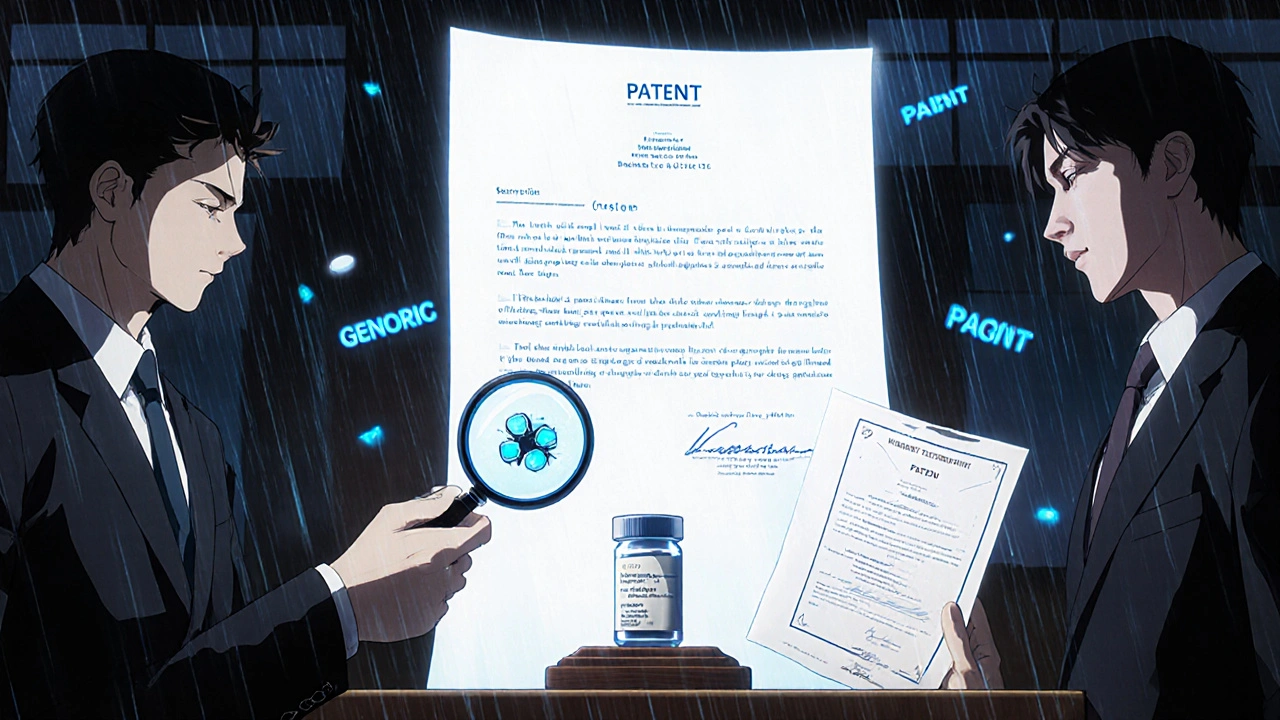
Landmark court decisions like Amgen v. Sanofi and Allergan v. Teva are reshaping how generic drugs enter the market, directly impacting drug prices and patient access. Learn how patent law, the Orange Book, and IPRs determine when generics become available.