Obesity Pathophysiology: How Fat Changes Your Body and Why It Matters
When we talk about obesity pathophysiology, the biological processes that turn excess body fat into a disease. It's not just about eating too much or moving too little—it's about how fat tissue becomes active, harmful, and deeply disruptive to your metabolism. This isn't just weight gain. It's a systemic shift in how your body works—from hormones to immune responses to organ function.
At the heart of it is adipose tissue, fat cells that stop being passive storage and start acting like faulty organs. As they grow too large, they release inflammatory signals, attract immune cells, and start leaking fatty acids into your bloodstream. This triggers insulin resistance, when your muscles and liver stop responding to insulin, forcing your pancreas to pump out more and more. Over time, this burns out your pancreas, raises blood sugar, and sets the stage for type 2 diabetes. It's not a coincidence that obesity and diabetes travel together—they're two sides of the same metabolic coin.
And it doesn't stop there. The same inflammation that messes with insulin also damages blood vessels, raises blood pressure, and contributes to fatty liver disease. Your liver starts storing fat instead of processing it, your kidneys work harder, and your heart gets strained. Even your brain gets affected—fat tissue produces hormones that confuse your hunger signals, making it harder to feel full. This isn't just about willpower. It's biology fighting against itself.
That’s why treating obesity as a simple calorie problem doesn’t work. You can’t out-exercise a broken metabolism. You can’t out-diet chronic inflammation. The real solution starts with understanding the metabolic syndrome, the cluster of conditions—high blood pressure, high blood sugar, abnormal cholesterol, and excess belly fat—that often occur together and raise your risk of heart disease and stroke. When you see obesity as part of this bigger picture, you start to understand why some people lose weight but still stay sick—and why others gain weight even when they eat well.
The posts below dive into exactly this: how fat tissue drives disease, how medications like GLP-1 agonists target these pathways, and why some treatments work better than others—not because they’re stronger, but because they fix the root biology. You’ll find real explanations on how weight loss drugs change your hormones, how inflammation links obesity to heart disease, and why simply cutting calories often fails. This isn’t about quick fixes. It’s about understanding the science behind why your body behaves the way it does—and what actually works to turn it around.
Obesity Pathophysiology: How Appetite and Metabolism Go Wrong
- Date: 5 Dec 2025
- Categories:
- Author: David Griffiths
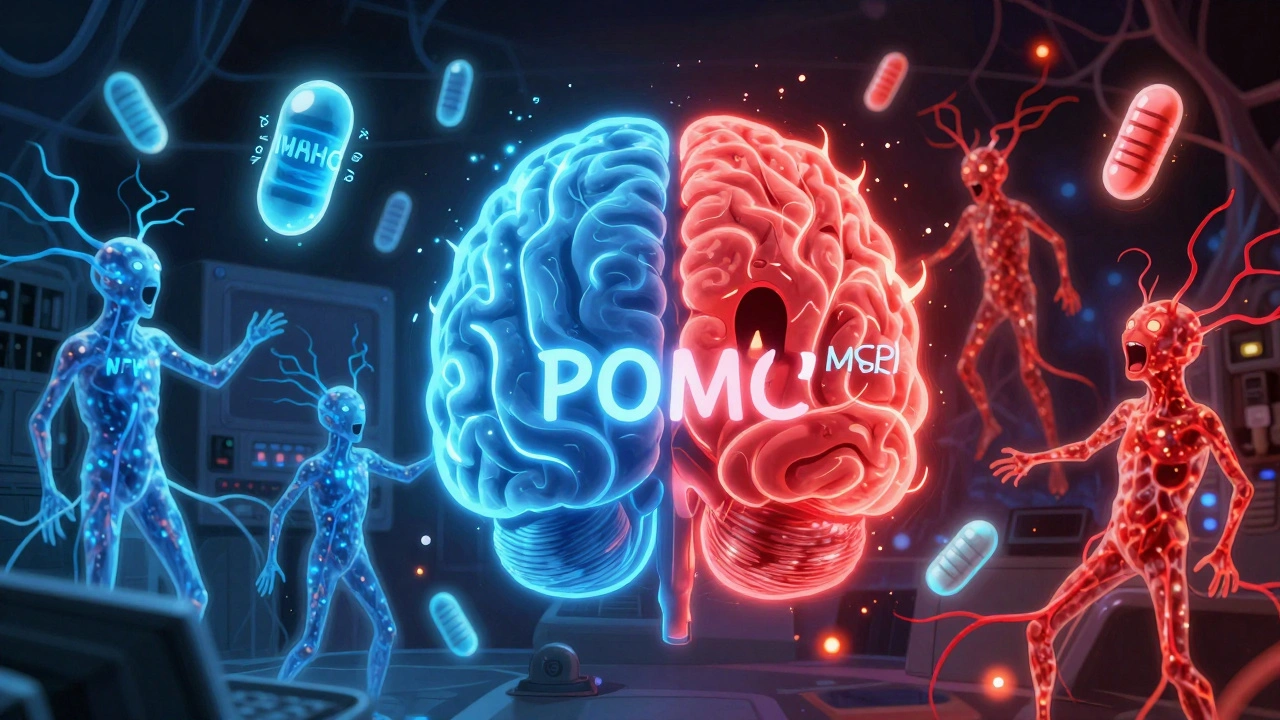
Obesity isn't just about eating too much-it's a broken system of appetite control and metabolism. Learn how hormones like leptin and ghrelin fail, why diets often backfire, and what new treatments are targeting the real causes.