Noise-Induced Hearing Loss: Causes, Prevention, and What You Can Do
When you hear ringing in your ears after a concert or feel muffled after using power tools, that’s not just temporary discomfort—it’s noise-induced hearing loss, permanent damage to the inner ear caused by exposure to loud sounds. Also known as sound-induced hearing loss, it’s one of the most common and preventable forms of hearing damage worldwide. Unlike age-related hearing loss, this isn’t inevitable. It’s the result of repeated or intense exposure to sounds above 85 decibels—like traffic, lawnmowers, headphones at max volume, or factory machinery.
This kind of damage doesn’t always show up right away. It builds up slowly, often over years, which is why so many people don’t realize they’re losing their hearing until it’s too late. The tiny hair cells in your inner ear that turn sound into signals your brain understands don’t regenerate. Once they’re gone, the hearing loss is permanent. Tinnitus, the persistent ringing, buzzing, or hissing in the ears, is a common early warning sign that your ears are being overworked. And if you work in construction, music, aviation, or even fitness classes with booming speakers, you’re at higher risk. Hearing protection, including earplugs and noise-canceling earmuffs designed for specific environments isn’t optional—it’s essential.
Many people think turning down music on headphones is enough, but it’s not just about volume—it’s about duration. Listening to 100 decibels for just 15 minutes a day can cause damage. The same goes for attending loud events regularly without breaks. It’s not just older adults either. Teens and young adults are increasingly affected because of how they use personal audio devices. The good news? You can stop it before it starts. Simple habits like taking quiet breaks, using volume-limiting apps, and choosing over-ear headphones instead of earbuds can make a huge difference.
What you’ll find here are real, practical insights from people who’ve dealt with this—whether they’re workers, musicians, or just someone who noticed their hearing isn’t what it used to be. You’ll see how hearing protection works in real life, what the science says about safe listening levels, and how to spot the early signs before they turn into a permanent problem. No fluff. Just what you need to protect your hearing before it’s too late.
Noise Exposure Limits: Protecting Hearing at Work and Concerts
- Date: 1 Dec 2025
- Categories:
- Author: David Griffiths
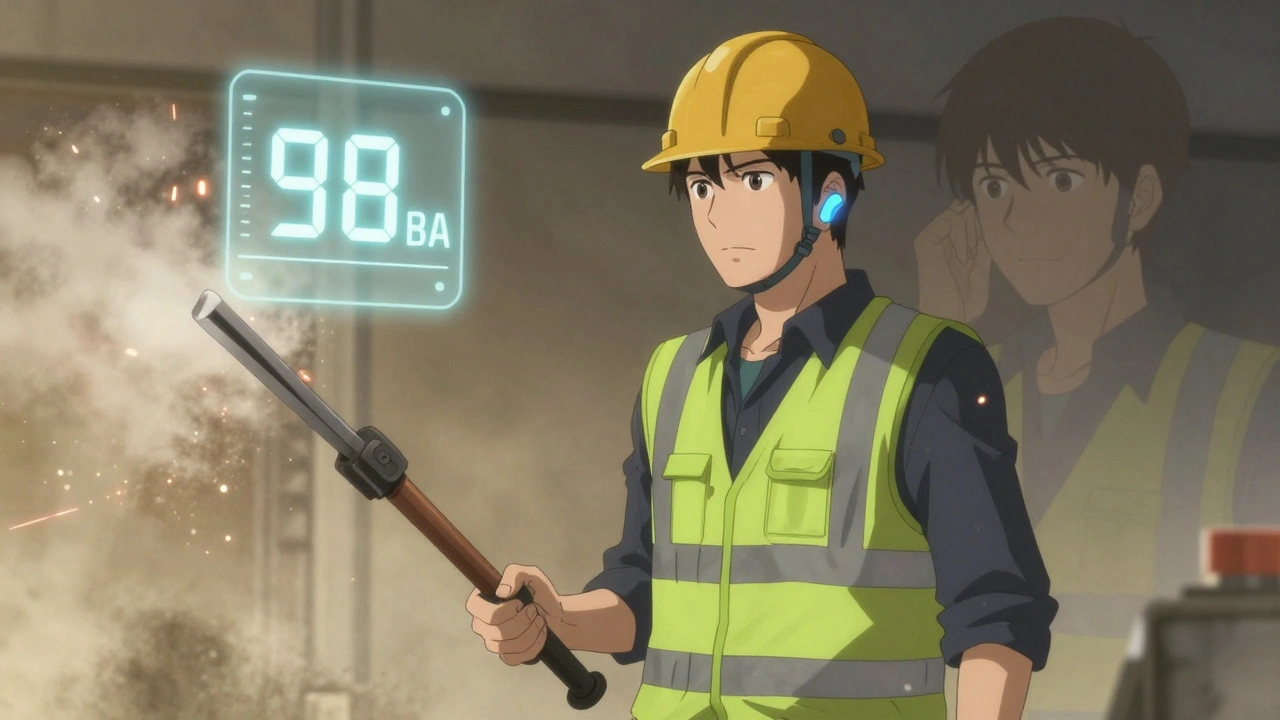
Noise exposure limits are critical for preventing permanent hearing loss at work and concerts. Learn the science behind safe noise levels, how regulations differ, and practical steps to protect your hearing before it's too late.