Medicare LIS: What It Is and How It Helps Low-Income Seniors Get Medication Support
When you’re on Medicare LIS, a federal program that helps people with limited income and resources pay for Medicare prescription drug costs. Also known as the Low-Income Subsidy, it’s designed to make sure that taking your daily meds doesn’t mean choosing between food, rent, or medicine. This isn’t just a discount—it’s a lifeline for thousands of seniors and disabled adults who struggle to afford their prescriptions, especially with drugs like insulin, heart meds, or antidepressants costing hundreds a month.
Medicare LIS works hand-in-hand with Medicare Part D, the prescription drug coverage part of Medicare. Without LIS, you might pay high monthly premiums, steep deductibles, and expensive copays. With LIS, those costs drop dramatically—or disappear. Many people pay $0 for their drugs, and there’s no coverage gap (the infamous "donut hole"). It also protects you from late enrollment penalties if you didn’t sign up when first eligible. You don’t need to be on Medicaid to qualify, but if you are, you’re automatically enrolled. The income limits are tight: for 2024, single people earning under $22,590 and couples under $30,660 can qualify, with higher asset limits too. Even if you think you don’t qualify, it’s worth checking—you might be surprised.
People often miss out because they don’t know how to apply, or they assume they make "too much"—but LIS has special rules for things like household size, medical expenses, and even how much you spend on rent. Some states offer extra help beyond federal LIS, and you can apply through Social Security, your state Medicaid office, or even online. Once approved, it stays active unless your income changes dramatically. And it’s not just about cost—it’s about access. People on LIS can switch plans more freely, get drugs delivered, and avoid being locked out of needed meds because of price.
Below, you’ll find real, practical guides on how medications work, how to manage them safely, and how to avoid common mistakes that cost people money or health. From understanding drug interactions to knowing when generic meds are just as good as brand names, these posts help you take control—not just of your prescriptions, but of your financial and physical well-being. Whether you’re helping a parent, managing your own meds, or just trying to understand how the system works, this collection gives you the facts you need without the jargon.
Extra Help Program for Low-Income Seniors: How to Qualify for Prescription Drug Savings
- Date: 27 Nov 2025
- Categories:
- Author: David Griffiths
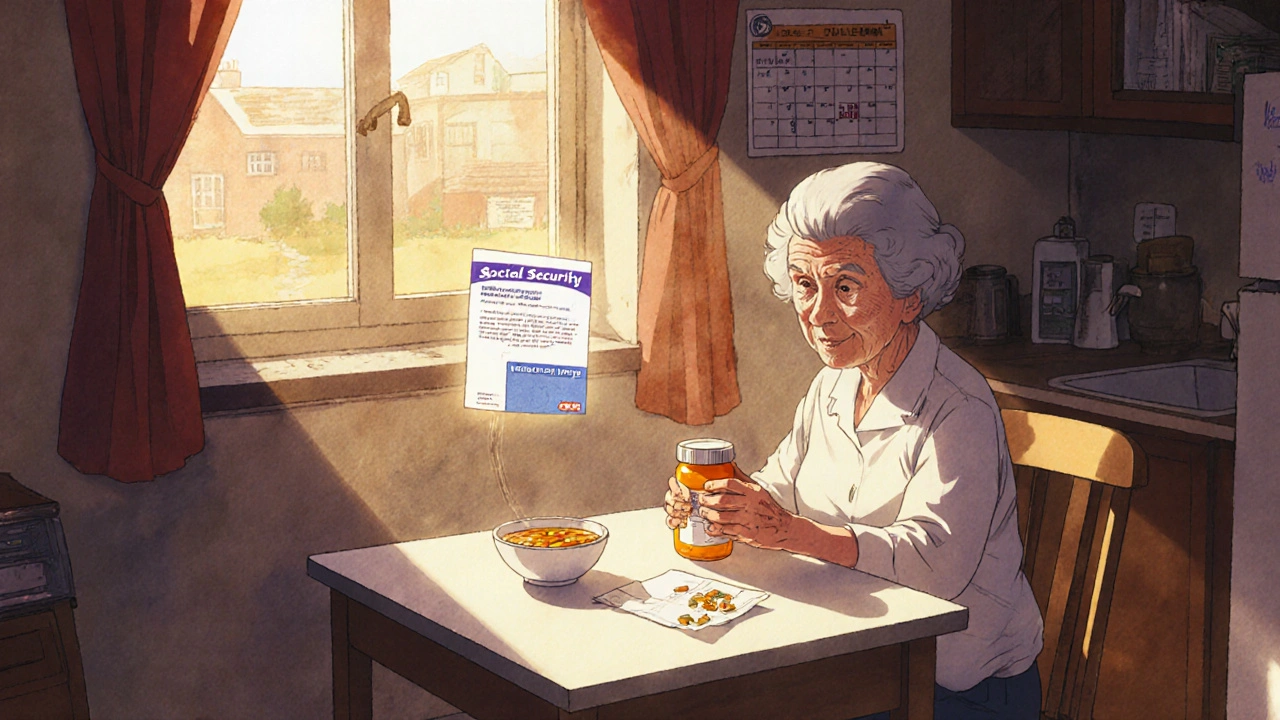
Learn how low-income seniors can qualify for the Medicare Extra Help Program to cut prescription drug costs to just a few dollars per pill. Get the 2025 income limits, application steps, and hidden benefits you might not know about.