Gluten-Free Diet: What It Really Means and Who It Helps
When you hear gluten-free diet, a dietary pattern that excludes gluten, a protein found in wheat, barley, and rye. Also known as gluten elimination diet, it's not just about avoiding bread—it's about managing real health conditions. For people with celiac disease, an autoimmune disorder where gluten triggers damage to the small intestine, eating gluten isn't a choice—it's a medical emergency. Even a tiny crumb can cause intestinal damage, bloating, diarrhea, and long-term nutrient loss. This isn't a fad. It's a lifelong requirement backed by decades of clinical research.
But not everyone who avoids gluten has celiac disease. Many people live with non-celiac gluten sensitivity, a condition where gluten causes symptoms like fatigue, brain fog, or stomach pain, but without the immune damage seen in celiac disease. Then there's wheat allergy, a true food allergy that triggers histamine release, leading to hives, swelling, or even anaphylaxis. These are three totally different conditions, but they all lead people to the same place: reading ingredient labels and asking, "Does this have gluten?"
Gluten hides everywhere. It's not just in pasta or bread. It's in soy sauce, salad dressings, processed meats, and even some medications. That's why a gluten-free diet isn't just about swapping bread—it's about learning what ingredients to watch for and how to replace them safely. Many people find they feel better after cutting out gluten, but others don't. That's why understanding your own body matters more than following trends.
What you'll find below are real, practical guides on how gluten affects your body, what medications and supplements might contain hidden gluten, how to manage this diet with other health conditions like diabetes or autoimmune disorders, and how to avoid mistakes that make the diet harder than it needs to be. These aren't theoretical tips—they're from people who’ve lived it, and doctors who’ve treated it.
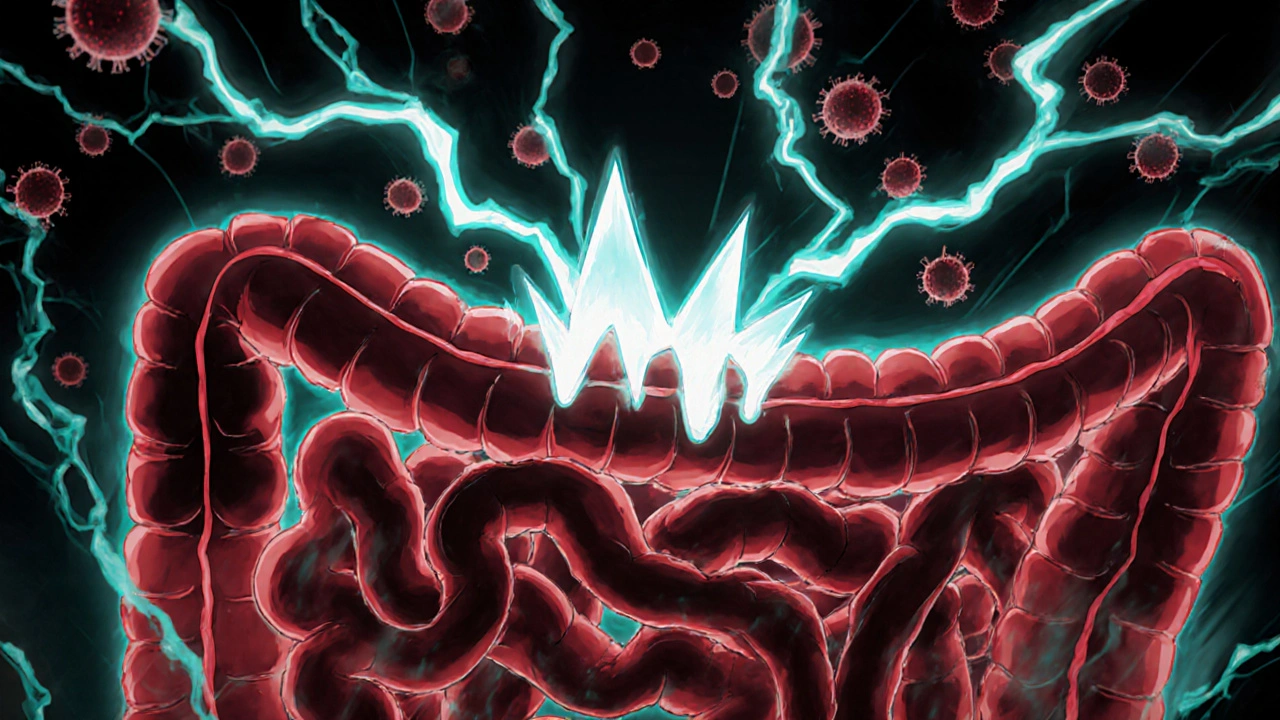
Celiac Disease: How Gluten Triggers Autoimmune Damage and What Diet Really Requires
- Date: 28 Nov 2025
- Categories:
- Author: David Griffiths
Celiac disease is an autoimmune disorder triggered by gluten, causing intestinal damage. Learn how it works, why a strict gluten-free diet is essential, and what new treatments are emerging.