Extra Help Program: What It Is and How It Lowers Your Prescription Costs
When you’re on a tight budget, paying for prescriptions can feel impossible. That’s where the Extra Help Program, a federal program that helps people with limited income pay for Medicare Part D prescription drug costs. Also known as the Low-Income Subsidy, it’s designed to make sure you don’t skip doses because you can’t afford your meds. This isn’t a discount card or a coupon—it’s actual financial help built into Medicare that reduces your monthly premiums, annual deductibles, and copays. Many people who qualify don’t even know they do, and that’s a problem because this program can save you hundreds or even over $5,000 a year on medications.
The Medicare Part D, the prescription drug coverage plan offered through Medicare is where the Extra Help Program applies. Without it, you might pay $50 for a month’s supply of blood pressure medicine, $100 for diabetes pills, or $300 for a specialty drug. With Extra Help, those costs drop to $0–$11 per prescription, depending on your income. It also covers the coverage gap—the dreaded "donut hole"—so you don’t get hit with huge bills after spending a certain amount. The program doesn’t just help with the drugs themselves; it also reduces your monthly plan premiums and eliminates the deductible in most cases.
Who qualifies? If your income is below $20,385 for an individual or $27,465 for a couple in 2024, you likely qualify—even if you have some savings or own a home. You don’t need to be on Medicaid, but if you are, you’re automatically enrolled. People on Supplemental Security Income (SSI) get it without applying. Others need to fill out a simple form, and the Social Security Administration reviews it quickly. Even if you think you make too much, check anyway—some assets like your car or home don’t count, and certain medical expenses can be deducted from your income.
The low-income assistance, a federal program that reduces out-of-pocket drug spending for Medicare beneficiaries with limited resources isn’t just about saving money—it’s about staying healthy. Skipping doses because of cost leads to hospital visits, worsening conditions, and higher long-term bills. This program keeps you on your meds, prevents complications, and reduces stress. It’s not charity. It’s policy designed to make sure basic healthcare stays within reach.
You’ll find real stories in the posts below about people using this program to afford everything from insulin to heart meds, mental health drugs, and even expensive biologics for autoimmune conditions. You’ll also see how it connects with other programs like Medicaid, how to apply without a social worker, and what to do if your application gets denied. Some posts even explain how to check your eligibility in under five minutes using the SSA’s online tool. This isn’t theory. It’s practical help from people who’ve been there.
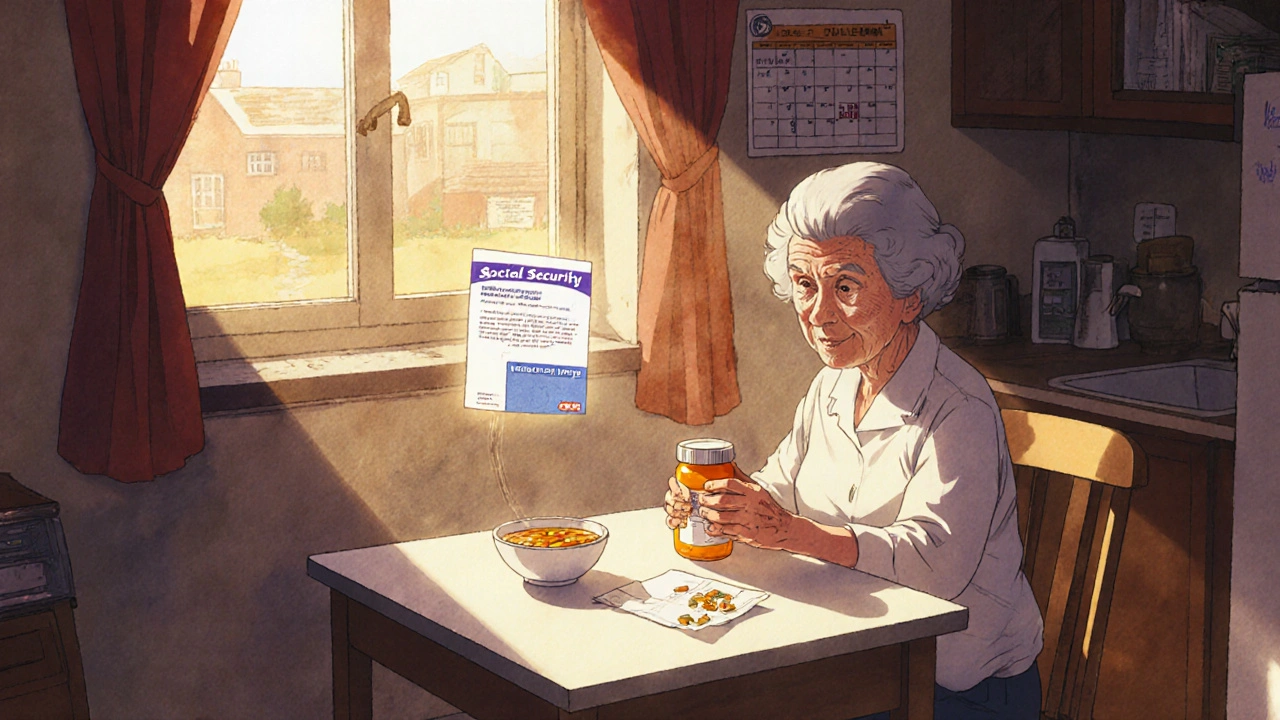
Extra Help Program for Low-Income Seniors: How to Qualify for Prescription Drug Savings
- Date: 27 Nov 2025
- Categories:
- Author: David Griffiths
Learn how low-income seniors can qualify for the Medicare Extra Help Program to cut prescription drug costs to just a few dollars per pill. Get the 2025 income limits, application steps, and hidden benefits you might not know about.