Drug Patent Expiration: When Generics Hit the Market and How It Lowers Your Costs
When a drug patent expiration, the legal end of a pharmaceutical company’s exclusive right to sell a brand-name drug. Also known as the patent cliff, it’s when generic versions can legally enter the market and prices drop—often by 80% to 90%. This isn’t just a legal footnote. It’s the moment millions of people start paying less for their meds, from blood pressure pills to insulin. The U.S. system, shaped by the Hatch-Waxman Act, a 1984 law that balanced innovation with access by creating a path for generic drug approval, made this possible. Without it, generics wouldn’t have a clear way to prove they work the same as the brand, and prices would stay high forever.
But patent expiration doesn’t happen overnight. Companies often extend protection through legal tricks—like filing new patents on minor changes (like a different pill shape or coating) or listing drugs in the Orange Book, the FDA’s official directory of approved drugs and their patents. These listings can delay generics for years, even after the original patent runs out. That’s why court cases like Amgen v. Sanofi matter: they decide whether those tricks are legal. When a patent is truly expired, generic manufacturers can file a Paragraph IV certification, challenging the patent and risking lawsuits. If they win, they get 180 days of exclusive generic sales—rewarding them for taking the legal risk.
Every year, dozens of big-name drugs lose patent protection. In 2023 alone, over $445 billion in savings came from generics hitting the market after patent expiration. That’s money back in patients’ pockets, in insurance plans, and in government programs like Medicare. But it’s not automatic. The FDA still has to review each generic for safety and effectiveness. And even after approval, they keep watching for quality issues—because a cheap drug that doesn’t work is worse than an expensive one that does.
What you’ll find below are real stories about how patent expiration changes lives. From how the FDA tracks generic safety after approval, to how court rulings reshape drug prices, to why some patents get extended while others don’t. These aren’t theoretical debates—they’re decisions that affect whether you pay $5 or $500 for your next prescription.
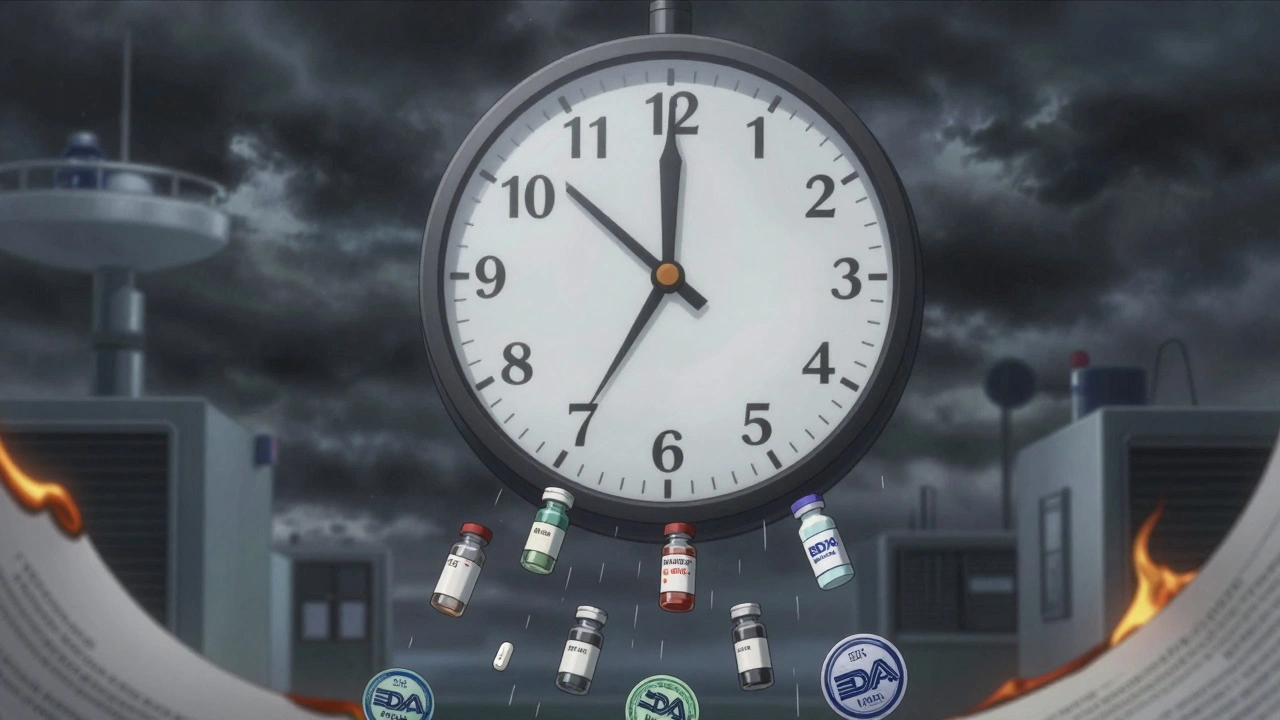
When Do Drug Patents Expire? Understanding the 20-Year Term and Real-World Timeline
- Date: 3 Dec 2025
- Categories:
- Author: David Griffiths
Drug patents don't expire 20 years after approval-they start counting from filing, often years before sale. Learn how patent extensions, exclusivity periods, and legal battles shape when generics actually hit the market.