Drug-Induced Headaches: Causes, Common Medications, and How to Manage Them
When you take a pill to feel better, you don’t expect it to give you a headache—but drug-induced headaches, headaches triggered by medications or their withdrawal. Also known as medication overuse headaches, they happen when your body reacts to the very drugs meant to help you. This isn’t rare. People taking daily painkillers, blood pressure meds, or even birth control pills can wake up with a pounding headache and not realize the cause is in their medicine cabinet.
One of the biggest culprits is over-the-counter pain relievers, medications like ibuprofen, acetaminophen, and combination headache pills. Taking them more than 10–15 days a month can flip your brain’s pain system into overdrive. It’s called rebound headache syndrome—you take the drug to stop the pain, but when it wears off, the pain comes back worse. The cycle starts slowly, then traps you. Another common trigger is beta-blockers, used for high blood pressure and migraines. Some people get headaches when starting them, or when they miss a dose. Even hormonal medications, like estrogen in birth control or HRT. can spark headaches by changing blood vessel tone. And don’t forget withdrawal: stopping caffeine, antidepressants, or steroids suddenly can send your head into a tailspin.
What makes this tricky is that the headache often feels like a migraine or tension headache—so you take more of the same drug. It’s a loop that’s hard to break without recognizing the pattern. The good news? Once you identify the trigger, the headache usually fades within weeks of stopping or reducing the drug. But you need to do it right—cold turkey isn’t always safe, especially with blood pressure or psychiatric meds. Talk to your doctor. They can help you taper safely and find alternatives.
You’ll find real stories and practical advice in the posts below. Some explain how a daily aspirin turned into a daily headache. Others show how switching from one painkiller to another made things worse. There’s also guidance on tracking your meds and symptoms to spot patterns before they spiral. Whether you’re dealing with a persistent headache you can’t explain, or you’re trying to avoid one in the first place, these posts give you the tools to take control—not just of your meds, but of your head.
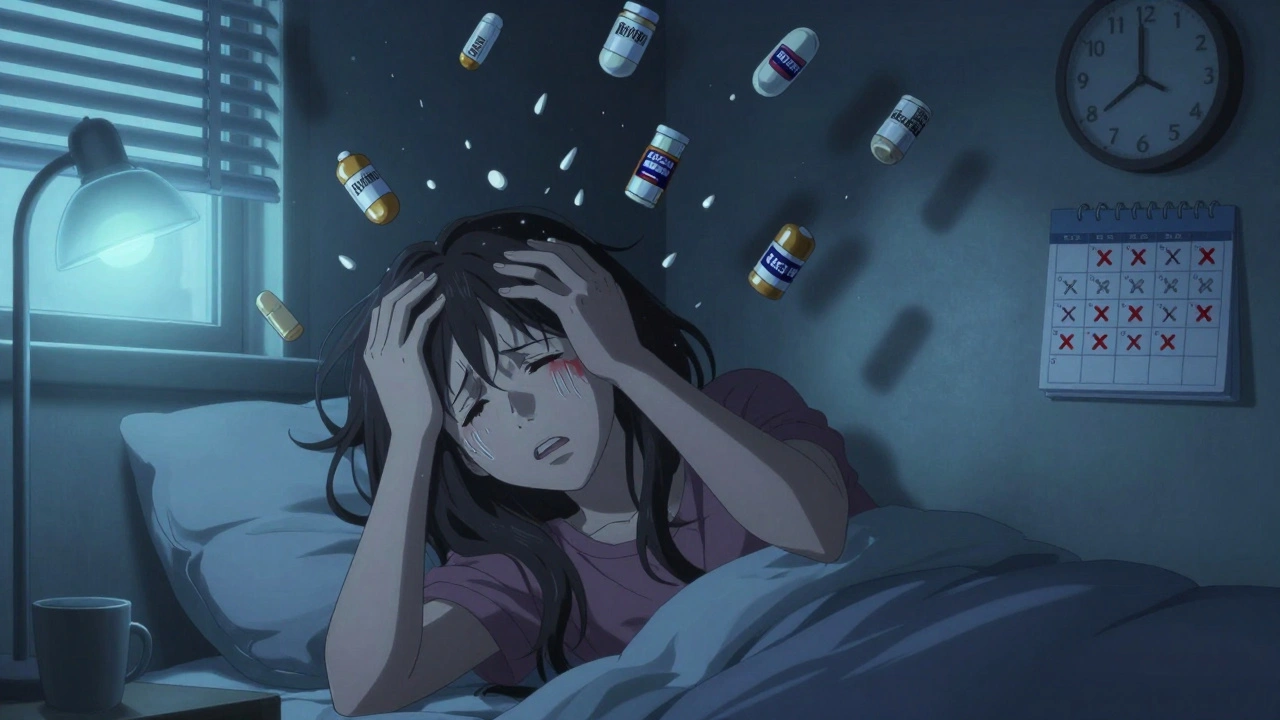
Drug-Related Headaches: How to Spot and Stop Medication Overuse Headaches
- Date: 8 Dec 2025
- Categories:
- Author: David Griffiths
Medication overuse headaches are a hidden cause of chronic pain. Learn how common painkillers can trigger daily headaches-and how to break the cycle with proven strategies and safer alternatives.