Double-Dosing Prevention: Stop Medication Mistakes Before They Happen
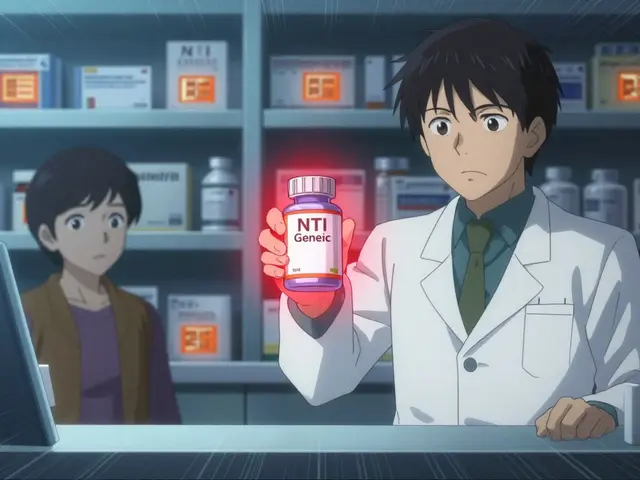
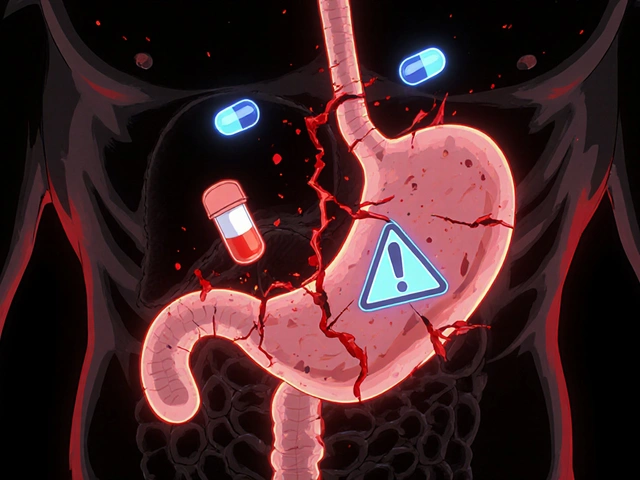
When you’re taking multiple medications, double-dosing, accidentally taking the same medicine twice in one day. Also known as medication overdosing, it’s one of the most common—and preventable—mistakes people make with their prescriptions. It’s not just about taking an extra pill. It’s forgetting you already took your blood pressure pill at breakfast, then taking another at lunch because you’re distracted. Or mixing a generic and brand name version of the same drug because you didn’t realize they’re identical. These aren’t rare errors. They happen every day, and they can land you in the ER.
Preventing double-dosing isn’t about being perfect. It’s about building systems that work even when you’re tired, stressed, or busy. Many people use pill organizers, but if they don’t match their actual schedule—like taking a pill twice a day but only filling the box once—it becomes part of the problem. The real solution starts with knowing exactly what you’re taking, why, and when. Your care team can help you build a medication action plan, a personalized checklist that tracks each drug, dose, and timing. This isn’t just paperwork—it’s your safety net. You’ll also want to understand how drug interactions, when two or more medicines affect each other’s effects or side effects. Also known as medication conflicts, these can make side effects worse or reduce how well your drugs work. For example, mixing certain painkillers with blood thinners can increase bleeding risk. Or taking two drugs that both lower blood pressure could drop it too far. These risks aren’t always obvious unless you’re tracking everything.
People often assume their pharmacist or doctor already knows every medication they’re on. But if you’re buying over-the-counter supplements, grabbing generics from different pharmacies, or using herbal remedies, that info doesn’t always get shared. That’s why keeping a written or digital list—updated every time you start or stop something—is the simplest way to prevent errors. Apps can help, but a printed list you carry in your wallet works just as well. And if you’re unsure whether you already took a pill, don’t guess. Wait. Check. Call your pharmacy. It’s better to skip a dose than risk taking too much.
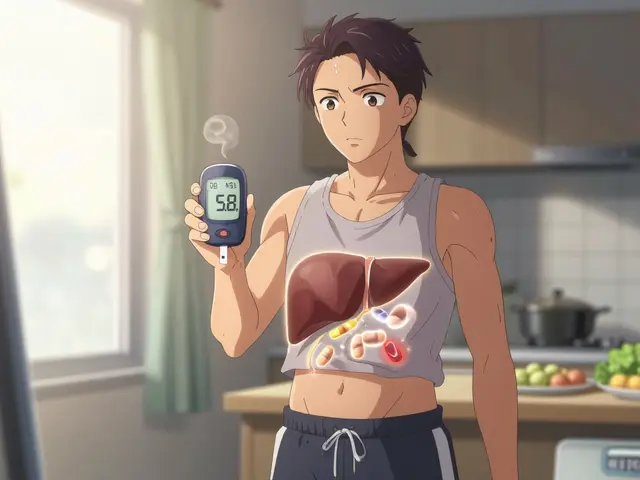
The posts below give you real, practical ways to avoid these mistakes. You’ll find guides on how to talk to your care team about your meds, how to spot when generics are safe to use, how to manage multiple prescriptions without confusion, and how to catch potential dangers before they happen. Whether you’re managing diabetes, depression, high blood pressure, or chronic pain, the tools here are built for real life—not theory. No fluff. No jargon. Just what works when you’re juggling pills, appointments, and daily stress.

How to Prevent Accidental Double-Dosing of Medications at Home
- Date: 14 Nov 2025
- Categories:
- Author: David Griffiths
Accidental double-dosing of medications at home is a leading cause of preventable overdoses. Learn practical, proven strategies-including pill organizers, digital reminders, ingredient checks, and safe storage-to protect yourself and loved ones from dangerous medication errors.