Coronary Artery Disease: Causes, Risks, and How Medications Help
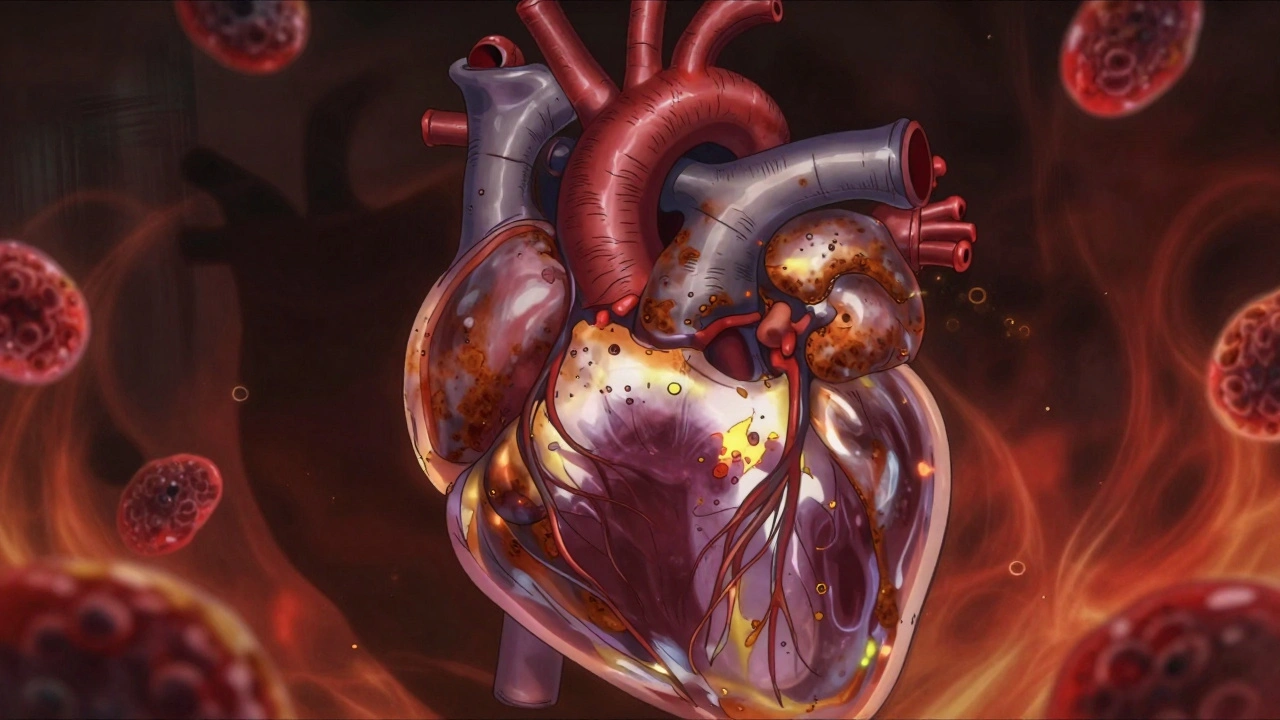
When your coronary artery disease, a condition where fatty deposits narrow the arteries that feed your heart. Also known as atherosclerotic heart disease, it’s the most common reason people have heart attacks. It doesn’t happen overnight. Over years, cholesterol, a waxy substance in your blood builds up along artery walls, forming plaque, a mix of fat, calcium, and immune cells. This plaque hardens and narrows the arteries, making it harder for blood to reach your heart muscle. When blood flow drops too low, you feel chest pain. When it cuts off completely, you have a heart attack.
High blood pressure, smoking, diabetes, and being overweight all speed this process up. So does chronic inflammation — which is why some newer treatments target not just cholesterol, but the body’s immune response too. You don’t need to wait for symptoms to act. Many people with early-stage coronary artery disease feel fine, but their arteries are already narrowing. That’s why knowing your numbers — LDL cholesterol, blood sugar, and blood pressure — matters more than ever. Medications like statins don’t just lower cholesterol; they stabilize plaque so it’s less likely to rupture and cause a clot. Blood pressure pills and aspirin help too, depending on your risk level. And while lifestyle changes like walking daily or cutting sugar help, they often work best when paired with the right meds.
What you’ll find here are real, practical guides on how drugs work, how to avoid dangerous interactions, how to save money on prescriptions, and how to understand your own heart health without getting lost in medical jargon. From patient assistance programs that cut drug costs to how generics are monitored for safety, these posts give you the tools to take control — not just of your meds, but of your long-term heart health.
Coronary Artery Disease: Understanding Atherosclerosis, Risk Factors, and Modern Treatments
- Date: 4 Dec 2025
- Categories:
- Author: David Griffiths
Coronary artery disease, caused by atherosclerosis, is the leading cause of death globally. Learn how plaque builds up, who’s at risk, and what treatments actually work-from lifestyle changes to stents and bypass surgery.