Chronic Obstructive Pulmonary Disease: Causes, Treatments, and Daily Management
When you have chronic obstructive pulmonary disease, a progressive lung condition that makes it hard to breathe due to damaged airways and air sacs. Also known as COPD, it includes two main types: emphysema, where the air sacs in the lungs break down, and chronic bronchitis, where the bronchial tubes are inflamed and produce too much mucus. This isn’t just a smoker’s cough—it’s a long-term battle that changes how you move, sleep, and even talk.
People with COPD often need oxygen therapy, a treatment that delivers extra oxygen through a nasal tube or mask to help the body function when lungs can’t keep up. It’s not a cure, but it can help you stay active longer. Medications like bronchodilators and inhaled steroids don’t fix the damage, but they can reduce flare-ups and make breathing easier. Many also benefit from pulmonary rehab—exercise, education, and breathing techniques taught by specialists. What most don’t realize is that avoiding smoke, pollution, and even cold air can be as important as taking pills.
There’s no magic fix, but small daily choices add up. Using a humidifier at night, pacing yourself during chores, and learning how to cough effectively can mean the difference between staying home and getting out. You’re not alone—millions manage this condition every day, and the right support makes all the difference. Below, you’ll find real guides on medications, lifestyle adjustments, and how to avoid common mistakes that make COPD worse. These aren’t theoretical tips. They’re what people actually use to keep breathing easier, longer.
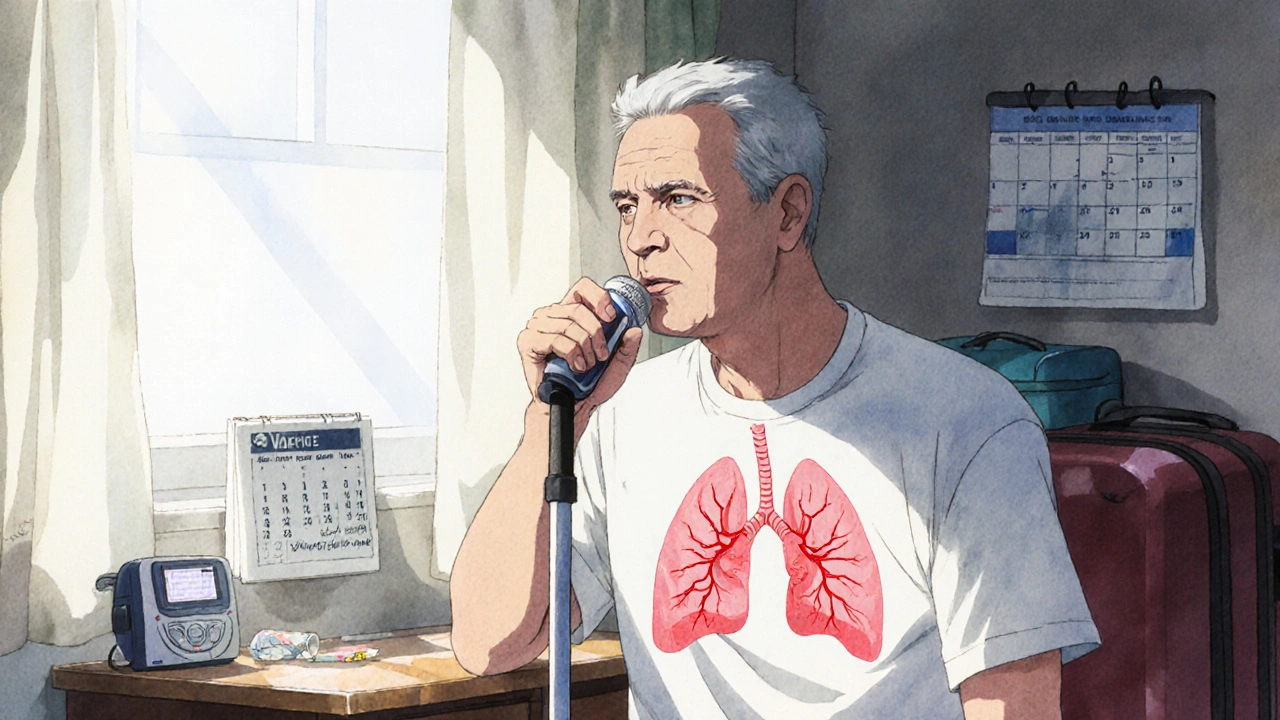
COPD Explained: Understanding Disease Stages and Effective Treatment Options
- Date: 21 Nov 2025
- Categories:
- Author: David Griffiths
COPD is a progressive lung disease with four stages, from mild to very severe. Learn how spirometry measures your lung function, what treatments work at each stage, and how to slow progression with quitting smoking, pulmonary rehab, and new therapies.