Aortic Stenosis: Causes, Symptoms, and Treatment Options Explained
When the aortic stenosis, a condition where the aortic valve in the heart narrows and restricts blood flow. Also known as aortic valve stenosis, it’s not just a sign of aging—it’s a serious heart condition that can lead to heart failure if ignored. This valve controls how blood leaves your heart and goes to the rest of your body. When it gets stiff or calcified, your heart has to pump harder just to push blood through. Over time, that extra strain weakens the muscle, and symptoms start showing up.
You might notice shortness of breath when climbing stairs, chest pain during exercise, or sudden dizziness. These aren’t just "getting older" things—they’re red flags. Aortic stenosis often shows up quietly, especially in people over 65, but it can also be present from birth or develop faster if you have a bicuspid aortic valve or a history of rheumatic fever. It’s not caused by diet or lifestyle alone, but things like high cholesterol and high blood pressure can speed up the damage. The aortic valve replacement, the main treatment for severe aortic stenosis. Also known as AVR, it’s either done through open-heart surgery or a minimally invasive procedure called TAVR, depending on your age and overall health. For some, medication can help manage symptoms, but it doesn’t fix the valve. Only replacing or repairing it stops the progression.
Many people don’t realize how common this is—about 2% of adults over 65 have moderate to severe aortic stenosis. And while it’s often linked to calcium buildup, it’s not the same as artery plaque. That’s why a simple echocardiogram can tell you more than years of guesswork. If you’ve been told you have a heart murmur, or if you’re getting winded faster than your peers, it’s worth getting checked. The good news? When caught early and treated right, most people go back to living normally. The bad news? Waiting too long can turn a treatable problem into a life-threatening one.
Below, you’ll find real, practical posts that break down what aortic stenosis really means—how it’s diagnosed, what to expect from surgery, how it connects to other heart conditions, and what daily life looks like after treatment. No fluff. No marketing. Just what you need to know to make smart choices for your heart.
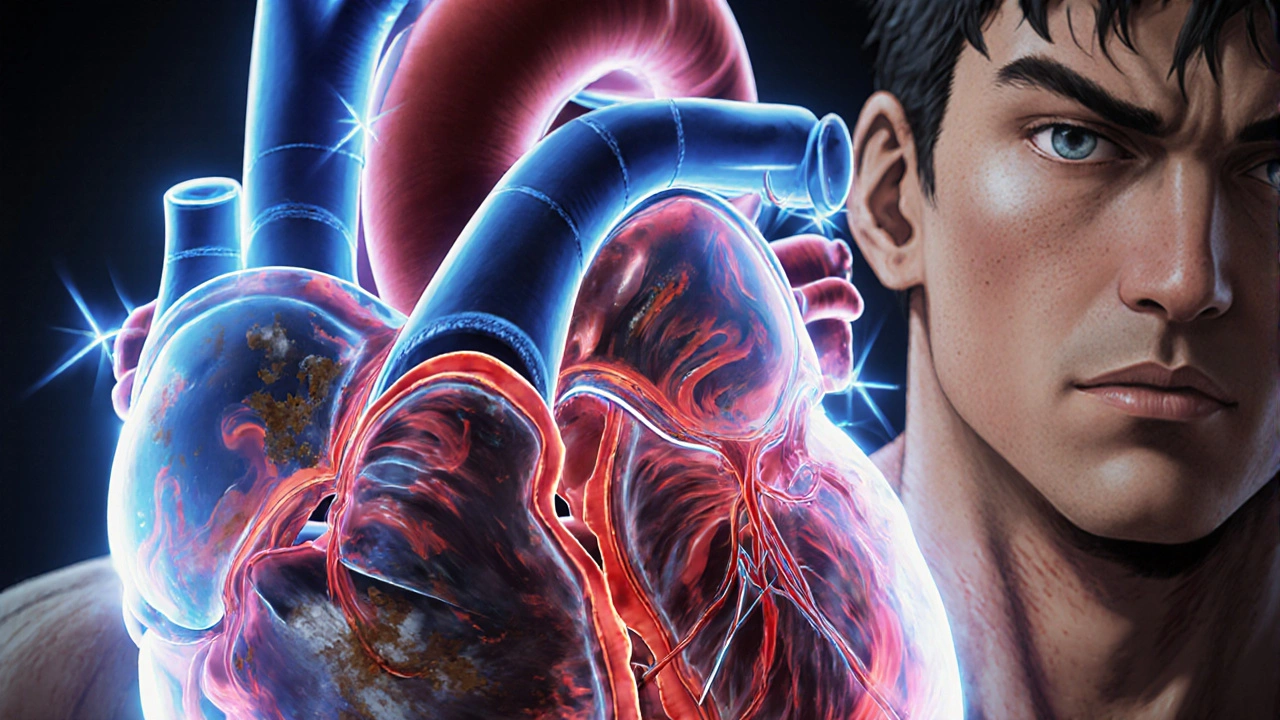
Heart Valve Diseases: Understanding Stenosis, Regurgitation, and When Surgery Is Needed
- Date: 25 Nov 2025
- Categories:
- Author: David Griffiths
Understand heart valve stenosis and regurgitation, how they affect your heart, and when surgery - including minimally invasive options like TAVR and MitraClip - becomes necessary for long-term health.