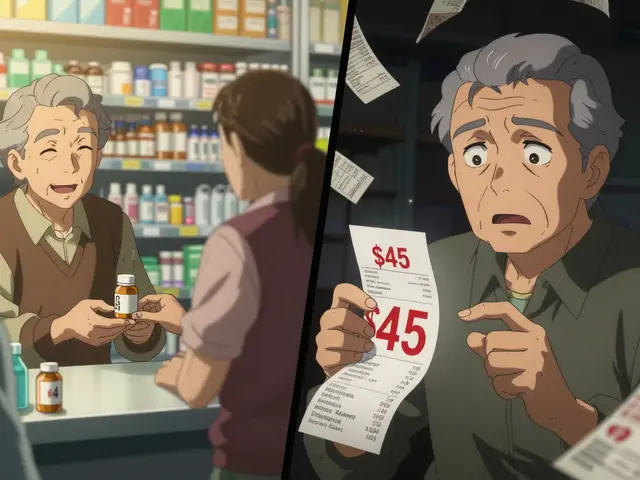
Ever wonder why a doctor insists on a specific brand-name medication when a cheaper generic or biosimilar version exists? In the world of high-stakes medicine, this isn't usually about preference or a "fancy" label. When dealing with complex conditions like multiple sclerosis or advanced cancers, the margin for error is razor-thin. For many specialists, specialty prescribing isn't just about choosing a drug; it's about managing a volatile clinical situation where a slight variation in a drug's formulation could mean the difference between remission and a relapse.
The High Stakes of Specialty Medications
To understand why specialists lean toward brands, we first have to define what we're talking about. Specialty Drugs is a category of high-cost pharmaceuticals used to treat rare or complex chronic conditions, often requiring special handling and administration. These aren't your typical pharmacy prescriptions. We're talking about medications that often cost more than $670 per month, and in many cases, exceed $100,000 annually. Because they treat aggressive diseases like rheumatoid arthritis or various forms of cancer, they often come with intense administration requirements-think infusions or subcutaneous injections rather than a simple pill.
For a specialist, the "brand" represents a known quantity. When a patient is stabilized on a specific brand-name biologic, switching them to a biosimilar can introduce variables that the physician cannot control. For instance, a patient with a specific genetic mutation might respond perfectly to a brand-name drug but react poorly to a slightly different version. In these scenarios, the risk of "switching" outweighs the financial benefit of the generic.
The Economic Paradox of Specialty Prescribing
The financial landscape of these drugs is staggering. While they make up a tiny fraction of total prescriptions-only about 0.5% to 6.2% depending on the year-they swallow a massive portion of the budget. Data shows that specialty drugs accounted for over 71% of total prescription spending in 2021. This creates a weird tension: the drugs are essential for survival, yet their costs are nearly unsustainable for both patients and insurance providers.
| Feature | Traditional Generics | Specialty Brand-Name Drugs |
|---|---|---|
| Prescription Volume | High (approx. 90% of fills) | Very Low (approx. 1-2% of fills) |
| Spending Share | Low (approx. 17.5%) | Very High (Over 50%) |
| Administration | Mostly Oral | Injection/Infusion |
| Cost Trend | Prices generally drop | Prices increase (avg. 13.2% annually) |
The Invisible Hand: How PBMs Shape Choices
While the doctor writes the script, the Pharmacy Benefit Manager (or PBM) often decides if it actually gets filled. PBMs act as the middlemen between insurance companies and pharmacies. The "Big 3"-Caremark Rx, Express Scripts, and OptumRx-hold immense power over which drugs are "preferred" on a formulary.
This creates a frustrating loop for providers. A specialist might prefer a brand-name drug for clinical reasons, but the PBM may require a grueling "prior authorization" process to prove that a cheaper alternative won't work. This isn't just a paperwork annoyance; it's a time sink. The American Medical Association found that physicians spend over 13 hours a week on prior authorizations, and nearly 80% of that time is spent specifically on specialty medications. When a PBM forces a switch to a biosimilar to save money, the doctor is the one who has to manage the potential clinical fallout if the patient doesn't respond the same way.
Clinical Justification vs. Financial Pressure
Why do some specialists stick to brands even when the pressure to switch is high? It usually comes down to three things: stability, predictability, and evidence.
- Patient Stability: If a patient with multiple sclerosis is doing well on Ocrevus, switching them to a different version is a gamble. As some patients have reported, specialists often argue there are simply no alternatives that work as well for a specific mutation.
- Predictable Outcomes: Brand-name manufacturers often provide more comprehensive support and monitoring programs. For a doctor, knowing exactly how a drug is stored and shipped (cold-chain logistics) reduces the risk of the drug degrading before it reaches the patient.
- The "No-Switch" Rule: In rheumatology, many providers follow a rule of thumb: if the brand is working, don't touch it. The cost of a "failed switch"-which might include a hospital stay due to a flare-up-can far exceed the monthly savings of a generic.
However, there is a darker side to this. Some evidence suggests that pharmaceutical company payments can influence these decisions. A ProPublica analysis once highlighted that doctors receiving significant payments from drug companies had brand-name prescribing rates roughly 50% higher than those who didn't. While many doctors prescribe brands for legitimate clinical reasons, the financial ties between industry and provider can blur the lines.
Navigating the Specialty Pharmacy Maze
Getting a patient started on a specialty drug is more like a project management task than a medical appointment. It involves a complex chain of events: the prescriber, the specialty pharmacy, and the payer must all align. According to research, about 42% of specialty drug starts experience delays of a week or more just because of administrative hurdles.
Providers must navigate Risk Evaluation and Mitigation Strategies (or REMS), which are safety protocols mandated by the FDA to ensure these powerful drugs don't cause undue harm. This adds another layer of complexity to the prescribing process, making the "known path" of a trusted brand more attractive than the unknown of a newer, cheaper alternative.
Looking Ahead: Will the Brand Preference Fade?
The tide may be shifting. The Inflation Reduction Act of 2022 has finally given Medicare the power to negotiate prices for some of the highest-cost drugs. This could eventually lower the price gap between brands and generics, reducing the financial pressure on the system. Additionally, as biosimilars become more common and collect more long-term data, specialists may feel more comfortable switching patients away from the original brand.
But for now, the preference remains. Until we have more data showing that switches are seamless across diverse patient populations, the brand name remains a symbol of clinical certainty in an uncertain world of chronic disease management.
Why are specialty drugs so much more expensive than regular medications?
Specialty drugs treat rare or complex conditions, meaning the patient pool is smaller, which allows manufacturers to set higher prices. Additionally, they often require expensive research and development (R&D), specialized manufacturing processes, and strict "cold-chain" storage and shipping to remain effective.
What is a biosimilar, and is it the same as a generic?
Unlike traditional generics, which are chemically identical copies of a small-molecule drug, biosimilars are made from living organisms. Because they are so complex, they aren't exact copies but are "highly similar" in strength, safety, and purity. This slight difference is why some specialists are hesitant to switch patients from a brand-name biologic to a biosimilar.
How do PBMs affect which drug my doctor prescribes?
Pharmacy Benefit Managers (PBMs) create "formularies"-lists of drugs that insurance will cover. If a PBM decides a brand-name drug is too expensive, they may require the doctor to complete a prior authorization or use a "step therapy" approach, forcing the patient to try cheaper alternatives before the preferred brand is approved.
What is a prior authorization, and why does it cause delays?
A prior authorization is a requirement from an insurance company that the doctor must prove a specific drug is medically necessary before the insurance agrees to pay for it. This process is time-consuming, often requiring faxes and phone calls between the clinic and the insurance company, which can delay treatment for several days or weeks.
Are there programs to help patients afford these drugs?
Yes. Many patients use patient assistance programs (PAPs) offered by the drug manufacturers themselves or non-profit organizations like the National Organization of Rare Disorders (NORD). These programs can provide medications at a discount or even for free depending on the patient's income level.