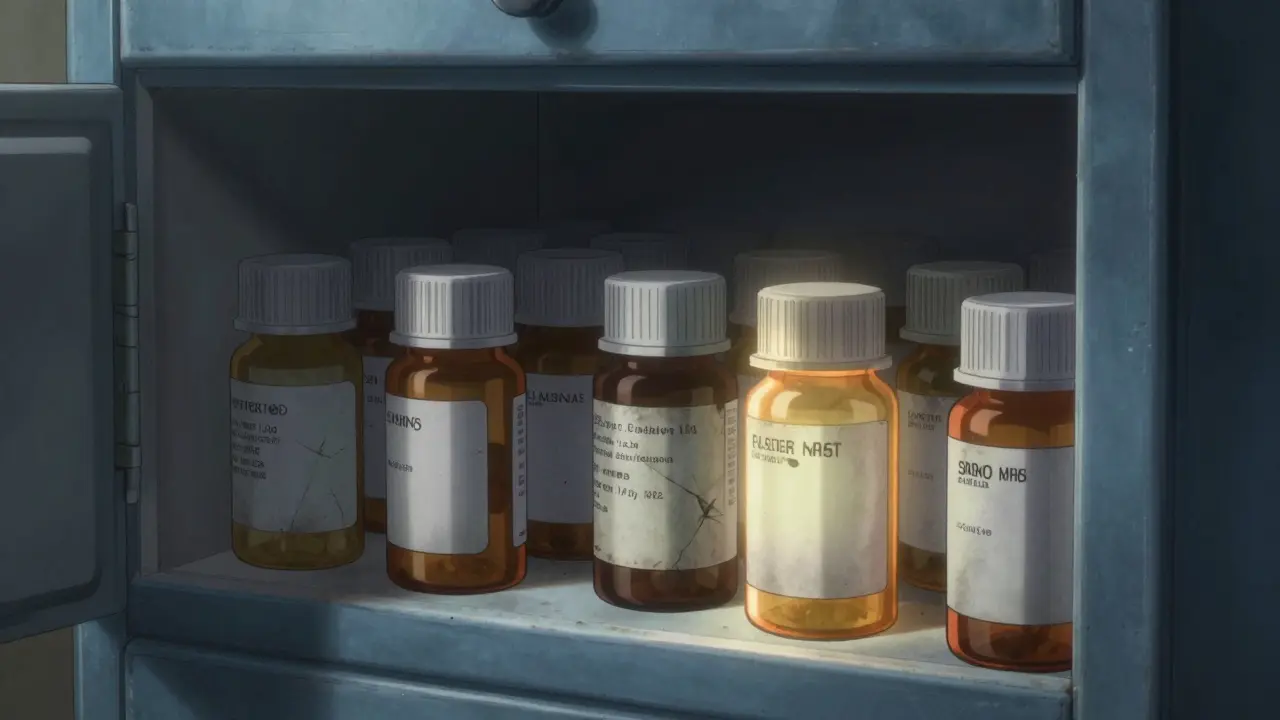
When you find an old bottle of pills in the back of your medicine cabinet, the first thing you probably think is: is this still safe to take? The expiration date printed on the label feels like a hard stop - a line in the sand. But what does that date actually mean? Is your painkiller useless after that date, or could it still work? And more importantly, could taking it hurt you?
Expiration Dates Are About Guarantee, Not Death
The expiration date on your medication isn’t a magic cutoff where the drug suddenly turns toxic. It’s a manufacturer’s guarantee. That means: until that date, the company promises the medicine will still have at least 90% of its labeled potency and will be safe to use, assuming it was stored properly. This isn’t guesswork. The U.S. Food and Drug Administration (FDA) has required this since 1979, and manufacturers test drugs under strict conditions - heat, humidity, light - to figure out exactly how long they hold up.
Most expiration dates fall between 12 and 60 months from the manufacturing date. But here’s the twist: those dates are often conservative. The FDA’s own Shelf Life Extension Program, which tested over 3,000 lots of drugs for the military, found that 88% of medications were still effective 15 years past their printed expiration - if they’d been kept cool, dry, and sealed. Ciprofloxacin? Still 97% potent after 12 years. Amoxicillin? 94% after 8 years. These aren’t outliers. They’re the norm for stable, solid medications like tablets and capsules.
Not All Medicines Are Created Equal
But not every drug plays nice. Some break down fast - and fast breakdowns can be dangerous. Take nitroglycerin, used for heart attacks. Once you open the bottle, it starts losing potency within months. Even before the expiration date, it can drop by half. If you’re relying on it during chest pain and it’s weak, you could die. Insulin? It degrades about 1.5% to 2.5% every month if it gets even slightly warm. A vial left in a hot car or a bathroom cabinet might look fine, but it could be giving you 30% less insulin than you think - leading to dangerously high blood sugar.
Liquid antibiotics like amoxicillin-clavulanate suspension are another red flag. Even if the bottle says it expires in 2027, once you mix it with water in the pharmacy, it’s only good for 14 days. After that, bacteria can grow, and the drug stops working. Taking it won’t poison you, but it won’t kill the infection either - and that can lead to antibiotic resistance or worse.
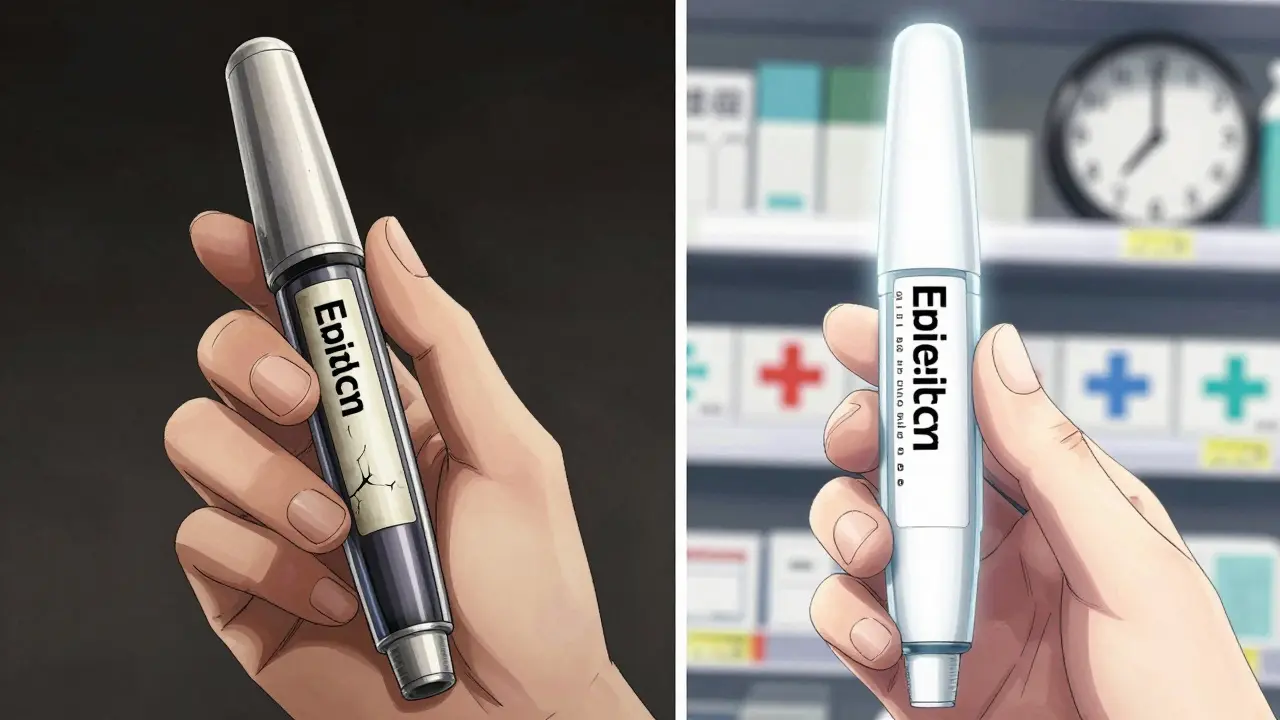
Epinephrine auto-injectors (EpiPens) are life-saving devices. But after expiration, they lose 15-20% of their potency each year. In a severe allergic reaction, that could mean the difference between saving a life and losing one. Warfarin, a blood thinner, is also risky. Its effects can become unpredictable when expired, raising the chance of dangerous bleeding.
Storage Matters More Than You Think
Where you keep your meds is just as important as when they expire. The bathroom is the worst place. Humidity from showers can be 75-85% - way above the 60% humidity limit for most drugs. That’s why tablets can crumble, capsules get sticky, and pills change color. Heat speeds up degradation too. A medicine stored at 30°C degrades 40-60% faster than one kept at 25°C.
Best practice? Keep pills in their original bottle, with the child-resistant cap tightly closed. Store them in a cool, dry place - like a bedroom drawer, not above the toilet. Avoid direct sunlight. If your medicine smells weird, looks discolored (white pills turning yellow, for example), or feels brittle or gooey, throw it out. Don’t wait for the date.
When Is It Okay to Use an Expired Drug?
There’s no blanket answer. For non-critical, low-risk meds - like ibuprofen, antihistamines, or some antidepressants - using them a year or two past expiration might be fine if they’ve been stored well and look normal. You might not get the full effect, but you probably won’t get hurt.
But for anything life-critical? Don’t risk it. Antibiotics for an infection, heart medications, insulin, seizure drugs, or epinephrine? If it’s expired, get a new one. The Institute for Safe Medication Practices breaks this down clearly: high-risk drugs include nitroglycerin, insulin, and liquid antibiotics. Moderate risk includes antibiotics, blood thinners, and seizure meds. Low risk? Most pills for cholesterol, blood pressure, or depression.
Even then, experts like Dr. Joel Davis from Johns Hopkins say: if you’re facing a medication shortage and you’ve got a stable condition like high blood pressure, and your ACE inhibitor expired six months ago and was stored perfectly, it might be okay for a few extra days. But that’s a last-resort call - not a habit.
What Happens When You Take Expired Medicine?
Most expired pills won’t poison you. They just won’t work as well. But that’s the problem. A weakened antibiotic might not kill all the bacteria, letting the strongest survive and multiply. That’s how superbugs form. A weak painkiller might make you think your condition is getting worse - leading to unnecessary doctor visits or even surgeries. A half-dead asthma inhaler could land you in the ER.
And then there’s the risk of contamination. Liquid meds, eye drops, and creams can grow mold or bacteria after expiration - especially if the seal was broken. Using those can cause infections. One case study in the Journal of Thrombosis and Haemostasis showed a patient developed a serious infection after using an expired eye drop.
What Should You Do With Expired Meds?
Don’t flush them unless they’re on the FDA’s Flush List - things like fentanyl patches or oxycodone tablets, which are dangerous if someone else finds them. For most drugs, the safest bet is to drop them off at a pharmacy or a National Prescription Drug Take-Back Day. In 2023, over 900,000 pounds of unused meds were collected at 5,886 sites across the U.S.
Pharmacies are also your best resource. Most community pharmacies set their own “beyond-use” dates when they dispense meds - often just one year for pills, 30 days for eye drops, 14 days for liquid antibiotics. They know what’s safe. If you’re unsure, ask your pharmacist. They’ll tell you if your meds are still good, or if you need a refill.
The Bigger Picture: Waste vs. Safety
Every year, Americans throw away $765 billion worth of medicine because it’s expired. That’s 13-15% of all pharmaceutical spending. The military saves $1.2 billion a year by extending drug shelf lives through testing. New tech like smart packaging with time-temperature sensors is starting to appear - these change color if a drug has been exposed to bad conditions, giving you real-time info instead of a fixed date.
The FDA is testing Bluetooth-enabled sensors on insulin to adjust expiration dates based on actual storage - not just a printed label. If this works, we could cut unnecessary waste by a quarter. But until then, the safest rule is simple: when in doubt, throw it out - especially for critical meds.
Bottom Line: Use Your Head, Not Just the Date
Expiration dates are a safety net - not a death sentence. Most pills are still good long after the date if stored right. But some drugs? They’re time bombs. Know the difference. Keep your meds cool and dry. Check for changes in color, smell, or texture. When it’s something you rely on to stay alive - insulin, EpiPen, heart meds - never gamble. Get a new one. For minor stuff? It’s probably fine. But always ask your pharmacist. They’re the experts who handle this every day.
Your health isn’t worth the risk of guessing. The date on the bottle is just a starting point. Your judgment - and your pharmacist’s advice - are the real safety net.



I used to panic every time I found an old pill bottle until I learned the FDA’s Shelf Life Extension Program found most meds are good for years past expiration. My ibuprofen from 2018? Still works fine. I keep it in a drawer, not the bathroom. Don’t overthink it unless it’s something life-critical.
Also, storage matters way more than the date. My cousin’s insulin went bad because he left it on the windowsill. The date was fine. The heat killed it.