Post-Approval Drug Monitoring: What Happens After a Drug Hits the Market
When a drug gets approved, the job isn’t done—post-approval drug monitoring, the ongoing tracking of a drug’s safety and effectiveness after it’s sold to the public. Also known as pharmacovigilance, it’s how we find problems that didn’t show up in clinical trials, where only a few thousand people are studied for months. Real patients, with real health conditions and real drug combinations, are the ones who reveal the true risks. This isn’t just paperwork—it’s a live early warning system for dangerous side effects, drug interactions, and long-term harm.
Every year, thousands of adverse drug reactions, harmful or unintended effects from medications are reported by doctors, pharmacies, and patients themselves. Some are mild—like nausea or dizziness—but others can be life-threatening, like liver failure from a common painkiller or heart rhythm problems from an antidepressant. These signals don’t always show up until hundreds of thousands of people are using the drug. That’s why FDA drug surveillance, the U.S. system that collects and analyzes post-market safety data is critical. It’s how drugs like Vioxx got pulled, how warnings got added to black box labels, and how new safety guidelines are created for diabetes meds, blood thinners, and even common antibiotics.
What you won’t see on the drug label is the quiet work happening behind the scenes: pharmacies flagging unusual patterns, electronic health records spotting spikes in hospital visits after a new prescription, and patients reporting symptoms through apps or hotlines. These aren’t just numbers—they’re real people who had unexpected reactions. The system isn’t perfect, but without it, we’d be flying blind. You might think safety checks end at approval, but the truth is, the real test begins when millions start taking the drug every day. That’s why post-approval drug monitoring matters to you—even if you’ve never heard the term.
Below, you’ll find real stories and data-driven breakdowns of how drugs are tracked after they’re sold, what hidden risks have been uncovered, and how patients and doctors can spot trouble early. From how generic drugs are monitored differently to why some side effects only show up years later, these posts give you the facts you won’t find on the bottle.
How the FDA Monitors Generic Drug Safety After Approval
- Date: 2 Dec 2025
- Categories:
- Author: David Griffiths
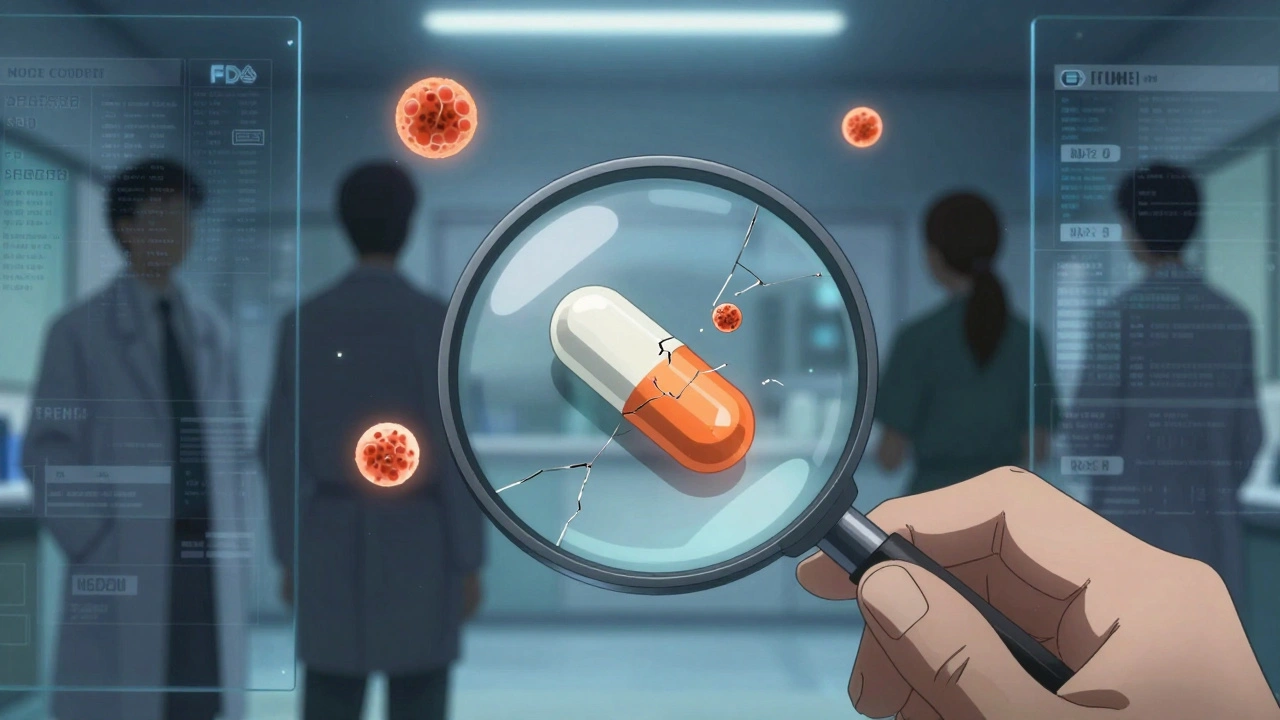
The FDA doesn't stop monitoring generic drugs after approval. Learn how it tracks quality issues, adverse events, and manufacturing flaws using real-world data, signal detection, and emerging tech like AI to keep patients safe.