Pharmacy EHR: What It Is and How It Improves Patient Care
When you hear pharmacy EHR, an electronic system that lets pharmacists view, manage, and share a patient’s complete medication history. Also known as electronic health records for pharmacies, it’s not just digital paperwork—it’s a safety net that stops dangerous mistakes before they happen. Think about it: if your doctor prescribes a new pill, but your pharmacist doesn’t know you’re already taking five others, something could go wrong. Pharmacy EHR fixes that by bringing all your meds—prescriptions, OTCs, supplements—into one clear view.
This system doesn’t work in a vacuum. It connects with electronic health records, the digital files doctors and hospitals use to track your health history, so your pharmacist sees your diagnoses, allergies, and lab results too. That’s how they catch clashes like mixing steroids and NSAIDs—something we’ve seen lead to life-threatening bleeding. It also links to medication management, the process of tracking what you take, when, and why, helping teams build action plans that actually stick. No more guessing if you took your methotrexate today or double-dosing on painkillers because two different doctors wrote prescriptions.
Real people benefit every day. Someone on isotretinoin gets a warning about liver tests. A diabetic on methotrexate sees a flag for blood sugar changes. A grandparent using donepezil avoids a dangerous interaction with a new OTC sleep aid. These aren’t hypotheticals—they’re daily checks built into the system. Pharmacy EHR also helps reduce confusion around generics, giving pharmacists the data to explain why a cheaper version is just as safe. It supports clear communication, which is why so many posts here focus on how to talk to patients about their meds without overwhelming them.
What you’ll find below isn’t just a list of articles. It’s a practical toolkit built around real pharmacy EHR use cases: preventing double-dosing, creating medication plans, understanding drug interactions, and making sure your treatment works without side effects. These aren’t theory pieces—they’re guides written by people who’ve seen what happens when records are messy, and how smart systems fix it.

EHR Integration for Pharmacies: How Digital Communication Improves Prescription Safety and Care
- Date: 19 Nov 2025
- Categories:
- Author: David Griffiths
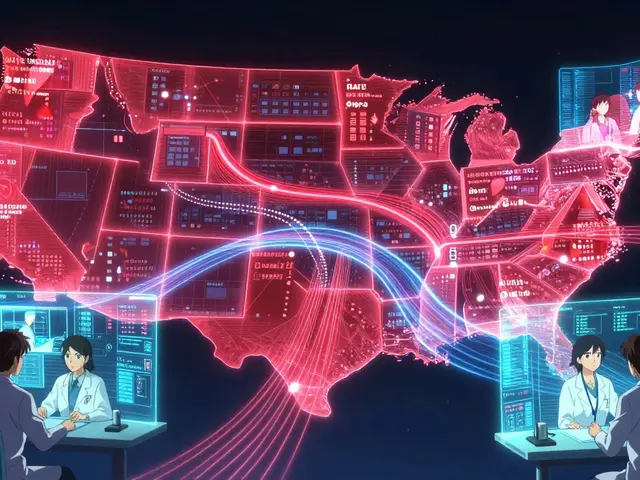
EHR integration connects pharmacies and healthcare providers to share prescription and patient data in real time, reducing errors, saving lives, and cutting costs. Learn how it works, why it's still rare, and what's changing in 2025.