cage hygiene: keeping animal enclosures clean and safe
When talking about cage hygiene, the practice of keeping animal enclosures clean and free of pathogens. Also known as enclosure sanitation, it forms the backbone of healthy animal care. Effective disinfectants, chemicals that kill bacteria, viruses, and fungi on surfaces and robust biosecurity, procedures that prevent disease spread between animals and environments are key components that work together.
Why proper cage hygiene matters
Every pet owner, breeder, or lab technician quickly learns that a dirty cage invites trouble. cage hygiene reduces the risk of respiratory infections, skin conditions, and zoonotic diseases that can jump to humans. When you regularly remove waste, replace bedding, and sterilize surfaces, you’re cutting out the breeding grounds for germs. This not only protects the animals but also saves money on veterinary bills and prevents downtime in research settings.
One common misconception is that water alone cleans a cage. In reality, water can spread contaminants if not paired with the right cleaning agents. A typical cleaning cycle includes three steps: dry removal of debris, application of an appropriate disinfectant, and a thorough rinse. The disinfectant choice depends on the species housed, the type of pathogens likely present, and any chemical sensitivities. For example, quaternary ammonium compounds work well for rabbits, while chlorine‑based solutions are preferred in poultry facilities.
Another vital piece of the puzzle is veterinary sanitation, standards set by vets to maintain a pathogen‑free environment. Veterinarians often recommend routine swab testing of surfaces to verify that cleaning protocols are effective. When test results show lingering bacteria, you can adjust the disinfectant concentration or increase cleaning frequency. This feedback loop ensures that the hygiene plan stays effective over time.
Timing also plays a role. Many pathogens thrive in warm, moist conditions, so scheduling cleaning during cooler parts of the day can improve results. Some facilities adopt a “clean‑first, then feed” routine, preventing food residue from shielding germs from the disinfectant. Additionally, using disposable gloves and dedicated cleaning tools for each cage prevents cross‑contamination, a principle directly tied to biosecurity practices.
Equipment maintenance is often overlooked but essential. Filters, water lines, and cage accessories can harbor biofilm that resists standard cleaning. Regularly disassembling and soaking these parts in a proven disinfectant keeps hidden microbes at bay. Documenting each cleaning session in a logbook helps track compliance and spot trends, such as spikes in infection rates that might signal a lapse in protocol.
Training staff or household members is just as important as having the right chemicals. Simple checklists that outline each step—from waste removal to final inspection—ensure consistency. Role‑playing scenarios, like handling a sudden outbreak, reinforces the biosecurity mindset and readies the team for real‑world challenges.
Finally, remember that cage hygiene is an ongoing commitment, not a one‑time task. By integrating proper disinfectants, biosecurity measures, and veterinary sanitation standards into daily routines, you create a healthier environment for the animals and peace of mind for yourself. Below, you’ll find a curated set of articles that dive deeper into specific cleaning agents, disease prevention tips, and case studies from various animal‑care settings.
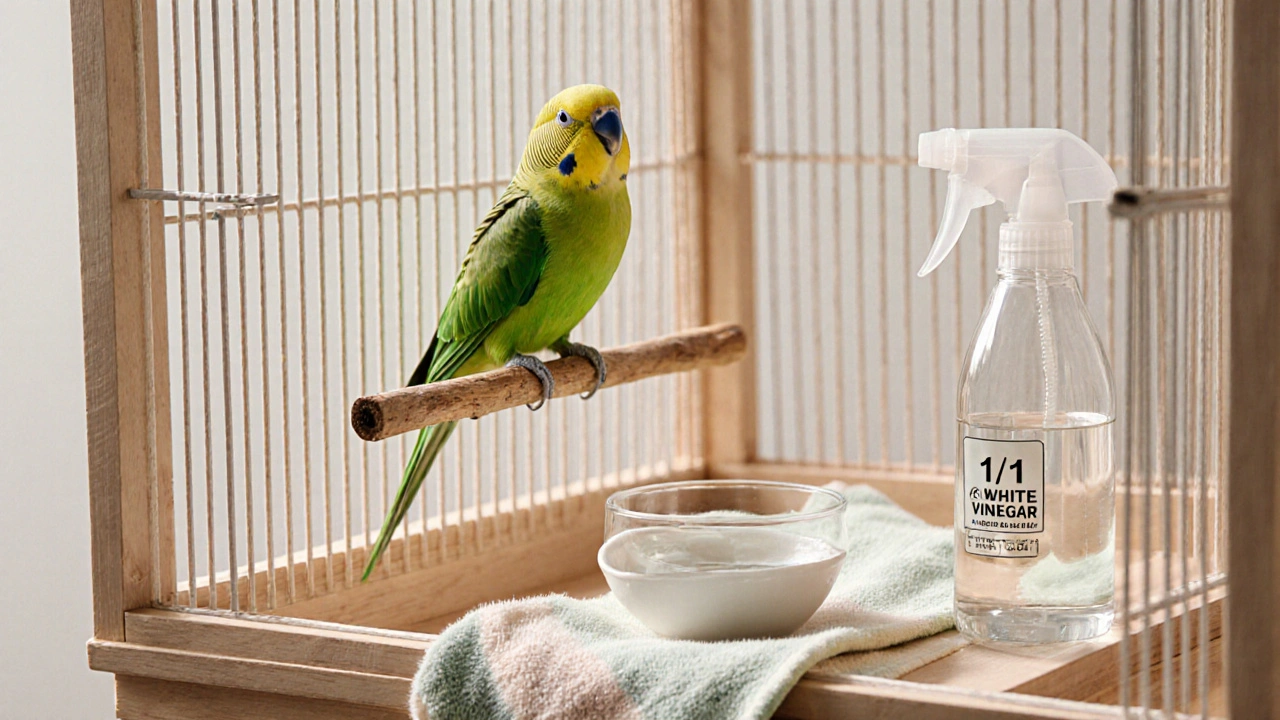
Bird Cage Cleaning Guide: Prevent Deplumation
- Date: 11 Oct 2025
- Categories:
- Author: David Griffiths
Learn practical bird cage cleaning steps, safe solutions, and maintenance tips to keep your bird's feathers healthy and stop deplumation.