Bowel Preparation: What You Need to Know Before a Colonoscopy
When you hear bowel preparation, the process of cleaning out your colon before a colonoscopy to let doctors see clearly. Also known as bowel cleanse, it's not just a chore—it’s the single most important thing you do to make sure your test works. Skip it, or do it half-heartedly, and your doctor might miss polyps, inflammation, or early signs of cancer. That’s why clinics spend so much time explaining it—and why so many people still get it wrong.
Most bowel preparation, the process of cleaning out your colon before a colonoscopy to let doctors see clearly. Also known as bowel cleanse, it's not just a chore—it’s the single most important thing you do to make sure your test works. isn’t about starving yourself. It’s about using specific laxatives for colonoscopy, prescription or over-the-counter solutions designed to flush the colon without causing dehydration or electrolyte imbalance that pull water into your intestines and trigger strong, repeated bowel movements. Common ones include polyethylene glycol (PEG), sodium picosulfate, and magnesium citrate. Each has pros and cons—some taste terrible, others cause more cramping, but all do the same job: clear out everything so your colon looks like a clean pipe. Your doctor picks one based on your health, past experience, and even your schedule.
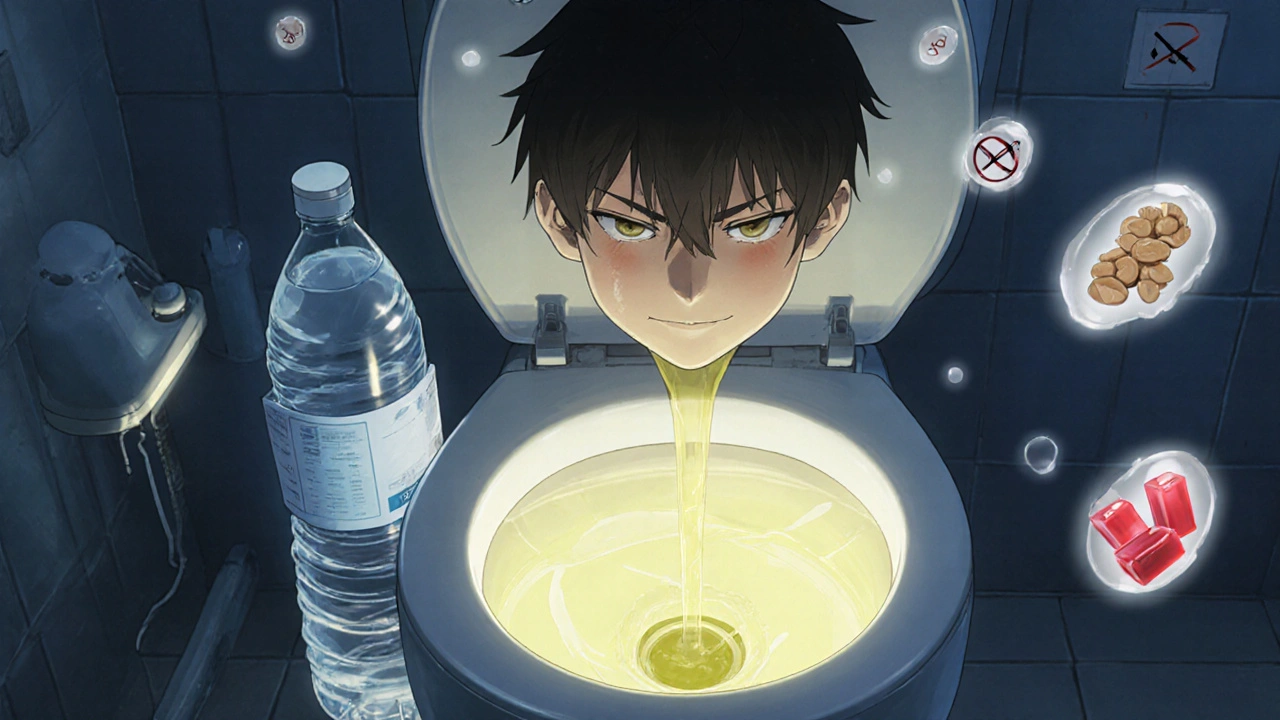
What you do the day before matters just as much as what you drink. You need to stay close to the toilet. You’ll likely be in and out all day. No solid food after noon. Clear liquids only—water, broth, apple juice, black coffee (no cream), sports drinks without red or purple dye. Red or purple liquids can look like blood during the exam and cause confusion. You’ll also need to plan your day around bathroom access. No long drives, no big meetings, no babysitting. This isn’t a suggestion—it’s a requirement. And yes, it’s uncomfortable. But it’s temporary. The alternative? A repeat colonoscopy in six months because the first one was useless.
Some people skip the prep because they’re scared of the side effects. Others think, "I’ll just drink half the solution—it’s not that dirty in there." But your colon isn’t like your stomach. It’s a long, winding tube that holds waste for hours, even days. If even a small patch of stool remains, your doctor can’t see it. And if they can’t see it, they can’t remove a precancerous polyp. That’s why studies show up to 25% of colonoscopies fail to find polyps simply because the prep was poor. That’s not bad luck—that’s preventable.
You’re not alone in hating this part. But here’s the truth: bowel preparation is the only thing standing between you and early detection. It’s not glamorous. It’s not fun. But it’s the most effective way to catch colon cancer before it spreads. And if you’ve had a good experience with a bowel cleaning, the complete removal of fecal matter from the colon using prescribed solutions and dietary restrictions before, you know how much easier it makes the whole process. No guessing. No delays. Just a quick, smooth exam.
Below, you’ll find real advice from people who’ve been through it—how to handle the taste, how to stay hydrated without feeling bloated, what to do if you throw up the solution, and how to make the next prep easier. These aren’t theories. They’re proven tips from patients who got it right—and those who didn’t.
Colonoscopy Prep Tips: Getting a Clear Exam for Accurate Cancer Screening
- Date: 17 Nov 2025
- Categories:
- Author: David Griffiths
Learn how to prepare for a colonoscopy the right way to ensure a clear exam and catch colorectal cancer early. Follow these proven tips for diet, hydration, and laxative timing.