Bathing Tips for Eczema
When you have eczema, a chronic skin condition marked by dry, itchy, inflamed patches. Also known as atopic dermatitis, it’s not just about rashes—it’s about how your skin reacts to everyday things like water, soap, and temperature. Most people think bathing helps, but the wrong way can make eczema worse. The key isn’t to avoid water—it’s to use it right.
Think of your skin like a leaky bucket. Every time you bathe, you’re washing away natural oils that keep moisture in. If you use hot water, harsh soaps, or scrub too hard, you’re poking more holes. That’s why lukewarm baths, water that feels comfortable, not hot are the gold standard. You don’t need to soak for hours—10 to 15 minutes is enough. Keep the water shallow and gentle. Skip bubble baths, bath oils with fragrance, and loofahs. They irritate sensitive skin and strip what little protection you have left.
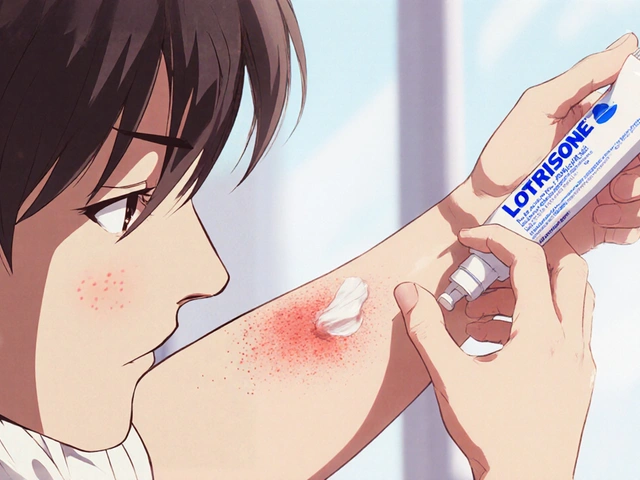
Right after you get out, your skin is still wet. That’s your window. Within three minutes, pat yourself dry—not rub—and slap on a thick moisturizer or ointment. moisturizing after bathing, the act of sealing in hydration immediately after water exposure is the single most effective thing you can do. Creams with ceramides, petrolatum, or glycerin work best. Avoid lotions with alcohol or scent—they dry skin out faster. If your doctor gave you a topical steroid, apply it right after moisturizing, not before. Timing matters.
Some people swear by adding bleach to bathwater. It’s not magic, but it’s science. A tiny amount of household bleach (about half a cup per full tub) can reduce bacteria on the skin that trigger inflammation. Do it only twice a week, never daily. Always rinse off afterward. Don’t try this without talking to your doctor first. Same goes for oatmeal baths—colloidal oatmeal can soothe itching, but it’s not a cure. Use it as a helper, not a replacement.
What you do after the bath matters more than what you do during it. Keep your bathroom humid. Dry air pulls moisture from your skin even faster. A humidifier in your bedroom helps, especially in winter. Wear soft cotton clothes right after bathing. Wool and synthetic fabrics rub and irritate. And if you notice your eczema flares after swimming, rinse off immediately. Chlorine is a common trigger.
You’ll find posts here that dig into how to choose the right cleanser, why some people feel better with vinegar rinses, and how to avoid common mistakes like over-washing or skipping moisturizer because it "feels greasy." These aren’t theories—they’re habits people use daily to live better with eczema. No miracle cures. No expensive gadgets. Just real, repeatable steps that add up over time.

Barrier Repair in Eczema: How Ceramides and Proper Bathing Can Restore Your Skin
- Date: 19 Nov 2025
- Categories:
- Author: David Griffiths
Ceramides restore the skin's natural barrier in eczema by replacing missing lipids. Pair them with lukewarm baths and immediate moisturizing for best results. This isn't just hydration-it's repair.