Anticoagulant Risk & Management Guide
Risk Assessment
Monitoring Priority: Low
Key Precaution: Standard precautions.
Reversal Agent: N/A
The goal isn't to eliminate the risk entirely-that's impossible if you need the medication-but to manage it. Whether you are a patient, a caregiver, or someone managing a chronic condition, understanding how these drugs interact with your body and what happens when things go wrong is the best way to stay safe.
The Different Types of Blood Thinners
Not all blood thinners work the same way. Depending on which one you are prescribed, the risks and the way your doctor monitors you will differ. The most common options fall into three main buckets.
- Vitamin K Antagonists: Warfarin is the classic example here. It works by blocking vitamin K, which your liver needs to make clotting factors. Because it's so sensitive to diet (like eating too many spinach salads) and other meds, it requires frequent blood tests to check your International Normalized Ratio (INR). Most people aim for a range between 2.0 and 3.0.
- Direct Oral Anticoagulants (DOACs): These are the newer, "set-it-and-forget-it" options. Apixaban, Rivaroxaban, Edoxaban, and Dabigatran fall into this group. They target specific clotting proteins (like Factor Xa or Thrombin) and don't usually require the constant blood monitoring that Warfarin does.
- Heparins: These are often used in hospitals for fast action. Heparin and its low molecular weight versions (like Enoxaparin) are usually injected. They are great for acute situations but can carry a rare risk called Heparin-Induced Thrombocytopenia (HIT), where the body actually starts destroying its own platelets.
| Medication Class | Monitoring Needed | Primary Benefit | Main Risk/Drawback |
|---|---|---|---|
| Warfarin | High (Regular INR tests) | Works for mechanical heart valves | Dietary interactions; slow onset |
| DOACs | Low (Renal function checks) | Fixed dosing; no diet limits | Expensive; limited reversal options |
| Heparins | Moderate to High | Rapid action; safe in renal failure | Injection based; risk of HIT |
Who Is Most at Risk for Bleeding?
Everyone on a blood thinner has some risk, but certain factors act like fuel on a fire. If you fall into these categories, your healthcare provider will likely be much more aggressive with monitoring.
Age is a huge factor. People over 75 are roughly two to three times more likely to experience major bleeding events than younger patients. This is often because the blood vessels become more fragile and the body's natural regulatory systems slow down. Then there is kidney health. Since many DOACs are cleared through the kidneys, if your Creatinine Clearance (CrCl) drops, the drug builds up in your system, effectively overdosing you and skyrocketing your bleeding risk.
Another common trap is "dual therapy." This happens when a patient takes an anticoagulant along with an antiplatelet drug (like aspirin). While this is sometimes necessary after a heart stent, it can increase the risk of major bleeding by 50% to 70%. It's a dangerous combination that requires very tight medical supervision.
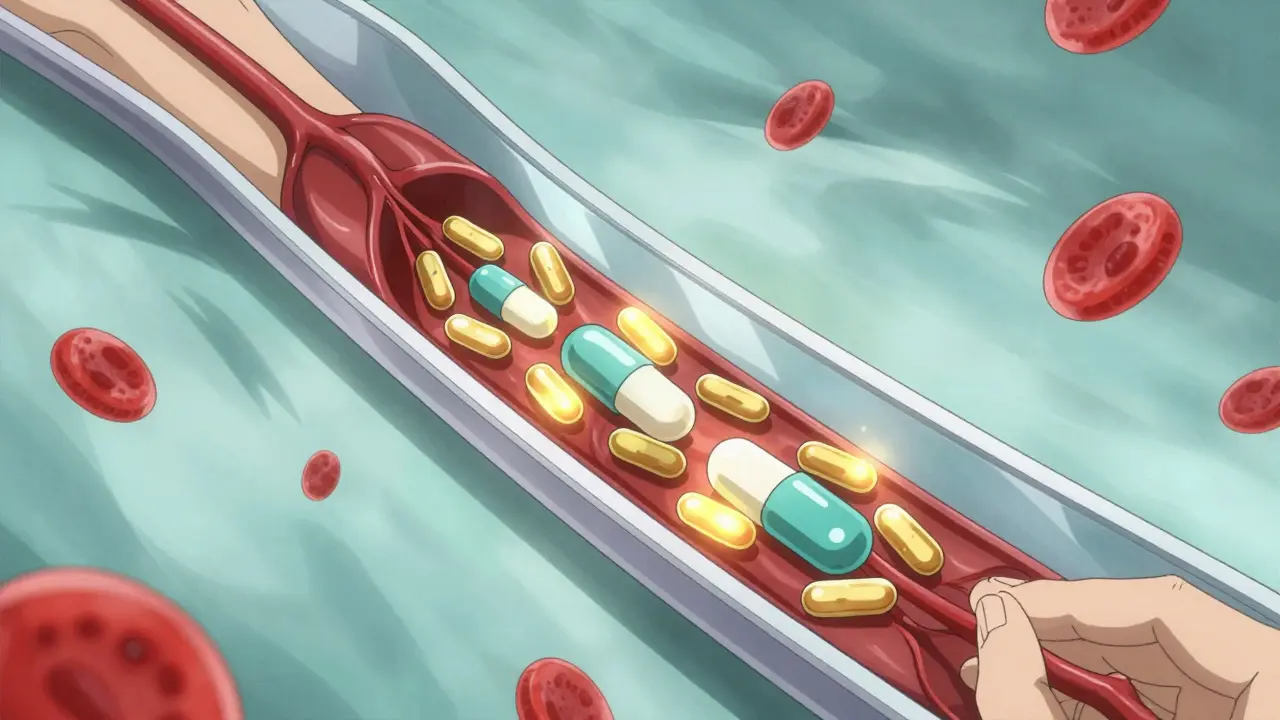
How Doctors Stop a Bleed: Reversal Agents
What happens if someone on a blood thinner has a car accident or needs emergency surgery? They can't just "wait it out" if they are bleeding internally. This is where reversal agents come in-basically, the "antidote" for the blood thinner.
For Warfarin, doctors often use 4-factor Prothrombin Complex Concentrate (4f-PCC). It's much faster than the old method of using plasma; it can correct the clotting time within 15 minutes. They'll also give Vitamin K to help the liver start making new clotting factors.
DOACs are a bit trickier because they are newer. For Dabigatran, there is a specific drug called Idarucizumab. For the Factor Xa inhibitors like Apixaban or Rivaroxaban, there is Andexanet alfa. The problem with Andexanet alfa is the cost-it can run around $13,000 per dose-which means not every hospital has it on hand.
Practical Tips for Hemorrhage Prevention
You don't have to live in fear, but you do have to be proactive. Preventing a hemorrhage is mostly about avoiding the "triggers" that cause bleeding and staying on top of your medical data.
First, keep a strict eye on your kidneys. If you are on a DOAC, your doctor should check your kidney function every 3 to 6 months. If your kidneys aren't filtering the drug properly, you might need a lower dose to avoid thinning your blood too much. For those on Warfarin, the goal is "Time in Therapeutic Range" (TTR). If your INR is only in the safe zone 60% of the time instead of 70%, your risk of a major bleed increases by about 15%.
Second, be mindful of your physical environment. Use a soft toothbrush to avoid gum bleeding, use an electric razor instead of a blade, and avoid contact sports. While these seem like small things, they prevent the "micro-bleeds" that can escalate into larger issues when your clotting is suppressed.
Finally, always tell every single doctor-including your dentist-that you are on an anticoagulant. Many common medications, like ibuprofen (NSAIDs), can irritate the stomach lining and thin the blood further, creating a perfect storm for a gastrointestinal bleed.

The Future of Bleeding Management
We are moving toward a world where we won't have to guess how "thin" someone's blood is. Right now, DOACs lack a simple, cheap way to measure their effect in real-time, unlike the INR test for Warfarin. Researchers are developing point-of-care assays that could give a reading in minutes. This would allow doctors to tweak doses instantly, potentially cutting bleeding events by up to 20%.
There is also work on "universal" reversal agents. Instead of having a different expensive drug for every single anticoagulant, scientists are testing agents like Ciraparantag that could potentially stop the effects of multiple different blood thinners with one shot. This would be a game-changer for emergency rooms where they might not know exactly what a patient is taking.
How do I know if I'm bleeding too much?
Watch for "red flags" like blood in your urine (pink or red), stools that look like black tar, or bruising that appears for no reason and doesn't go away. If you have a nosebleed that won't stop after 10 minutes of pressure, or a severe headache after a bump to the head, seek emergency care immediately.
Can I take aspirin while on a blood thinner?
Only if your doctor specifically tells you to. Combining antiplatelets (like aspirin) with anticoagulants significantly increases the risk of major internal bleeding. If you are prescribed both, your doctor is balancing a very high risk of a clot against a high risk of bleeding, and you'll need closer monitoring.
Does diet affect DOACs like Apixaban or Rivaroxaban?
Generally, no. Unlike Warfarin, DOACs do not have significant interactions with Vitamin K, so you don't need to avoid leafy greens. However, some medications and certain supplements can still interfere, so always check with a pharmacist.
Why is kidney function so important for blood thinners?
Most DOACs are filtered out of your body by the kidneys. If your kidneys are struggling, the medication stays in your bloodstream longer and reaches higher concentrations. This makes your blood "too thin," which increases the likelihood of a hemorrhage.
What is the fastest way to reverse Warfarin?
The fastest method is 4-factor Prothrombin Complex Concentrate (4f-PCC), which can correct the clotting ratio (INR) within about 15 minutes. This is preferred over Fresh Frozen Plasma, which takes longer to prepare and administer.
Next Steps for Safety
If you are starting a new anticoagulant, your first step should be to get a baseline kidney function test (CrCl) and, if applicable, a baseline INR. Create a "medical alert" card or wear a bracelet that lists the specific drug and dose you are taking; in an emergency, seconds matter, and knowing which reversal agent to use can save your life.
For those experiencing mild bleeding, like easy bruising, keep a log of when it happens and any new medications you've started. If you're planning a procedure-even something as simple as a dental cleaning-contact your doctor a week in advance to see if you need to briefly pause your medication.