Kombucha & Medication Safety Checker
Risk Level
Enter your details above to see the potential interaction risk.
Always consult your pharmacist or doctor before combining medications with fermented products.
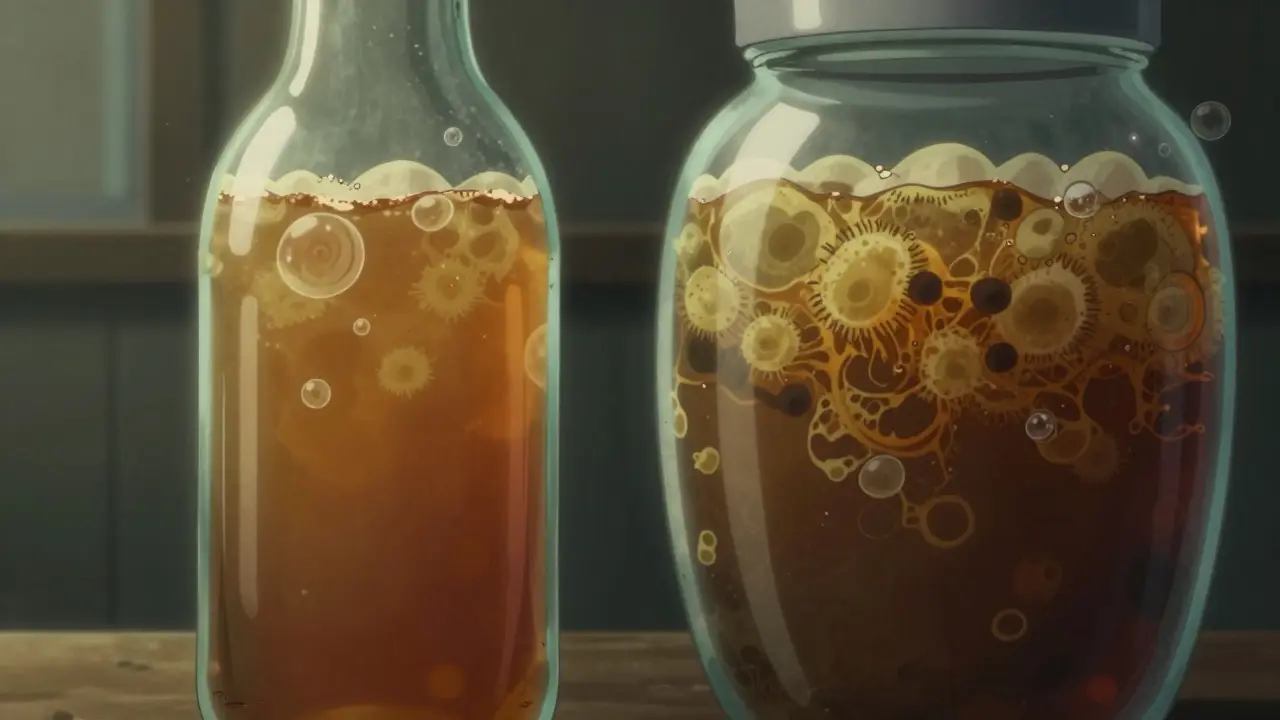
You might think of it as a healthy probiotic tonic, but if you're taking certain prescriptions, that bottle of bubbly tea could be a hidden risk. The problem is that Kombucha is a fermented tea beverage produced through the symbiotic fermentation of sweetened tea by a symbiotic culture of bacteria and yeast (SCOBY) . Because yeast consumes sugar and produces ethanol, alcohol is a natural byproduct of the process. While most commercial brands keep this level very low, the inconsistency between store-bought and home-brewed batches can lead to serious health complications for people on kombucha alcohol content sensitive medications.
The Truth About Alcohol Levels in Your Brew
Not all kombucha is created equal. Depending on where your drink comes from, the alcohol percentage can vary wildly. In the United States, the Alcohol and Tobacco Tax and Trade Bureau (TTB) enforces a strict limit: commercial non-alcoholic beverages must contain less than 0.5% alcohol by volume (ABV). To stay compliant, brands like GT's Kombucha use techniques like membrane filtration or flash pasteurization to keep alcohol levels consistent.
Homebrewing is a different story. Without industrial controls, your kitchen-counter brew is subject to the whims of temperature and time. A 2023 laboratory analysis by Revolution Fermentation found that homebrew samples often ranged from 0.5% to 2.5% ABV. If your fermentation environment hits the sweet spot for yeast-typically between 75-85°F (24-29°C)-the alcohol content can climb much higher than what you'd find in a store-bought bottle. For someone who can tolerate a tiny bit of alcohol but not a full drink, this variability is a dangerous gamble.
| Beverage Type | Average ABV Range | Consistency | Primary Risk Factor |
|---|---|---|---|
| Commercial Kombucha | < 0.5% | High | Labeling gaps |
| Homebrew Kombucha | 0.5% - 2.5% | Low | Temp/Time variations |
| Hard Kombucha | 3% - 8% | High | Intentional fermentation |
| Kefir | 0.2% - 0.8% | Medium | Natural byproduct |
| Sauerkraut | 0.1% - 0.5% | Medium | Lactic acid fermentation |
Which Medications Are at Risk?
Some drugs have a "zero tolerance" policy with alcohol. Even trace amounts can trigger a disulfiram-like reaction, which feels like a massive, sudden hangover including violent vomiting, flushing, and rapid heartbeat. The most notorious example is Metronidazole, a common antibiotic used for UTIs and other infections. There are documented cases where patients drinking homemade kombucha (around 1.8% ABV) while on this medication experienced severe adverse reactions.
It's not just antibiotics. Other medication classes that react poorly to the trace alcohol in fermented tea include:
- CNS Depressants: Benzodiazepines can have their sedative effects amplified by even 0.5% ABV, potentially leading to extreme drowsiness or impaired coordination.
- Diabetes Medications: Drugs like metformin or chlorpropamide can interact with alcohol to increase the risk of hypoglycemia (dangerously low blood sugar).
- Antidepressants: SSRIs (Selective Serotonin Reuptake Inhibitors) like sertraline may cause increased dizziness or lethargy when combined with fermented drinks.
- Cardiovascular Drugs: Certain nitrates used for heart conditions can cause a dangerous drop in blood pressure when combined with alcohol.
The Cumulative Effect Problem
You might be thinking, "It's only 0.5%, how can that possibly matter?" The issue is often cumulative. If you drink two bottles of commercial kombucha a day, you're consistently introducing ethanol into your system. Some health experts point out that daily consumption of 0.5% ABV kombucha can add up to nearly two standard drinks per week. For most people, that's nothing. But for someone whose liver is preoccupied with processing a high-dosage medication, this steady drip of alcohol can interfere with how the drug is metabolized.
This is particularly concerning for adults over 50, who are more likely to be on multiple medications (polypharmacy). When you combine three or four different prescriptions with a daily fermented beverage, the risk of a synergistic interaction increases. It's not just about one drink; it's about the total chemical load on your system.
How to Manage Your Risk
If you love your kombucha but are worried about your meds, you don't necessarily have to quit cold turkey. However, you do need a strategy. The Cleveland Clinic suggests a 48-hour buffer between taking alcohol-sensitive medications and consuming kombucha to ensure the drug is mostly cleared from your system.
For those who brew their own, guessing is not a safe strategy. Investing in a digital alcoholmeter, like the HM Digital HA-520, allows you to see exactly what's in your jar. Be aware that it takes a few batches to get the hang of accurate testing. If you can't test your homebrew, treat it as if it contains 2-3% alcohol-similar to a light beer-and adjust your medication timing accordingly.
When shopping at the store, look for the "Contains Trace Alcohol" label. While the FDA recently mandated this for all commercial brands in 2024, some older stock might still be on the shelves. If a brand provides a QR code for batch-specific alcohol content (like some transparency projects now do), use it. If the label is vague, assume there is alcohol present.
Common Pitfalls to Avoid
One of the biggest mistakes is assuming "non-alcoholic" means "zero alcohol." In the food industry, non-alcoholic usually means "below a certain threshold," not "completely devoid of ethanol." This is a critical distinction when your health depends on a specific chemical balance in your bloodstream.
Another trap is trusting the "natural" label. Just because a drink is organic and probiotic doesn't mean it's inert. Fermentation is a living chemical process. A bottle that sat in a warm warehouse for two weeks might have a higher alcohol content than the same bottle kept in a refrigerated truck. If you notice a stronger "yeasty" or "boozy" smell than usual, put the bottle back and find a fresher one.
Can I drink store-bought kombucha while taking antibiotics?
It depends on the antibiotic. For most, trace alcohol is fine. However, if you are taking metronidazole or tinidazole, you should avoid kombucha entirely, as these drugs can cause severe nausea and vomiting even with tiny amounts of alcohol.
Is homemade kombucha more dangerous for medication users than commercial?
Yes, significantly. Commercial brands are regulated and filtered to stay below 0.5% ABV. Homebrews lack this quality control and can easily reach 2.5% ABV or more depending on temperature and sugar levels, which greatly increases the risk of drug interactions.
Does the alcohol in kombucha affect blood sugar for diabetics?
Yes. Both the alcohol and the residual sugars in kombucha can affect glucose levels. Some diabetes medications, like metformin, can interact with alcohol and potentially increase the risk of hypoglycemia or lactic acidosis in rare cases.
How do I know if my medication is "alcohol-sensitive"?
Check the "Precautions" or "Interactions" section of your medication's patient information leaflet. Look for warnings about ethanol or alcohol. If you're unsure, ask your pharmacist specifically if "trace alcohol in fermented foods" is a concern for your specific dosage.
Can I just boil the kombucha to remove the alcohol?
While boiling would remove the alcohol, it would also kill the probiotics (the beneficial bacteria) that make kombucha desirable. If you need the alcohol gone, you lose the primary health benefit of the drink.
Next Steps for Your Safety
If you're currently taking any of the medications mentioned, your first move should be to list your current prescriptions and bring them to your pharmacist. Ask them to identify which ones are alcohol-sensitive. Don't just ask "Can I drink alcohol?"-ask specifically about fermented foods and trace alcohol.
If you are a homebrewer, start a fermentation log. Track your temperatures and the length of your primary ferment. If you find your batches are consistently hitting the higher end of the alcohol scale, consider shorter fermentation windows or cooler storage temperatures to keep the yeast in check. When in doubt, always prioritize the medication's safety window over a probiotic drink.