
Every year, thousands of people accidentally take too much of a medication - not because they’re trying to get high, but because they lost track of what they took, when, or how much. It happens with painkillers, sleep aids, anxiety meds, even over-the-counter drugs. One extra pill, one missed dose, one mix with alcohol - and it can turn deadly. The good news? A simple medication log can stop that before it starts.
Why Medication Logs Work
Think of your medication log like a GPS for your body. It doesn’t just tell you where you’ve been - it helps you avoid dangerous turns before you take them. Prescription Drug Monitoring Programs (PDMPs) track what doctors prescribe, but they don’t know if you actually took it, crushed it, mixed it with alcohol, or skipped a dose because you felt fine. Your personal log fills that gap. It records what you actually consumed, not what was prescribed.Studies show that people who track their medication use are far less likely to overdose. Why? Because they see patterns. They notice they always feel dizzy after taking two pills at once. They realize they’ve been doubling up on painkillers because they forgot they already took one. They catch themselves mixing opioids with benzodiazepines - a deadly combo that triples overdose risk.
What to Write in Your Log
A good medication log isn’t fancy. It doesn’t need an app. Just a notebook, a phone note, or a printable sheet. But it must include these six things:- Medication name - Use the full name, not just “the blue pill.” Write “oxycodone 10mg” or “alprazolam 0.5mg.”
- Dosage taken - How many milligrams? How many pills? Don’t guess. If you split a pill, write “0.5mg.”
- Time taken - Exact time, not “around 8pm.” Use 24-hour format if it helps: 20:15.
- Reason for taking - “Headache,” “anxiety,” “trouble sleeping.” This helps you spot if you’re using it for the wrong reason.
- Method of use - Swallowed? Crushed? Snorted? Injected? Taking opioids by injection or smoking them increases overdose risk by up to 70% compared to swallowing.
- Other substances taken - Alcohol, benzodiazepines, sleep meds, even cold medicine. Mixing opioids with any depressant is one of the top causes of fatal overdose.
Optional but powerful: Add how you felt afterward. “Dizzy,” “nauseous,” “no pain,” “sleepy for 6 hours.” This helps you understand how your body reacts - and when to stop.
How to Start - Step by Step
Don’t overcomplicate it. Start today.
- Grab a notebook or open Notes on your phone. Keep it where you keep your meds - bathroom counter, bedside table, purse.
- Write down every medication you’re currently taking. Include prescriptions, OTC drugs, supplements, and herbal stuff. Don’t leave anything out.
- Set a daily reminder. Use your phone alarm: “Log meds” at 8am and 8pm. Or tie it to brushing your teeth.
- Enter every dose as soon as you take it. Don’t wait. Memory fades fast. If you forget, write “missed” and move on.
- Review weekly. Every Sunday, look back. Are you taking more than prescribed? Are you mixing drugs? Are you taking pills for reasons you didn’t write down? That’s your red flag.
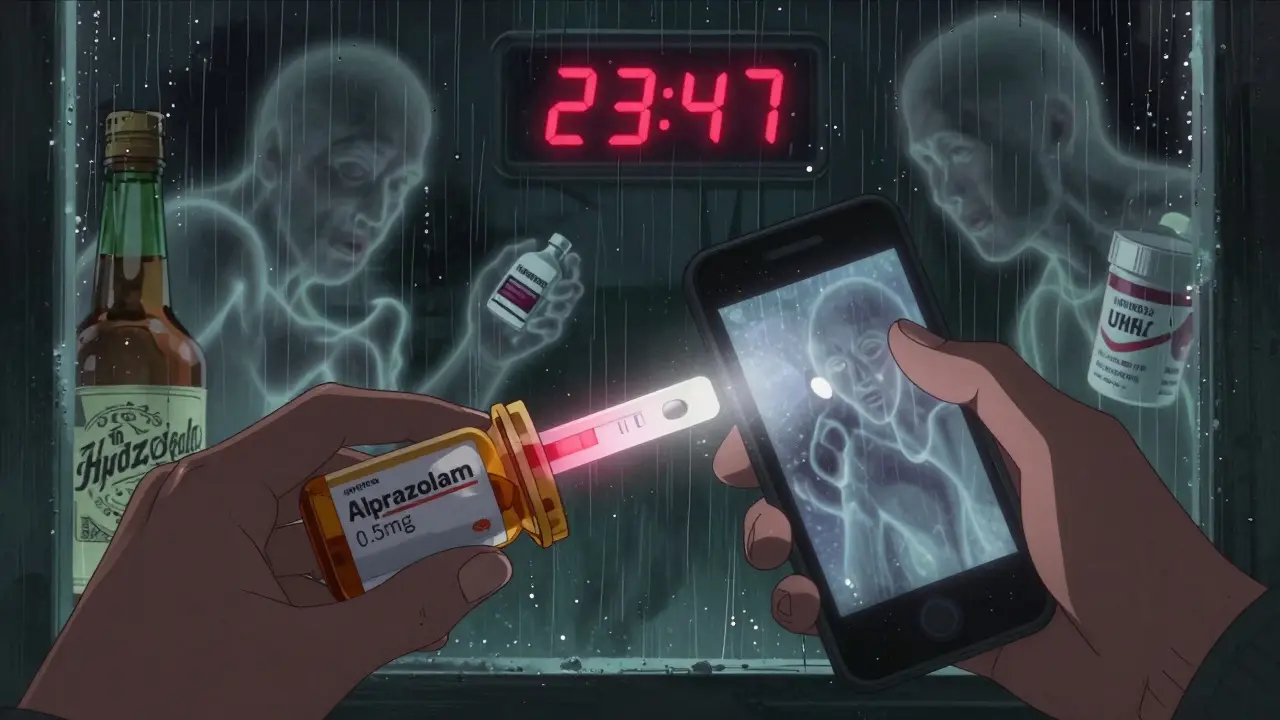
What to Do If You’re Using Illicit Drugs
If you’re using street drugs - heroin, fentanyl, counterfeit pills - your log becomes even more critical. You don’t know what’s in it. Fentanyl is 50 to 100 times stronger than morphine. A single pill can kill.
Here’s how to adapt your log:
- Test every batch. Use fentanyl test strips. Write down the result: “Positive for fentanyl,” “Negative,” “Unclear.”
- Record the source. “Bought from Alex,” “Found in red pill,” “Shared by friend.” This helps you spot dangerous batches.
- Always start with 1/4 of what you think is safe. SAMHSA’s “start low and go slow” rule isn’t optional. If you’re unsure, take a quarter of a pill. Wait 90 minutes. Write it down. Then decide if you need more.
- Never use alone. If you’re logging, share your log with someone you trust. Text them before you use: “Taking 0.25mg at 9pm. If I don’t reply by 10:30, call 000.”
Common Mistakes (And How to Avoid Them)
Most people start a log - then quit after a week. Here’s why, and how to fix it:
- Mistake: “I forget.” Fix: Link logging to a habit you already do - brushing teeth, eating dinner, checking your phone.
- Mistake: “I don’t remember the exact dose.” Fix: Keep pills in a pill organizer with labels. Write the dose on the container.
- Mistake: “I don’t want to admit I’m taking too much.” Fix: Your log isn’t for judgment. It’s for survival. Write honestly. The truth is your best tool.
- Mistake: “I’m not using opioids, so it doesn’t matter.” Fix: Benzodiazepines, sleep meds, muscle relaxers - all can cause overdose when mixed. Even Tylenol can harm your liver if you take too much over time.
When to Share Your Log
Your log isn’t just for you. It’s a lifeline for others.
- With your doctor: Bring it to every appointment. It’s better than saying “I think I took it okay.” They can spot patterns you miss - like doubling up on painkillers because you forgot your last dose.
- With a trusted friend or family member: Give them access. If you’re using drugs, they can check your log if you don’t respond. They’ll know what you took, when, and how much.
- With harm reduction services: Many clinics in Melbourne and across Australia now offer free medication log templates and drug testing. Ask for them.

Digital vs. Paper - Which Is Better?
There’s no right answer. It’s about what works for you.
Paper logs: Simple, no battery, no tech. Easy to carry. Hard to lose. Good if you’re not tech-savvy or worried about privacy.
Digital logs: Apps like Medisafe, MyTherapy, or even a Google Sheet can send reminders, track trends over time, and even export data for your doctor. But they need charging, internet, and you have to remember to open them.
Best option? Use both. Keep a paper log handy, and enter it into your phone at night. That way, you’re covered if you lose your notebook.
Real Impact - Stories That Matter
One woman in Geelong was taking 10mg of oxycodone daily for back pain. She didn’t realize she was also taking a muscle relaxer that had the same effect. Her log showed she was taking 15mg equivalent every day - triple her doctor’s recommendation. She cut back slowly, with her doctor’s help, and avoided a hospital stay.
A man in Ballarat used to take heroin every night. He started logging every dose, test strip result, and time. After two weeks, he noticed he was using more because the pills were weaker. He reached out to a needle service, got clean supplies, and started on a treatment program. He’s been sober for 11 months.
These aren’t rare cases. They’re what happens when someone takes control - not by willpower, but by tracking.
What Comes Next
Medication logs aren’t a cure. They’re a shield. They won’t stop addiction. But they can stop death.
As more health systems recognize the power of patient-led data, logs like this may soon be part of official care plans. Right now, they’re your most powerful tool - free, simple, and entirely under your control.
Start today. Write down what you took. Right now. Even if it’s just one line. That’s the first step to staying alive.
Can I use a regular notebook for my medication log?
Yes. A simple notebook works perfectly. What matters isn’t the format - it’s consistency. Write the medication name, dose, time, and any other substances taken every time you use something. Keep it where you can see it, like your bathroom counter or bedside table. No app needed.
What if I forget to log a dose?
Don’t panic. Just write “missed” next to the time you think you forgot. Don’t try to guess or backdate. Honesty matters more than perfection. The goal isn’t to have a perfect record - it’s to spot patterns. If you miss a few doses, you’ll still see if you’re taking more than usual over time.
Do I need to log over-the-counter drugs too?
Yes. Many people don’t realize that OTC meds like diphenhydramine (Benadryl), sleep aids, or even cough syrups can interact dangerously with prescription drugs. They can cause drowsiness, breathing problems, or liver damage when mixed. Include every pill, liquid, or patch you take - even if you think it’s harmless.
Can a medication log help if I’m using street drugs like fentanyl?
Absolutely. Fentanyl is unpredictable - one pill can be safe, the next can kill. Logging each dose, test strip result, and time helps you spot dangerous trends. If you test a batch and it’s positive for fentanyl, write it down. If you take a smaller dose after that, write it. Over time, you’ll see what’s safe for you - and when to stop.
Should I show my log to my doctor?
Yes. Bring it to every appointment. Doctors rely on what you say - but memory is unreliable. A written log gives them real data. It helps them adjust doses safely, spot dangerous combinations, and avoid prescribing something that could hurt you. It’s not a confession - it’s a safety tool.
Is there a free app for medication logging in Australia?
Yes. Apps like Medisafe and MyTherapy are free and available on iOS and Android. They send reminders, track doses, and can export reports for your doctor. But if you don’t trust apps or don’t have a smartphone, paper works just as well. The best app is the one you’ll actually use.
What if I’m afraid someone will judge me for my log?
Your log is for your safety - not for anyone else’s opinion. If you’re worried about judgment, keep it private. Only share it with people who help you stay alive: your doctor, a trusted friend, or a harm reduction worker. No one has the right to shame you for trying to survive. Your life matters more than their assumptions.






Just started logging my meds in Notes. Took oxycodone 5mg at 14:30 for back pain. No alcohol. Already caught myself almost doubling up. This works.