
The Science of the Sneeze: What's Actually Happening?
To fight pet allergies, you first have to understand the enemy. Your body isn't reacting to the hair itself, but to specific proteins. For cat owners, the main offender is Fel d 1, a protein produced in the sebaceous glands and saliva. For dog owners, it's usually Can f 1. These proteins are incredibly persistent. They can stay airborne for hours and stick to surfaces for months. In fact, research shows that dander can linger in household dust for up to six months even after a pet has left the building. This is why simply "getting rid of the dog" doesn't always provide immediate relief; the house itself is often saturated with these proteins.Creating a Sanctuary: The Power of Pet-Free Zones
If you only have the energy for one major change, make your bedroom a fortress. Designating the bedroom as a pet-free zone is one of the most effective ways to manage symptoms. When you sleep, you spend six to eight hours in a confined space; if your pet sleeps on the bed, you're inhaling a concentrated dose of allergens all night. By keeping the bedroom door closed, you can reduce nighttime symptoms by up to 40%. This allows your respiratory system to recover while you sleep, meaning you'll wake up feeling less congested and more alert. If you can't fully banish your pet from the room, at least keep them off the pillows and sheets, and use allergen-proof covers on your mattress and pillows.Upgrading Your Gear for Maximum Dander Capture
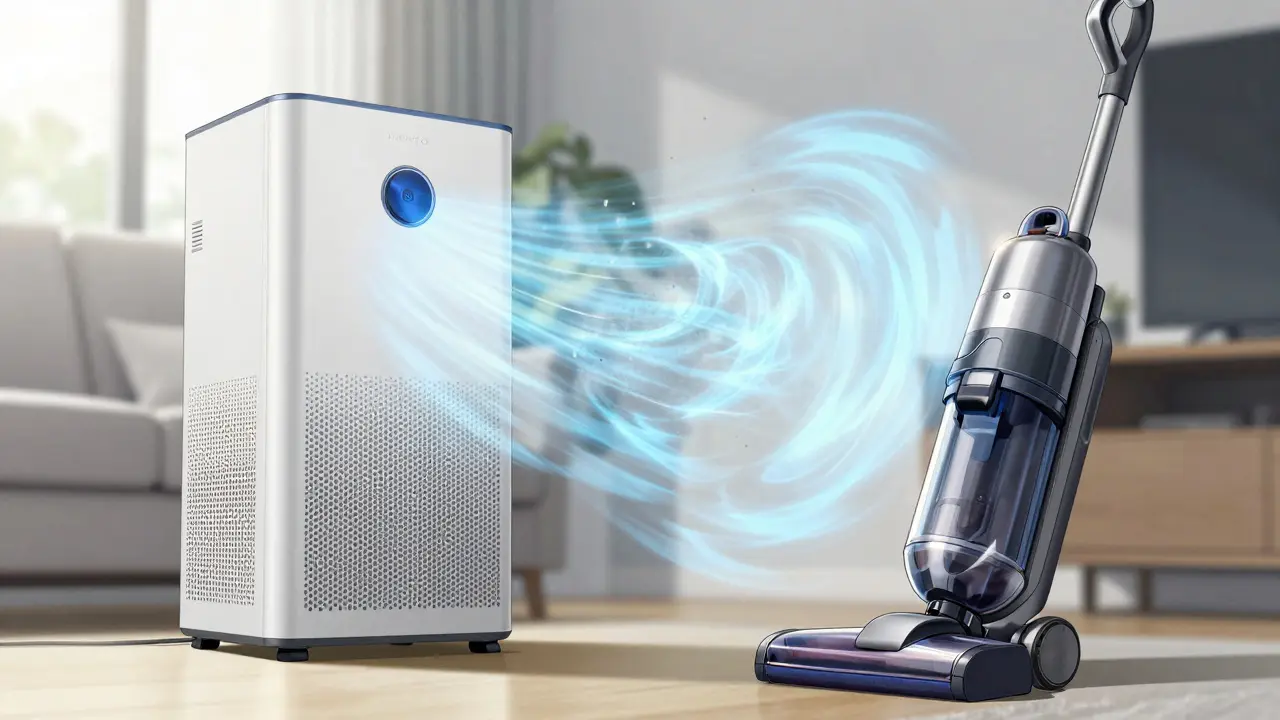
Standard cleaning tools often do more harm than good. A basic vacuum might pick up the big clumps of hair, but it often blows the microscopic dander right back into the air. To actually remove the allergens, you need a HEPA Filter (High-Efficiency Particulate Air). True HEPA filters are designed to trap 99.97% of particles as small as 0.3 microns. This is a game-changer because pet dander is exactly the kind of tiny, sticky particle that slips through standard filters. Using a HEPA vacuum can be 30-50% more effective at capturing dander than a traditional model. Similarly, a standalone HEPA air purifier in your main living area can slash airborne allergen concentrations by 40-60%.| Strategy | Estimated Impact | Primary Benefit |
|---|---|---|
| HEPA Vacuuming | 30-50% Increase in Capture | Removes settled dander from carpets/rugs |
| Air Purifiers (True HEPA) | 40-60% Reduction | Clears airborne proteins and floating dander |
| Hard Flooring (vs Carpet) | 50-75% Less Dander | Prevents dander from becoming "trapped" in fibers |
| Pet-Free Bedroom | ~40% Symptom Reduction | Improves sleep quality and nighttime breathing |
A Practical Maintenance Routine
Consistency is the only way this works. If you clean once a month, the dander just builds back up. You need a system that manages the "allergen load" daily.- Vacuum 2-3 times weekly: Focus on high-traffic areas and under furniture where dander accumulates.
- Wash bedding weekly: Use hot water-at least 130°F (54°C)-to effectively neutralize the proteins.
- Bathe your pet: Weekly baths can significantly reduce the amount of dander they shed. While cats are notoriously difficult to bathe, using allergen-reducing shampoos can help.
- Daily lint rolling: Spend a few minutes rolling your clothes and the sofa. This can remove 70-85% of surface dander before it becomes airborne.
- Wash your hands: Always wash your hands immediately after petting your animal. This simple act reduces the amount of allergen you accidentally transfer to your eyes and nose by 90%.
The Truth About "Hypoallergenic" Breeds
You've likely heard people brag about their "hypoallergenic" Poodle or Siberian cat. Here is the hard truth: no dog or cat breed is truly hypoallergenic. Every single mammal with fur or skin produces dander and proteins. What people actually mean is that some breeds shed less hair, which means they spread *less* dander around the house. However, some low-shedding dogs can actually produce more potent allergens than heavy shedders. It's more about the individual animal's biology than the breed. If you're looking for a new pet, the best move is to spend an hour with that specific animal before bringing it home to see how your body reacts.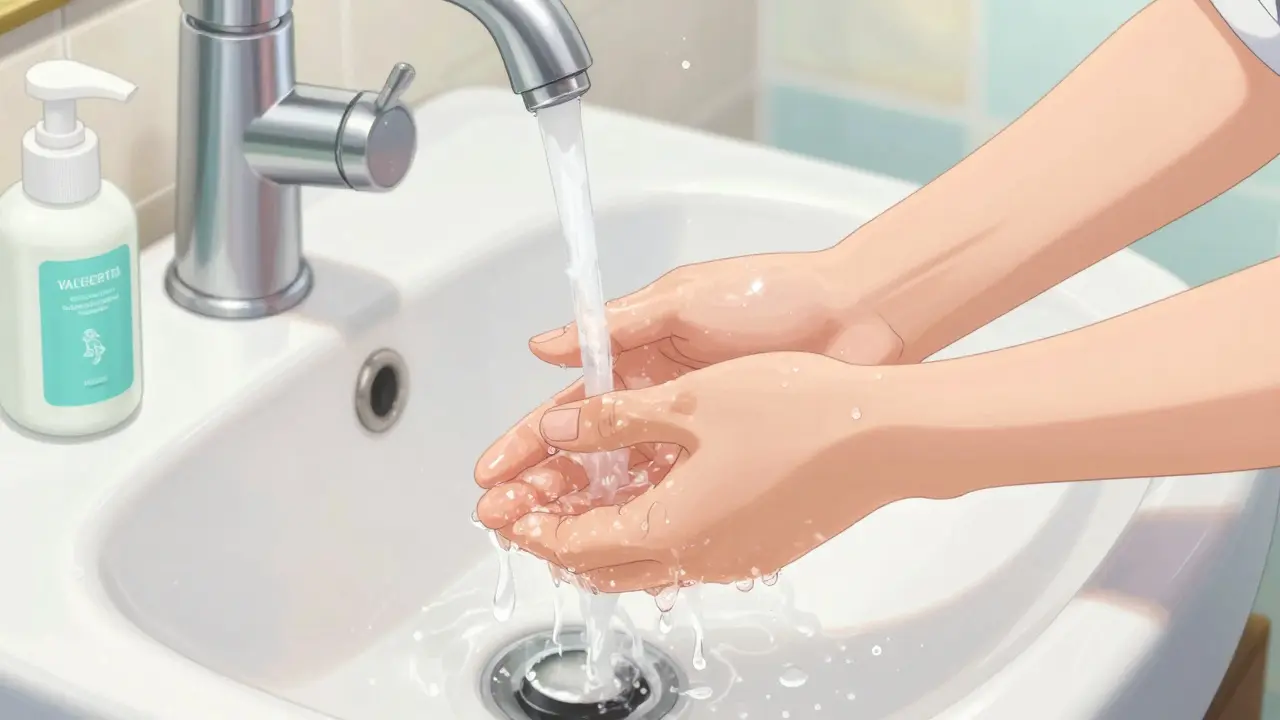
Medical Management and Long-Term Relief
Environmental controls are the foundation, but sometimes you need a medical boost. For mild symptoms, over-the-counter Antihistamines work for about 60-70% of people, providing relief within an hour. These are great for "emergency" flare-ups but don't solve the underlying problem. For those who want a more permanent solution, Immunotherapy (allergy shots) is the gold standard. By exposing your body to tiny, increasing amounts of the allergen, you essentially "train" your immune system to stop overreacting. This has a long-term effectiveness rate of 80-85% for patients who complete a 3-5 year course. For cat owners who hate needles, new options like sublingual tablets (placed under the tongue) are now available and offer similar efficacy.Can I really get rid of all pet dander?
No, complete elimination is impossible as long as the pet is in the home. However, using HEPA filters, frequent bathing, and pet-free zones can reduce the measurable allergen load by 50-70%, which is usually enough to stop most symptoms.
Do air purifiers actually work for pet allergies?
Yes, but only if they use a "True HEPA" filter. Cheap filters or ionic cleaners often don't capture the tiny, sticky proteins of pet dander. A properly sized HEPA purifier can reduce airborne allergens by 40-60%.
How often should I bathe my pet to help my allergies?
Once a week is the recommended frequency. This removes the accumulated dander and saliva from the fur, preventing it from shedding into your environment. If your pet hates water, try hypoallergenic wipes as a partial alternative.
Are hypoallergenic breeds a scam?
Not exactly a scam, but they are often misunderstood. These breeds shed less hair, which carries less dander into the air. However, they still produce the allergenic proteins. You can still be highly allergic to a Poodle or a Sphynx cat.
What is the fastest way to reduce symptoms during a flare-up?
The fastest relief comes from a combination of taking a fast-acting antihistamine, using a saline nasal spray to clear your sinuses, and moving to a room with an active HEPA air purifier.