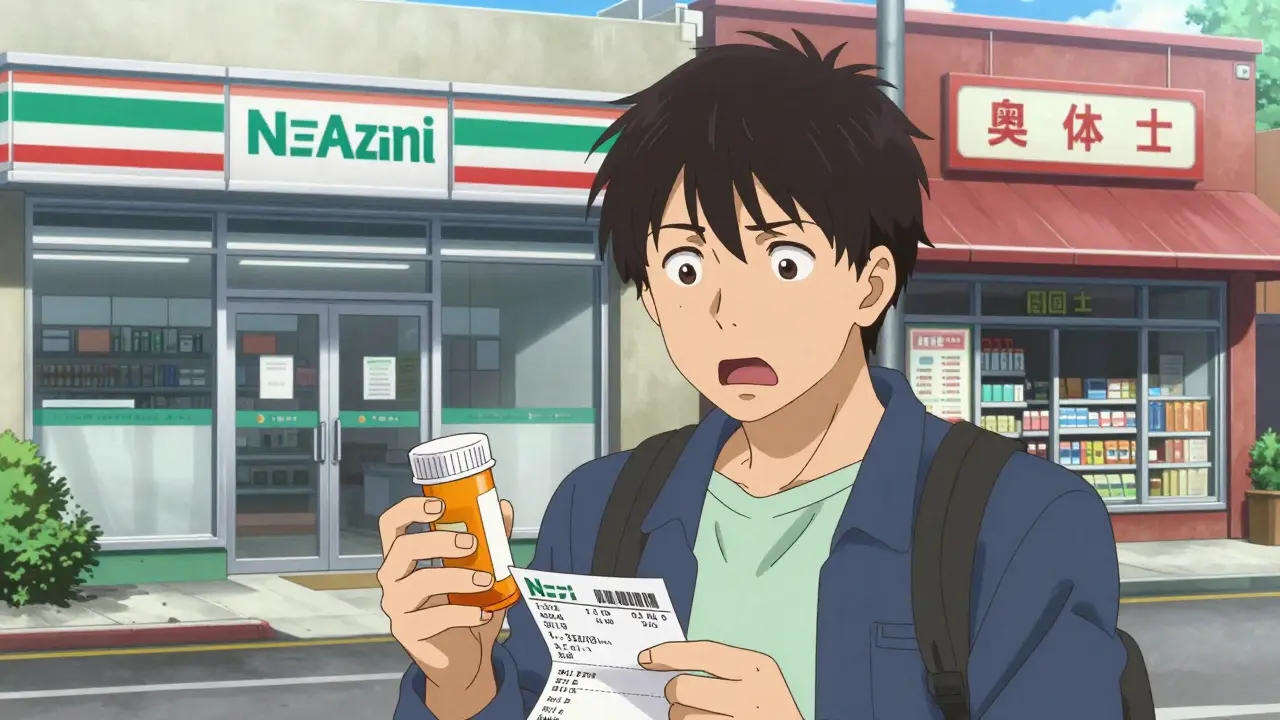
Imagine walking into a pharmacy and paying $140 for a bottle of Atorvastatin, only to find out the drugstore two blocks away sells the exact same generic medication for $4.50. It sounds like a glitch, but it happens every day. In the United States, the price of the same drug can vary by hundreds of percent depending on which counter you stand at. For anyone dealing with high-deductible health plans or paying out-of-pocket, the "sticker price" at your local pharmacy isn't a fixed cost-it's a negotiation starting point.
Quick Tips for Lowering Your Drug Costs
- Always ask for the cash price before handing over your insurance card.
- Cross-reference three discount apps (like GoodRx, RxSaver, and WellRX) to find the lowest coupon.
- Prioritize supermarket pharmacies over national chains for generics; they often have significantly lower margins.
- Check non-profit mail-order options if you meet income requirements.
- Build a relationship with an independent pharmacist for potential unadvertised discounts.
Why Medication Prices Vary So Much
You might wonder why a simple pill has such wildly different prices. It comes down to how pharmaceutical companies and pharmacies play the market. Pharmaceutical Manufacturers is the entity that produces drugs and sets pricing based on the bargaining power of the buyer. They use profit-maximizing strategies, meaning they charge different prices based on who is buying and how much that person is willing to pay.
Then there are the intermediaries. Pharmacy Benefit Managers (or PBMs) is third-party administrators that negotiate rebates with manufacturers and set the formularies for insurance plans. PBMs often secure rebates of 30% to 50% for brand-name drugs, but these savings rarely trickle down to you at the pharmacy counter. This creates a fragmented market where the "cash price" is essentially whatever the pharmacy decides it needs to be to stay competitive or profitable.
The Strategy: How to Shop Pharmacies Like a Pro
To get the lowest price, you need to move away from the "one-and-done" approach of using a single pharmacy. Start by treating your medication like any other retail purchase. You wouldn't buy a TV without checking a few stores; your health shouldn't be any different. Use a cash price on medications strategy to bypass the complex insurance middleman.
First, request the undiscounted cash price. Many people are shocked to find that the cash price is actually cheaper than their insurance copay, especially if they haven't met their yearly deductible. Once you have that baseline, move to digital tools. GoodRx is a pharmacy discount platform that aggregates pricing data from over 70,000 pharmacies to provide coupons for consumers. While GoodRx is the most popular, don't rely on just one app. Comparing GoodRx with RxSaver and WellRX can reveal hidden gems, as different platforms have different contracts with various pharmacy chains.
| Pharmacy Type | Average Margin (Per Rx) | Relative Cost (Discounted) |
|---|---|---|
| Supermarket Pharmacy | $4.71 | Lowest (Approx. 48% of National Chains) |
| Mass Merchandiser | $5.84 | Low |
| National Chain | $12.68 | High |
| Analytical Pharmacy | $15.67 - $16.56 | Highest |

Generics vs. Brand Names: Where the Savings Live
The ability to save money depends heavily on what you're taking. If you're using Generic Medications, which are pharmaceutical drugs that are chemically identical to brand-name drugs but sold without the brand name, your savings potential is massive. For common generics, comparing pharmacies can slash your costs by 50% to 90%.
Brand-name drugs are a different story. Because manufacturers hold patents, they have more control over the price, and pharmacies have less room to offer discounts. You'll find that a GoodRx coupon for a brand-name drug often provides a much smaller percentage of savings compared to a generic. If you're stuck with a brand-name medication, ask your doctor if there is a "therapeutic alternative"-a different drug in the same class that might have more generic competitors and therefore lower prices.
Alternative Routes: Mail-Order and Non-Profits
If local pharmacies are still too expensive, look toward specialized mail-order services. For those with lower incomes, RXOutreach.com is a non-profit pharmacy providing generic medications at cost to patients with household incomes at or below 300% of the federal poverty level. This can be a lifesaver for people who earn too much for Medicaid but not enough to easily afford chronic medication.
For those on Medicare, the rules change slightly. Between October and December, you should review your plan options. Using "preferred pharmacy networks" can often knock another 15% to 25% off your costs. Keep in mind that starting in 2025, the Inflation Reduction Act caps out-of-pocket costs at $2,000 annually, but that doesn't mean you should stop shopping. You can still save hundreds of dollars by finding the cheapest source for your meds before you hit that cap.
Common Pitfalls to Avoid
Shopping for meds isn't without its hiccups. One common issue is the "price mismatch." You might see a price on an app, but when you get to the counter, the pharmacist tells you it's higher. This usually happens because pharmacy pricing updates frequently. If this happens, politely ask the pharmacist to double-check the price or see if they can match a nearby competitor.
Another mistake is ignoring the local independent pharmacy. While the big chains have the fancy apps, small independent pharmacies often have more flexibility. They might offer unadvertised discounts to regular customers just to keep their business. A quick conversation with your pharmacist about your budget can sometimes lead to a price that no app can beat.
Does using a discount coupon count as insurance?
No. Discount coupons from apps like GoodRx are not insurance. They are negotiated rates. This means you cannot "double-dip" by using both a coupon and insurance for the same prescription. You must choose the one that gives you the lowest price.
Are generic drugs as effective as brand-name drugs?
Yes. The FDA requires generic drugs to have the same active ingredient, strength, dosage form, and route of administration as the brand-name drug. They are designed to provide the same clinical benefit.
How often should I re-check prices for my maintenance meds?
Pharmacy prices can fluctuate monthly. It's a good idea to check your discount apps every 30 to 90 days, especially for expensive medications, as new contracts between pharmacies and discount platforms can change the cheapest option.
What should I do if my doctor prescribes a drug that is too expensive?
Be honest with your doctor. Tell them you are paying cash and the cost is prohibitive. They can often switch you to a more affordable generic alternative or provide you with a manufacturer's copay card if a generic isn't an option.
Can I transfer my prescriptions between pharmacies to get a better price?
Yes. You can call the new pharmacy and ask them to transfer the prescription from your old one. They handle the paperwork for you, and you don't need to visit your doctor again.
Final Steps for Your Next Refill
If you're starting this process for the first time, don't feel overwhelmed. Spend 15 minutes this week auditing your current medications. Open a few of the apps mentioned, check your local supermarket pharmacy, and compare them to what you're currently paying. Whether you save $2 or $200, that's money back in your pocket for things that actually improve your quality of life.