Why Your Pills Might Look Different
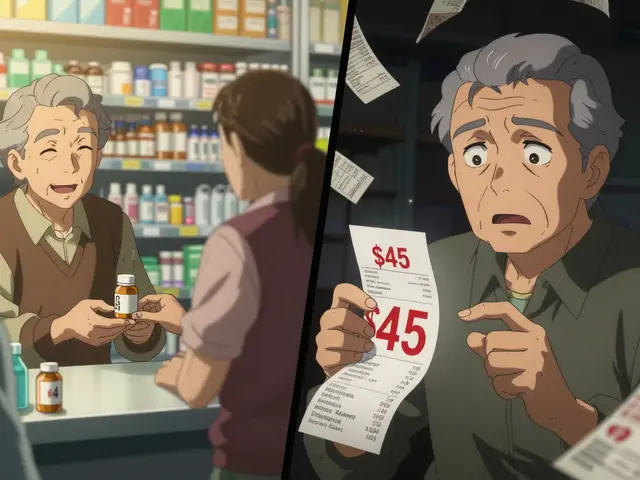
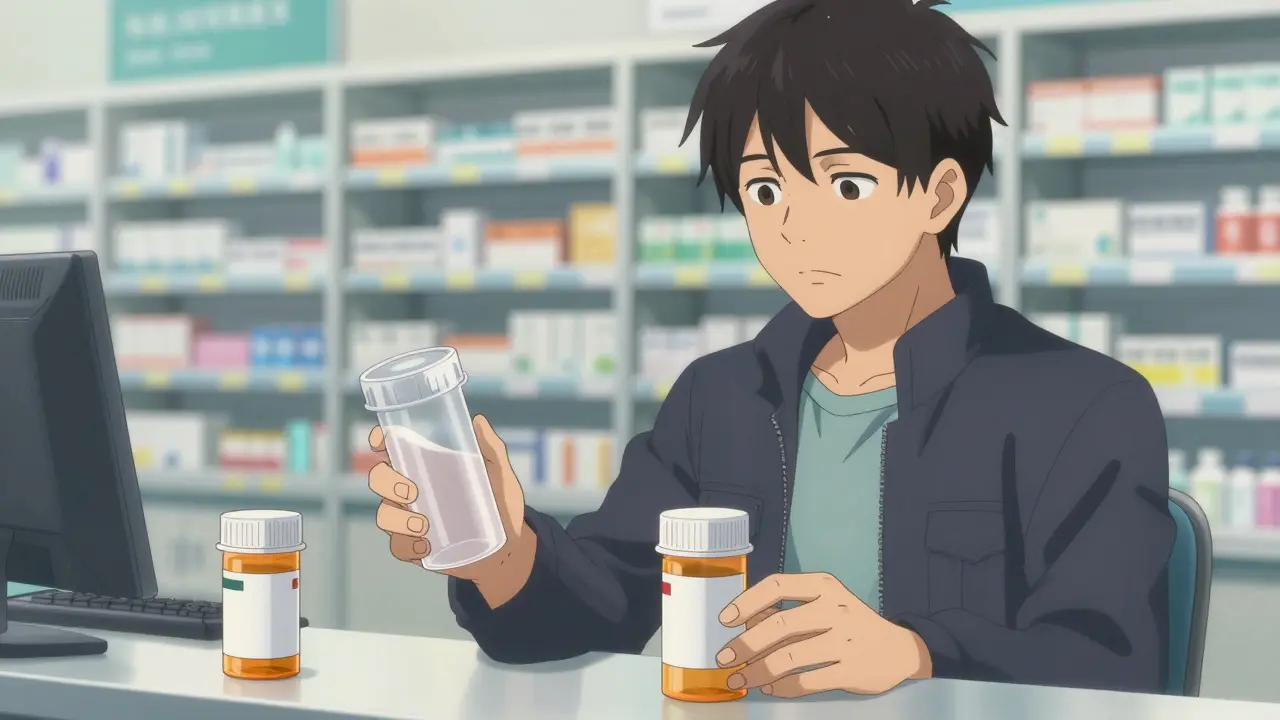
You walk into your local chemist in Melbourne to pick up a refilled script, and something feels off. The bottle looks the same, but the pills inside have changed color or shape. It happens more often than you think. This confusion isn't just about annoyance; it's a genuine safety issue. Prescription labels are the critical interface between you and your medication safety, yet they are often overlooked.
The reason behind these visual changes usually boils down to one thing: generic substitution. In modern healthcare, generic medication contains the same active ingredients as brand-name drugs but costs less. Manufacturers cannot copy the brand-name drug's exact appearance. So, when your pharmacy sources your medicine from a different supplier, the tablet's size, shape, and color change, even though the chemical makeup remains identical. Statistics suggest that nearly 90% of prescriptions now fill this category, meaning most patients experience these variations regularly.
The Essential Label Check Checklist
Comparing your new prescription label with your old one shouldn't be a guesswork exercise. You need a systematic approach to ensure nothing has gone wrong during the refill process. Start by grabbing your empty bottle or last month's package. Place the two side-by-side.
First, verify the basics. The Rx# (unique identifier) acts as the serial number for your specific treatment plan. If this number changes without a new doctor's order, something might be amiss. Next, check the patient name. It sounds obvious, but mix-ups happen, especially in busy community pharmacies. Ensure the spelling matches exactly. Then, move to the heart of the matter: the active ingredient is the specific chemical component responsible for the therapeutic effect. The scientific name, not just the brand name, must match. If your old label says 'Lisinopril 10mg' and the new one says 'Amlodipine 5mg', stop immediately.
- Rx Number: Should remain consistent for repeat fills unless re-issued.
- Patient Name: Must be spelled identically to avoid dispensing errors.
- Dosage Strength: Verify milligrams (mg) are exactly the same.
- Manufacturer: Note the company name; changes here explain pill appearance shifts.
- Date Dispensed: Ensures you aren't getting an old stock or expired batch.
When Appearance Differences Matter
Not all medications react well to manufacturing changes. While most generics are bioequivalent-meaning they work the same way in your body-some fall into a high-risk category known as narrow therapeutic index drugs. These include blood thinners, antiseizure medicines, and thyroid hormones. For these specific treatments, a tiny variation in absorption could affect your health outcome significantly.
If you are on these sensitive medications, you might want to ask your pharmacist to stick with one specific manufacturer whenever possible. You don't need to demand the brand name, but consistency helps. Research indicates that small formulation differences among generic versions can sometimes alter how a person responds to the drug. This isn't about fear-mongering, but about understanding that your body is unique. If your pills change, and you feel a difference in your energy levels or symptom control, document it and talk to your doctor before continuing.
Decoding the Fine Print
Beyond the bold font, the fine print on the label tells the full story. Look for the 'Mfg' (Manufacturer) field. Seeing a name like 'ACCORD HEALTHCARE' on one bottle and 'TEVA PHARMACEUTICALS' on the next explains why the pills look different. It confirms the pharmacy switched suppliers. As long as the active ingredient and strength match, this is normal.
Paying attention to the quantity and refill status is also vital. If the label says '2 repeats remaining' but you remember having three left, there might have been a system update or a partial fill that wasn't recorded correctly. This discrepancy affects your access to future doses. Also, check the 'date last dispensed.' While expiry dates aren't always mandatory on every label in all jurisdictions, knowing how long you've had the supply prevents taking out-of-date medicine. Always cross-reference the date on the label with the physical state of the bottle.
Using Digital Tools for Verification
Your eyes aren't the only tool available to you. Modern technology bridges the gap when a pill looks unfamiliar. The Pill Identifier is a digital database used to confirm medication identity based on shape, color, and imprint tools are widely accessible. Most health authorities and major medical sites host these databases. They allow you to search by imprint (the letters stamped on the pill), color, or shape.
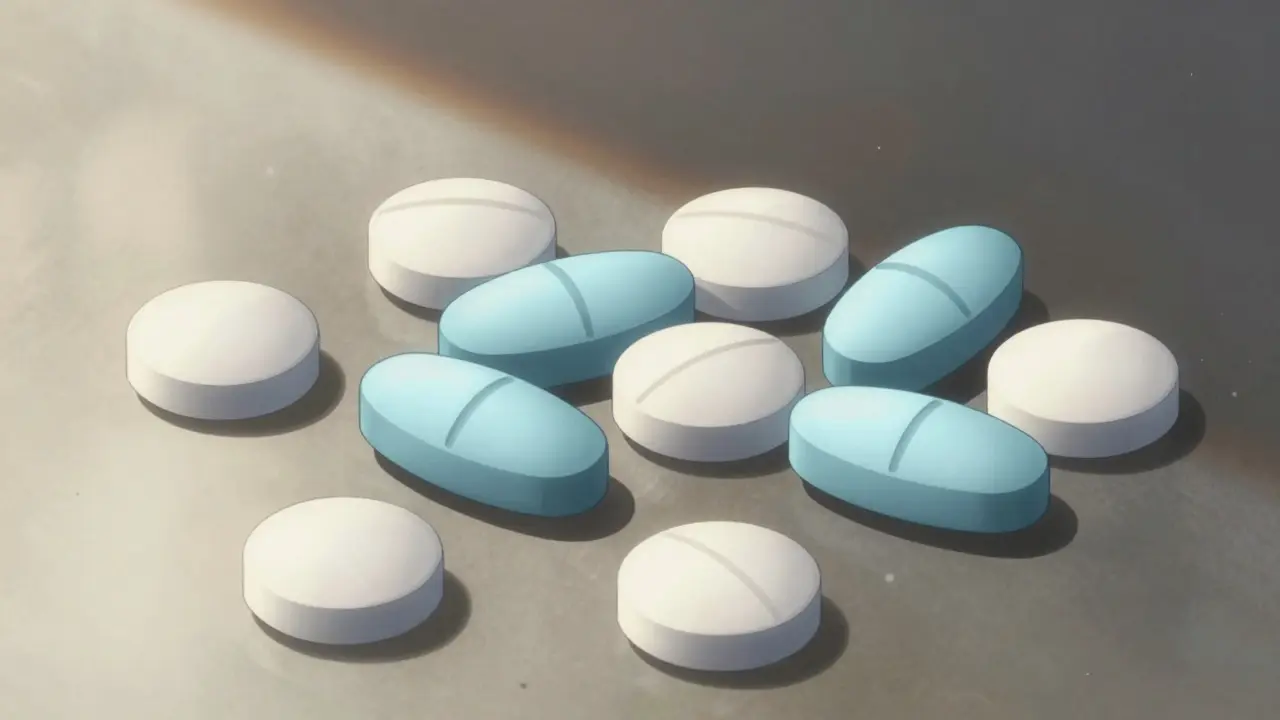
For example, if your usual white round tablet turns blue, you can input 'blue' and 'round' into the tool alongside the drug name. It will show you the likely manufacturer and confirmation that this variation is safe. This step adds a layer of confidence, especially when travelling or picking up scripts at a new location. Some mobile apps even use AI to scan the tablet physically, giving you an instant ID. Using these resources removes the guesswork from the verification process.
Red Flags That Demand Action
There are specific scenarios where a label mismatch signals a real problem requiring immediate intervention. A mismatched active ingredient is the biggest red flag. If you take both the old and new bottles thinking they are the same, you risk double-dosing. Another danger sign is an unexpected change in the frequency instructions. Going from 'Take once daily' to 'Take twice daily' without a consultation is unsafe.
Faulty packaging is another concern. If the new bottle feels loose, damp, or unlabeled compared to the previous tight seal, the integrity of the medicine might be compromised. Furthermore, do not ignore your own body. If the new pills look different and you feel worse after switching brands, report it. Patient observations contribute to the broader safety data. Keep the old and new bottles together when calling your pharmacist or GP so they can see exactly what you are taking.
Preventing Confusion Before You Leave
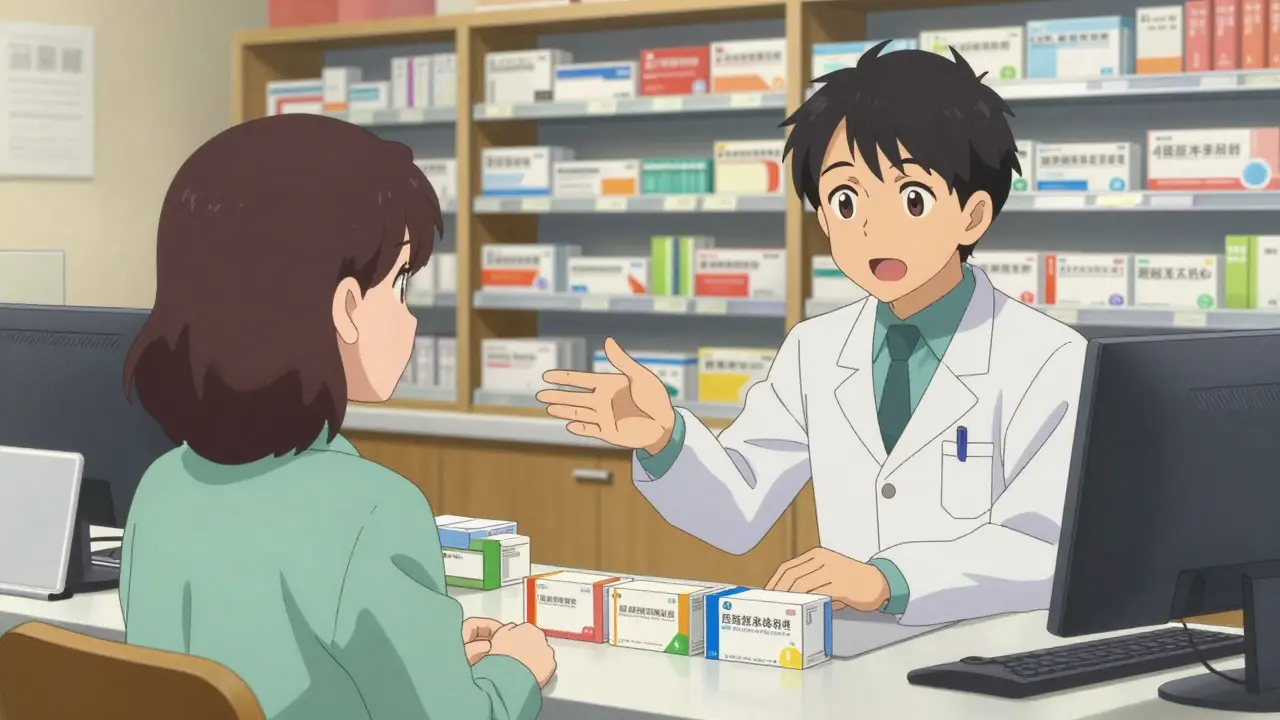
The best time to catch an error is at the counter. Before handing over the cash, pull out your phone or old bottle. Ask the pharmacist, "Can you confirm this is the same as my last refill?" Pharmacists appreciate this proactive check. It opens a dialogue rather than assuming everything is right. Many automated systems now barcode prescriptions to import details directly, reducing handwriting errors, but human oversight is still necessary.
Maintain a personal medication list. Apps can help, but a simple paper record with photos of your pills helps immensely. Snap a picture of your pill bottle on your phone. When you get the refill, glance at the photo. If the pills look drastically different, pause. This simple habit builds a habit of verification. Remember, safety isn't just the doctor's responsibility; it is a shared partnership. Taking a few minutes to compare your new prescription label with your old medication protects your health and ensures the treatment plan stays on course.
Is it safe to switch between generic manufacturers?
For most medications, yes. Regulations require generic drugs to contain the same active ingredients and strength. However, for narrow therapeutic index drugs like blood thinners or seizure meds, staying with one manufacturer can reduce variability risks.
What is the most important part of the prescription label to check?
The active ingredient and dosage strength are critical. Ensure the chemical name and milligram amount match your previous prescription exactly. Visual appearance can legally change due to manufacturer differences.
Why do my pills look different each time I fill?
Pharmacies often rotate suppliers to manage inventory and costs. Generic manufacturers cannot copy the brand-name design, so they produce different shapes, colors, or sizes for the same active ingredient.
How can I identify a pill if I lose my label?
Use a trusted online Pill Identifier tool. Search using the imprint (letters on the pill), color, and shape. Never guess based on appearance alone, as many drugs look identical.
Should I throw away the old bottle?
Keep the old bottle until you are certain the new one is correct. It serves as a reference point for comparing ingredients, strengths, and pill appearance during the switch.