Every year, over 1.3 million people end up in emergency rooms because of medication errors. A big part of that? Drug Interactionsoccur when one medication affects how another works, when medications interact with food or supplements, or when medications interact with pre-existing health conditions, potentially making treatments less effective or causing dangerous side effects. When you get a new prescription, knowing how to ask the right questions can keep you safe.
Why Drug Interactions Matter
Drug interactions happen when medications, food, supplements, or health conditions interfere with each other. The Food and Drug Administration (FDA)the U.S. federal agency that ensures the safety and efficacy of drugs, medical devices, and food products reports these interactions cause 1.3 million emergency visits annually. The Cleveland Clinica leading medical center providing patient care and research breaks interactions into four types:
| Type | Description | Common Examples |
|---|---|---|
| Drug-Drug | When two or more medications interact | Warfarin and ciprofloxacin increasing bleeding risk |
| Drug-Food/Beverage | Interactions with food or drinks | Grapefruit juice affecting statins |
| Drug-Supplement | Medicines interacting with vitamins or herbs | St. John's Wort reducing birth control effectiveness |
| Drug-Condition | Medications worsening existing health issues | Decongestants raising blood pressure in hypertensive patients |
How to Prepare Before Your Appointment
Before seeing your doctor or pharmacist, gather all the information they need. The FDA recommends creating a complete list of everything you take:
- All prescription medications
- Over-the-counter drugs (like pain relievers or allergy medicine)
- Vitamins, minerals, and herbal supplements
- Recreational substances (alcohol, tobacco, or other drugs)
Keep a physical copy of this list at home and carry one with you. Cleveland Clinic data shows 68% of medication errors happen because of incomplete medication histories. Bring the actual pill bottles to your appointment-they help avoid confusion about dosages.
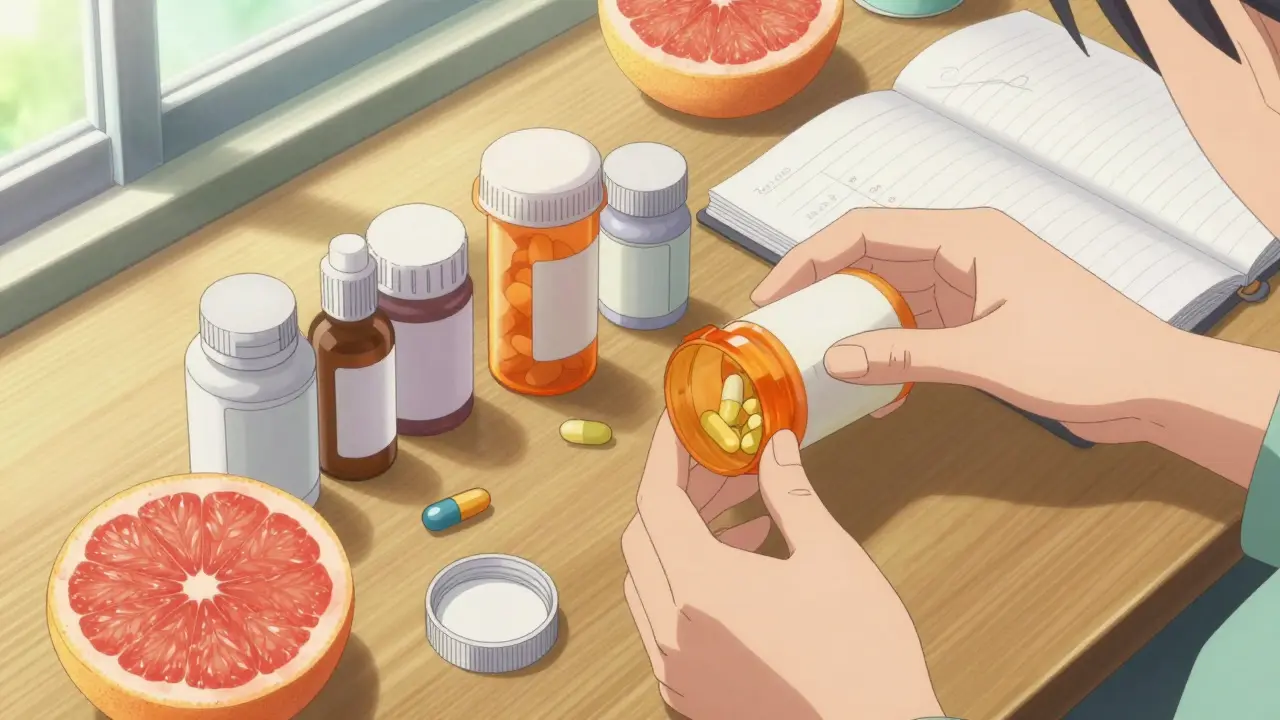
7 Critical Questions to Ask
When your doctor prescribes a new medication, ask these seven questions to cover all interaction risks:
- Will this interact with my other medications, supplements, or vitamins? This includes both prescription and over-the-counter drugs. For example, calcium supplements can block levothyroxine absorption, making thyroid treatment less effective.
- Should I avoid certain foods, beverages, or other products while taking this medication? Grapefruit juice is a well-known offender-it affects over 85 medications, including statins and blood pressure drugs.
- What side effects should I watch for, and which ones require immediate medical attention? Some side effects are normal, but others like severe bleeding or difficulty breathing need urgent care.
- Will this medication interfere with my current medical conditions? For instance, decongestants can raise blood pressure in people with hypertension.
- Can I take this with my other medications? Always clarify if new prescriptions work safely with existing ones.
- What are the advantages of taking this medication over another one for my specific condition? This helps you understand why your doctor chose this option.
- Is there potential for gene-drug interactions based on my genetic makeup? Services like Genominda precision medicine company offering genetic testing for medication metabolism use genetic testing to predict how your body processes medications.
The Role of Pharmacists
Pharmacists are medication safety experts who can catch interactions before they become problems. The American Pharmacists Associationthe national organization representing pharmacists reports 92% of pharmacists perform comprehensive drug interaction screening before dispensing medications. When you pick up your prescription:
- Show your pharmacist your updated medication list
- Ask them to check for interactions with other drugs you take
- Request package inserts for detailed interaction information
Express Scripts Pharmacya major pharmacy benefits manager pharmacists are trained to review prescriptions and contact your doctor immediately if they spot risks. They also provide clear instructions on how to take medications safely.
Real-World Examples of Dangerous Interactions
Ignoring drug interactions can have serious consequences. The FDA documented 12,347 serious adverse events related to drug interactions in 2022 alone. Here are two real cases:
- A 68-year-old patient started ciprofloxacin (an antibiotic) while taking warfarin (a blood thinner). This combination increased bleeding risk, leading to emergency surgery. The Harvard Healtha publication from Harvard Medical School case study highlights how common this interaction is.
- Over-the-counter decongestants like pseudoephedrine raised blood pressure in a hypertensive patient, contributing to 4,200 emergency visits in 2021 according to Express Scripts Pharmacy data.
These examples show why asking about interactions isn't just a good idea-it's essential for your safety.
What to Do If You Discover an Interaction
If you find out a medication has dangerous interactions, act quickly:
- Contact your prescribing doctor immediately to discuss alternatives
- Consult your pharmacist-they can suggest safe substitutions or timing adjustments
- Use tools like WebMD Drug Interaction Checkera publicly available tool updated quarterly that checks interactions between over 24,000 prescription and OTC medications, 4,000 herbal supplements, and 800 foods to verify risks
- Never stop taking prescribed medication without professional advice
The FDA emphasizes that 83% of serious drug interactions could be prevented through better communication. Your healthcare team wants to work with you to find a safe solution.
What if I forget to ask about interactions during my appointment?
Call your pharmacist or doctor's office right away. Pharmacists are available to review your medications even after you've picked up a prescription. They can check for interactions and advise on next steps. It's better to ask later than to risk a dangerous reaction.
Do over-the-counter medications also cause interactions?
Yes. Many people don't realize that common OTC drugs like ibuprofen, antacids, or cold medicines can interact with prescriptions. For example, taking aspirin with blood thinners increases bleeding risk. Always include OTC meds in your medication list and discuss them with your healthcare provider.
How often should I review my medication list?
Review your list every time you see a new healthcare provider or get a new prescription. Also, check it every six months. Changes in health, age, or new medications can create new interaction risks. Your pharmacist can help during routine medication reviews.
Can supplements like vitamins interact with prescriptions?
Absolutely. For instance, vitamin K can reduce the effectiveness of blood thinners like warfarin. Even common supplements like St. John's Wort can interfere with antidepressants, birth control, and many other medications. Always disclose all supplements you take to your doctor and pharmacist.
What if I have questions after hours?
Most pharmacies have after-hours phone lines for medication questions. You can also use trusted resources like the FDA website or WebMD Drug Interaction Checker for immediate information. However, for urgent concerns, contact emergency services or visit an urgent care center.





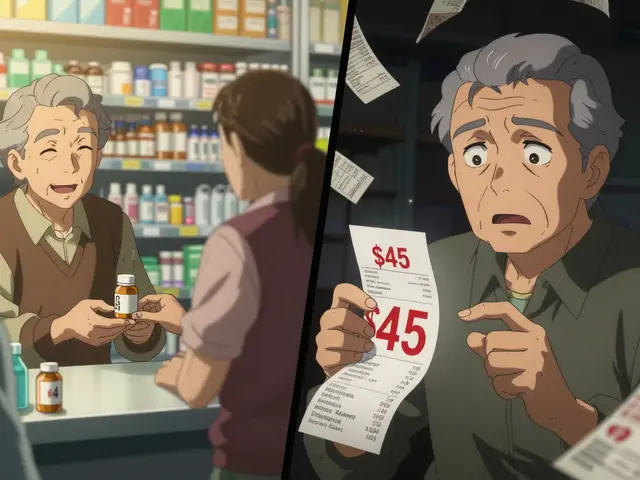
Okay, let's talk about drug interactions because, honestly, this is something we all need to know.
I used to think it was just common sense to ask about interactions, but then I saw a friend of mine end up in the hospital because of a simple mix-up between his blood pressure meds and a common OTC painkiller.
It's scary how easy it is to overlook something like that. The FDA's stats are no joke-over a million ER visits a year due to medication errors. That's insane.
I mean, how many of us actually sit down and list all the medications we take? Like, I have a little notebook in my wallet with everything-prescriptions, vitamins, even that herbal tea I drink.
And I always bring the actual pill bottles to appointments. Why? Because 'I think it's a blue pill' doesn't cut it when the pharmacist's like 'Dude, that's not even the right drug.'
I've had pharmacists catch interactions I didn't even know existed. Like, my doctor prescribed me a new antibiotic, and the pharmacist said 'Wait, you're also taking warfarin?' That interaction could have been dangerous.
So, yeah, it's not rocket science, but it's crucial. Always ask about food interactions too-grapefruit juice is notorious for messing with statins.
And supplements? Yeah, St. John's Wort can mess with birth control. So, next time you get a new prescription, don't just take it and go.
Sit down with your pharmacist. Ask the questions. Take notes. It's a small effort that could save your life. Seriously, do it. Your future self will thank you.